


U.S. Ammunition Stockpiles Under Pressure from Global Conflicts
The Pentagon is grappling with dwindling ammunition stockpiles as ongoing support to Ukraine and new Middle East operations drain critical supplies. Public and internal reviews have been launched to assess the situation.
Why the Pause on Ukraine Shipments?
In late 2025, the Pentagon temporarily halted shipments of critical munitions—including Patriot interceptors, AIM-7 Sparrow missiles, and precision artillery rounds—to Ukraine. The move followed a stockpile review conducted by DoD policy chief Elbridge Colby and was aimed at safeguarding U.S. readiness amid competing global demands.
The Scope of the Shortage
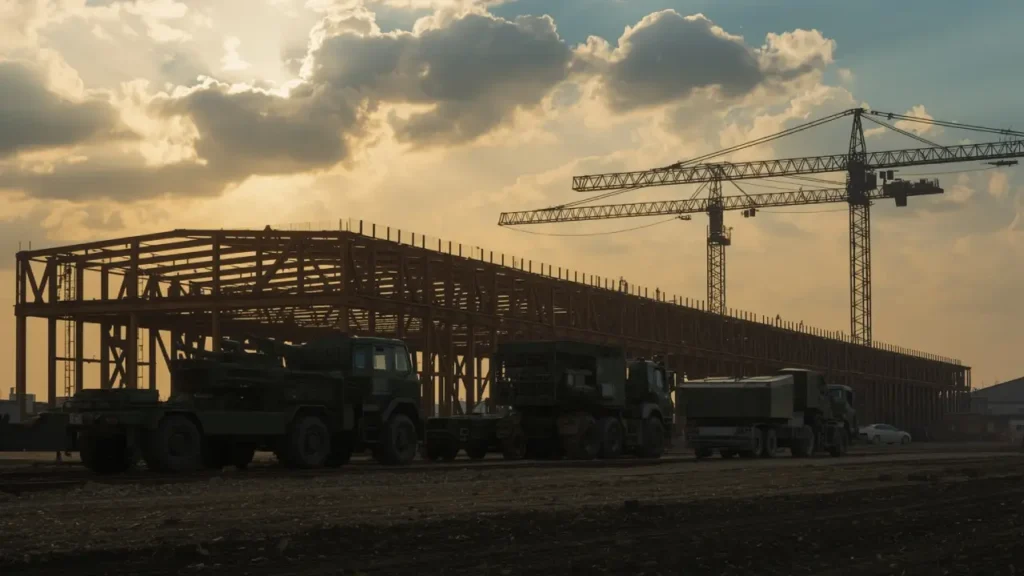
Analysts point to high demand, notably for air defense systems. The U.S. now holds only about 25% of the Patriot interceptor stockpile needed for global commitments, prompting alarm. A simulated conflict with China exposed that most anti-ship and land-attack missiles could be expended within a week.
Slow Industrial Base Recovery
Despite increased defense budgets, only ~17% of the $850 billion budget targets weapons procurement—a bottleneck given the high tempo of conflict and the shrinking industrial ecosystem since the Cold War.
Production Ramp-Up Underway
To address supply gaps, the Army and defense contractors are boosting capacity. Artillery shell production has tripled—from ~14,500 to ~40,000 rounds monthly—with aspirations to reach 100,000 rounds per month by early 2026.
In the realm of air defense, manufacturers like Lockheed Martin, Raytheon, and Boeing are pressing forward. The U.S. plans to increase PAC-3 MSE Patriot interceptor production from 350 to over 600 units this year, with a projection of 1,130 by 2027.
Congressional Backing and Strategic Shifts
A recent $150 billion reconciliation package proposes significant backing to replenish munitions and modernize the industrial base.
The Army is also transforming its internal structure—integrating AI, additive manufacturing, and robotics to establish agile, resilient munitions supply chains with full capability by 2028.
Strategic Implications and Analysis
Strategic Context: U.S. global military support, from Ukraine to the Middle East, underscores the strategic risks of under-preparedness. Long-term adversaries like China pose even greater demands—with industrial capacity outpacing U.S. productions by massive margins .
Key Takeaway: The U.S. must not only restore stockpiles but also sustain production agility. Budget allocations and industrial modernization must be enduring investments, not temporary fixes.
FAQs
A review revealed dangerously low U.S. stockpiles of key munitions like Patriot interceptors and precision rounds, prompting a temporary halt to preserve readiness amid competing global demands
Artillery shell production has risen to ~40,000/month, aiming for 100,000/month by early 2026. Patriot interceptor output is also increasing, slated to nearly triple by 2027.
Not yet. Only 17% of the defense budget is allocated to weapons procurement, limiting the pace of restocking despite growing needs.