Executive Summary:
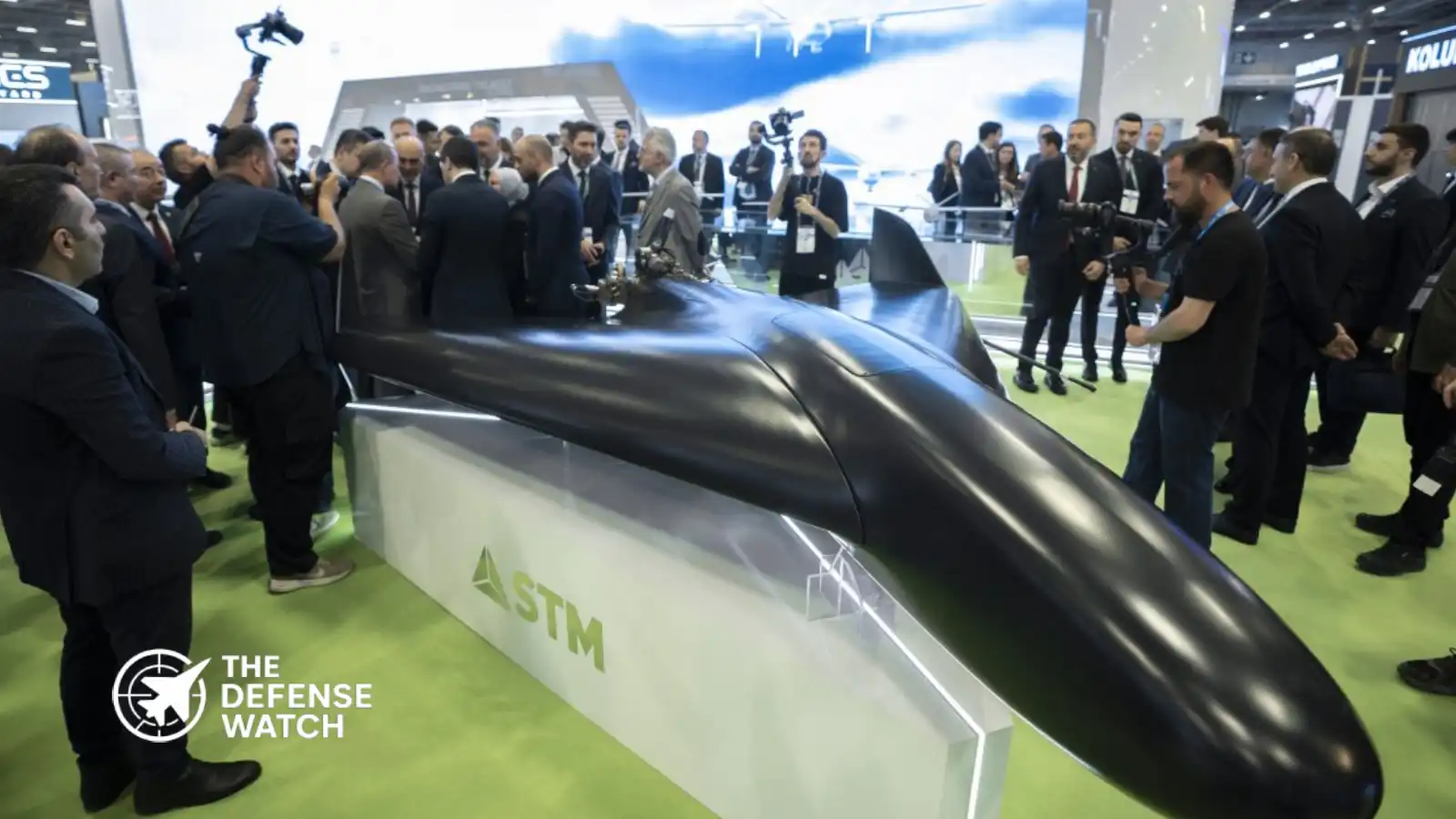
Türkiye has unveiled a new kamikaze drone with a reported range exceeding 1,000 kilometers, marking a major step in its long-range strike capabilities. The system enhances Ankara’s ability to conduct deep precision attacks and reflects a broader shift toward autonomous, cost-effective warfare solutions.
Türkiye Expands Long-Range Strike Capabilities with New UAV
Türkiye has introduced a next-generation loitering munition capable of operating at ranges beyond 1,000 km, placing it among a growing class of long-endurance kamikaze drones designed for strategic strike missions.
The system, revealed in 2026, underscores Ankara’s continued investment in indigenous unmanned systems. Turkish defense firms have steadily expanded their portfolio from tactical UAVs to more advanced platforms capable of penetrating contested environments.
Unlike earlier short-range loitering munitions, this new platform is designed for extended missions, enabling operators to engage high-value targets deep behind enemy lines without relying on manned aircraft.
Key Features and Technical Advantages
Extended Operational Reach
- Range exceeding 1,000 km, significantly higher than most conventional loitering munitions
- Enables deep-strike missions without forward deployment
Precision Strike Capability
- Designed for high-accuracy terminal engagement
- Likely integrates advanced guidance and navigation systems
Cost-Effective Force Multiplier
- Lower cost compared to cruise missiles or manned sorties
- Suitable for attritable warfare concepts
Flexible Deployment
- Potential for ground-based launch systems
- Can be used in swarm or coordinated attack scenarios
Comparison with Existing Systems
System Range Payload Status Key Technology New Turkish Kamikaze Drone 1,000+ km Classified Development/Unveiled Long-range loitering, precision strike IAI Harop (Israel) ~1,000 km ~23 kg Operational Anti-radiation seeker, loitering munition Switchblade 600 (US) ~40 km Light anti-armor Operational Portable loitering strike system Shahed-136 (Iran) ~2,000 km (est.) Explosive warhead Operational Low-cost, long-range strike drone Strategic Implications for Regional Security
Shift Toward Deep Precision Strike
The introduction of a 1,000+ km loitering munition reflects a shift from tactical UAV use toward strategic strike roles, traditionally dominated by cruise missiles.
Enhanced Deterrence Posture
Türkiye’s ability to conduct long-range unmanned strikes strengthens its deterrence across the Middle East, Eastern Mediterranean, and beyond.
Countering Air Defense Systems
Such drones are increasingly used to:
- Saturate air defenses
- Target radar and missile systems
- Conduct persistent surveillance before strike
Influence on Modern Warfare Trends
The system aligns with broader global trends, including:
- Increased reliance on autonomous and semi-autonomous weapons
- Growing use of loitering munitions in conflicts such as Ukraine
- Emphasis on cost-efficient precision strike platforms
Broader Context: Türkiye’s UAV Ecosystem
Türkiye has emerged as a leading exporter of UAV systems, with platforms already deployed in multiple theaters. The development of long-range kamikaze drones complements its existing fleet of armed UAVs and signals a move toward multi-layered unmanned warfare capabilities.
This latest unveiling suggests Ankara aims to compete directly with established loitering munition producers while addressing evolving battlefield demands, particularly in environments where air superiority is contested.
Outlook
As development progresses, key areas to monitor include:
- Integration with network-centric warfare systems
- Potential export interest from allied nations
- Operational deployment timelines
If successfully fielded, the system could redefine Türkiye’s role in long-range unmanned strike operations and further accelerate the global adoption of loitering munitions as strategic weapons.
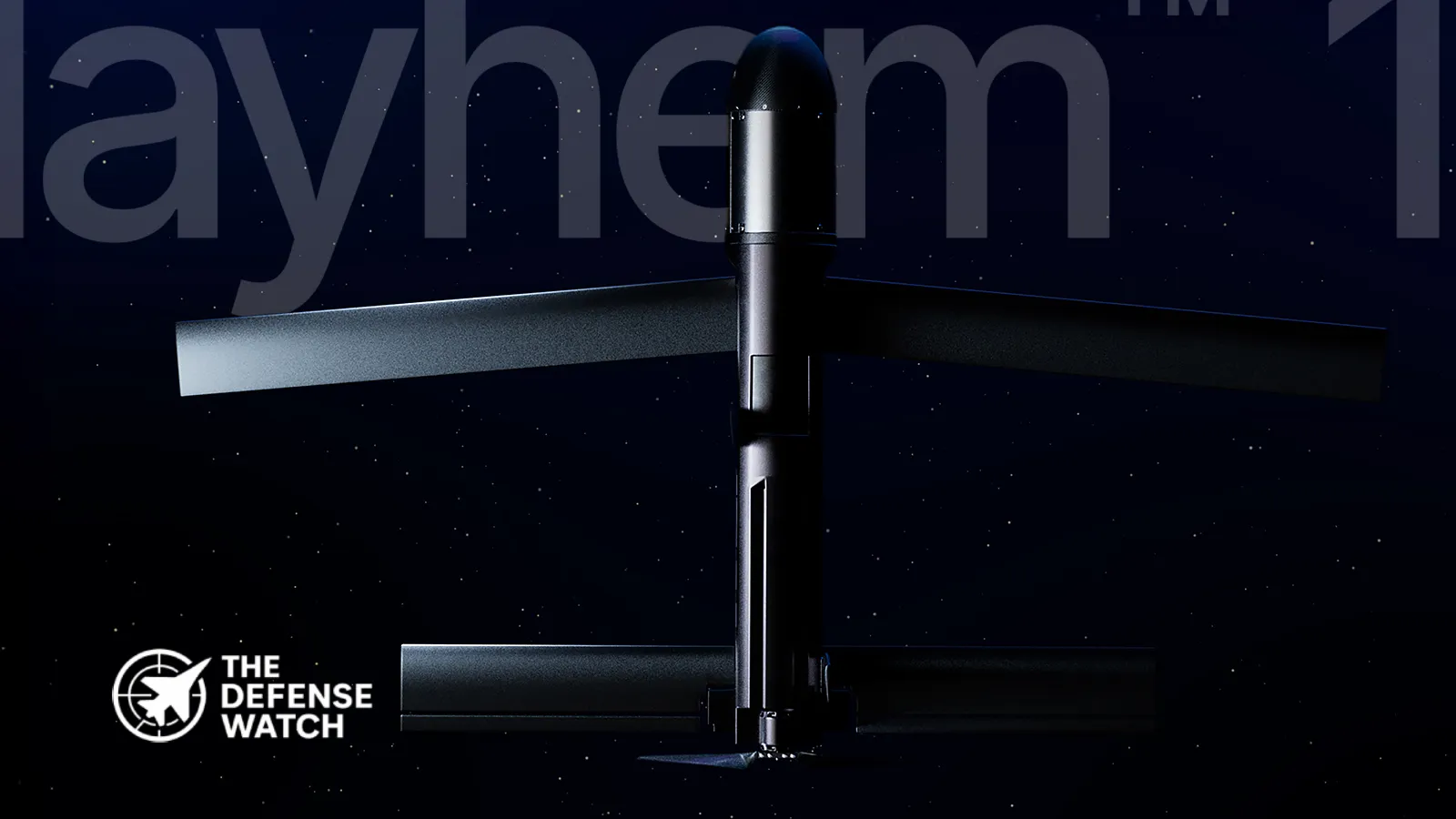
AeroVironment Mayhem 10 Combat Drone Expands U.S. Tactical Reach
The Mayhem 10 combat drone marks a significant step in the evolution of loitering munition systems, combining extended range with modular strike capability. Unveiled by AeroVironment, the platform is designed to meet growing demand for flexible, long range unmanned systems in modern combat environments.
The system can operate at distances of up to 100 kilometers. This places it well beyond the range of many existing tactical loitering munitions, allowing forces to engage targets deeper in contested territory without exposing personnel or high value platforms.
The Mayhem 10 combat drone is built around a modular payload concept. This allows operators to adapt the system for different missions, including precision strikes, surveillance, or specialized payload delivery. The design reflects a broader shift toward multi role unmanned systems that can be rapidly reconfigured in the field.
- AeroVironment unveiled the Mayhem 10 combat drone as a new long range loitering munition system.
- The system offers an operational range of up to 100 kilometers, expanding tactical reach.
- Modular payload architecture allows rapid switching between different strike and mission profiles.
- Designed for contested environments, including anti access and denied areas.
- Reflects growing demand for flexible, scalable unmanned strike capabilities in modern warfare.
Modular Design Signals Shift Toward Flexible Warfare
A key feature of the Mayhem 10 combat drone is its modular architecture. Unlike single purpose loitering munitions, this system can be fitted with different payloads depending on mission requirements.
This flexibility supports a wide range of operational scenarios. Units can deploy the same drone platform for reconnaissance, target acquisition, or direct attack roles. In practice, this reduces logistical burden while increasing battlefield adaptability.
This approach aligns with trends seen across U.S. and allied defense programs. Military planners are increasingly prioritizing systems that can perform multiple functions without requiring separate platforms for each task.
Extended Range Addresses Emerging Battlefield Demands
The 100 kilometer range of the Mayhem 10 combat drone addresses a clear operational gap. Modern conflicts have shown that short range drones are often limited by enemy air defenses and electronic warfare systems.
Longer range systems allow operators to launch from safer distances. They also enable strikes against targets that were previously out of reach for tactical units.
This capability is particularly relevant in contested environments where access is restricted. Anti access and area denial strategies used by near peer adversaries require systems that can operate at extended distances while maintaining effectiveness.
Designed For Contested And Denied Environments
The Mayhem 10 combat drone is intended for use in environments where traditional airpower may face limitations. These include areas with dense air defense networks or strong electronic warfare capabilities.
Loitering munitions offer a different operational model. They can remain in the air for extended periods, identify targets, and strike at the optimal moment. This increases precision and reduces the risk of collateral damage.
The addition of modular payloads further enhances this capability. Operators can tailor the system to specific threats, whether that involves hardened targets, mobile assets, or time sensitive objectives.
Strategic Implications For U.S. And Allied Forces
The introduction of the Mayhem 10 combat drone reflects a broader shift in how militaries approach unmanned systems. Rather than focusing solely on high end platforms, there is increasing emphasis on scalable, cost effective solutions.
Loitering munitions have proven their value in recent conflicts, where they have been used for both tactical strikes and persistent surveillance. The Mayhem 10 builds on this concept by adding range and flexibility.
For U.S. and allied forces, this could enhance operational depth and responsiveness. Units equipped with such systems can conduct missions independently, without relying heavily on larger air assets.
At the same time, the system highlights growing competition in the drone space. As more countries develop similar capabilities, the focus is shifting toward range, adaptability, and resilience against countermeasures.
Industry Context And Future Outlook
AeroVironment has been a key player in the loitering munition sector, with systems like Switchblade already in service with multiple forces. The Mayhem 10 represents a move into a more advanced category of unmanned strike systems.
The emphasis on modularity suggests future upgrades could be integrated without major redesigns. This allows the platform to evolve alongside emerging technologies, including improved sensors, guidance systems, and payload options.
As defense priorities continue to shift toward distributed operations and autonomous systems, platforms like the Mayhem 10 are likely to play a growing role.
- Polish defense company WB Group has partnered with AI developer Applied AGI to integrate artificial intelligence into UAV systems.
- The collaboration focuses on enhancing autonomy, mission planning, and real time battlefield data processing.
- AI integration could significantly improve ISR capabilities and operational efficiency for modern military forces.
- The partnership aligns with growing global investment in autonomous and AI driven defense technologies.
- AI enabled UAV systems are becoming a critical element in modern military reconnaissance and precision operations.
WB Group AI Enabled UAV Development Signals Growing Role Of Artificial Intelligence In Military Drones
The WB Group AI enabled UAV initiative marks a new step in the integration of artificial intelligence into unmanned aerial systems. Polish defense manufacturer WB Group has partnered with technology firm Applied AGI to develop AI powered capabilities designed to enhance autonomy, mission effectiveness, and data analysis for military drone operations.
The collaboration reflects a broader shift across the defense sector toward advanced software driven systems capable of operating in complex battlefield environments with minimal human intervention.
The Big Picture
Artificial intelligence has rapidly emerged as a core technology in modern military modernization programs. Armed forces across NATO and other allied nations are investing heavily in AI driven systems that can process large volumes of sensor data, support faster decision making, and improve operational efficiency.
Unmanned aerial systems are particularly suited to this transformation. Drones generate large amounts of surveillance and reconnaissance data during missions, often overwhelming human operators. AI powered tools can automate much of this analysis while enabling faster identification of targets, threats, or patterns of activity.
For European defense companies such as WB Group, integrating AI into drone platforms also supports NATO efforts to strengthen technological competitiveness and operational readiness.
What Is Happening
WB Group and Applied AGI announced a partnership focused on integrating artificial intelligence into unmanned aerial systems and related defense technologies.
WB Group is a well established Polish defense manufacturer known for developing advanced unmanned systems, communications equipment, and battlefield management technologies. Its drone portfolio includes the widely deployed Warmate loitering munition and the FlyEye reconnaissance UAV.
Applied AGI specializes in advanced artificial intelligence software designed to support autonomous decision making and complex data analysis.
The collaboration aims to combine WB Group’s experience in UAV design and operational deployment with Applied AGI’s AI expertise to create next generation drone capabilities.
The partners intend to develop software solutions that can improve:
Autonomous flight control
Mission planning and task execution
Real time intelligence processing
Sensor data analysis
These capabilities could allow UAV systems to perform missions with reduced operator workload while increasing the speed and accuracy of battlefield information processing.
Why It Matters
Artificial intelligence is transforming how militaries operate unmanned systems.
Traditional drones rely heavily on human operators to analyze sensor feeds, identify targets, and make tactical decisions. This approach limits the number of systems that operators can control simultaneously and slows the flow of intelligence to commanders.
AI enabled UAV systems can partially automate these tasks. Machine learning algorithms can detect objects, track targets, and identify unusual patterns across video feeds and sensor data.
This capability becomes especially valuable during high intensity operations where speed and situational awareness are critical.
The WB Group Applied AGI partnership also highlights the growing importance of software in modern defense technology. Hardware platforms such as drones are increasingly defined by the software systems that control them.
Strategic Implications
The development of AI driven UAV capabilities could strengthen operational effectiveness for militaries using WB Group platforms.
Autonomous functions can improve mission endurance and allow smaller teams to control larger drone fleets. This capability is particularly relevant for reconnaissance missions, border surveillance, and precision strike operations.
For NATO members and partner countries, enhanced drone autonomy may support distributed operations where forces operate across multiple locations while maintaining situational awareness.
AI enabled systems can also improve resilience in contested environments. Automated data processing allows operators to focus on strategic decisions rather than routine analysis tasks.
The partnership also reflects a broader trend among European defense firms seeking to expand their software capabilities in response to evolving battlefield requirements.
Competitor View
Major military powers are closely monitoring developments in AI powered military systems.
China has invested heavily in autonomous drone technologies and swarm capabilities as part of its military modernization strategy. Russia has also explored AI integration in unmanned systems, particularly in reconnaissance and loitering munition roles.
The United States continues to advance artificial intelligence initiatives through programs supported by the US Department of Defense and the Defense Advanced Research Projects Agency (DARPA).
European defense firms therefore face increasing pressure to develop competitive AI capabilities. Partnerships between hardware manufacturers and AI specialists offer one path to accelerate innovation.
What To Watch Next
Several milestones will determine the long term impact of the WB Group AI enabled UAV effort.
The first key step will involve integrating Applied AGI software into operational drone platforms. This stage typically requires extensive testing to validate reliability and mission performance.
Future development phases may include:
AI assisted target recognition
Autonomous mission coordination
Advanced swarm control technologies
Improved sensor fusion capabilities
Successful integration could lead to upgrades for existing WB Group systems as well as entirely new UAV platforms designed around AI driven operations.
Capability Gap
Modern battlefields produce vast amounts of data from sensors, surveillance systems, and unmanned platforms.
Human operators alone cannot analyze all this information in real time. This gap creates delays in intelligence processing and decision making.
AI enabled UAV systems aim to close this gap by automating data analysis and improving information flow between drones and command centers.
However, AI systems still face limitations. They require large training datasets and must operate reliably in complex environments where sensor inputs may be degraded by electronic warfare or weather conditions.
Ensuring secure and trustworthy AI decision making will remain a key challenge for defense developers.
The Bottom Line
The WB Group AI enabled UAV partnership with Applied AGI highlights how artificial intelligence is becoming a central driver of next generation military drone capabilities.