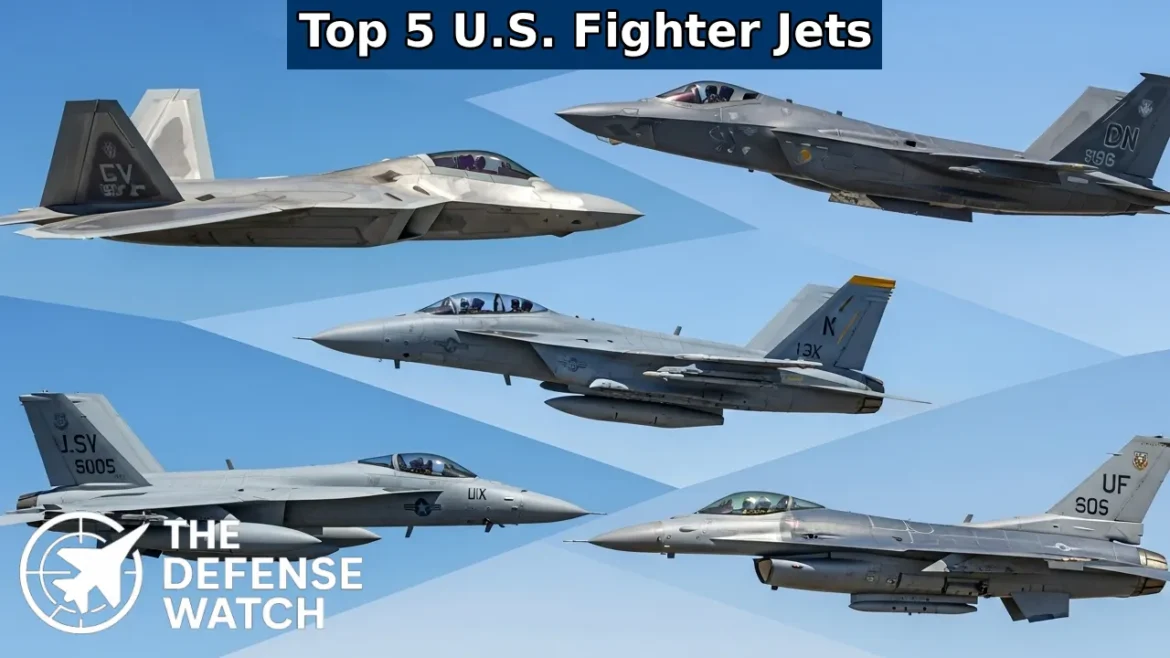
The Top 5 U.S. fighter jets represent the cutting edge of American airpower, combining stealth, advanced sensors, superior weapons, and unmatched operational experience. As the backbone of U.S. air dominance, these jets reflect decades of technological innovation, defense investment, and combat requirements. Together, they ensure the United States maintains a decisive advantage in both contested and permissive airspace.
This article examines the United States’ leading fighter aircraft, their roles, capabilities, and strategic importance, providing a clear picture of why they remain the world’s benchmark for air combat performance.
The Top 5 U.S. Fighter Jets in Service Today
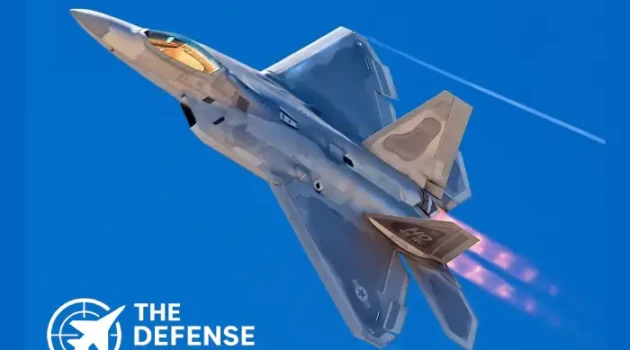
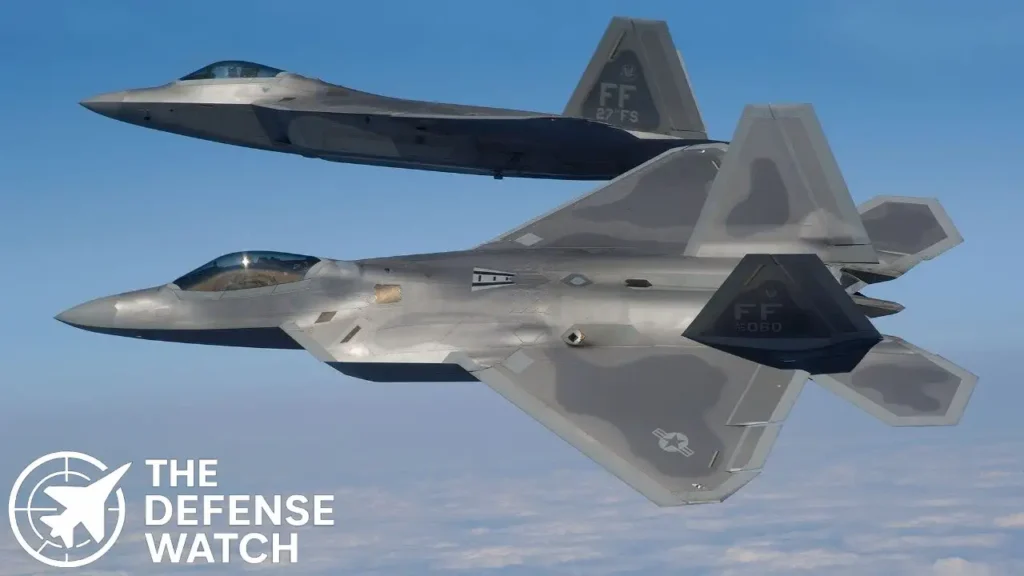
1. F-22 Raptor — America’s Premier Air-Dominance Stealth Fighter
The F-22 Raptor remains the world’s most capable air-superiority fighter. Designed for unmatched stealth, supercruise, and aerial agility, it delivers decisive first-look, first-shot, first-kill capability. Despite production ending in 2012, the Raptor continues to anchor high-end air dominance missions.
Key Features:
- Stealth + supercruise (Mach 1.8 without afterburner)
- Advanced AESA radar and sensor fusion
- Unmatched dogfighting performance
- Primary role: air superiority and offensive counter-air
Strategic Importance:
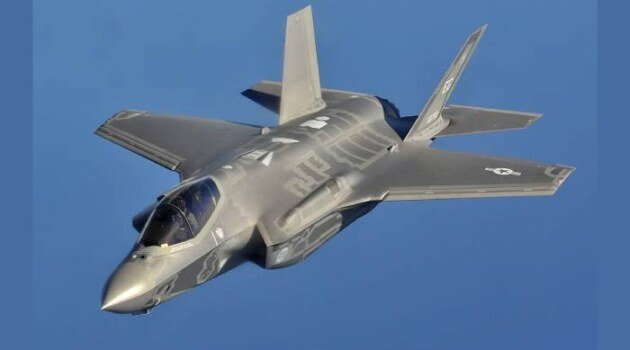
Essential for high-threat environments against near-peer adversaries like China and Russia.2. F-35A Lightning II — The U.S. Air Force’s Stealth Multirole Backbone
The F-35A is the most widely deployed fifth-generation fighter and the backbone of future U.S. tactical aviation. Its stealth, electronic warfare suite, and sensor fusion allow it to penetrate contested airspace, conduct precision strikes, and serve as an intelligence node.
Key Features:
- Stealth multirole design
- High survivability in denied environments
- Advanced networking, targeting sensors
- Continuous upgrades through Block 4
Strategic Importance:
The F-35A’s versatility, production scale, and global interoperability make it the cornerstone of U.S. and allied airpower.3. F-15EX Eagle II — The Heavyweight Missile Truck
The F-15EX Eagle II represents the modernized evolution of the legendary F-15 lineage. With expanded payload capacity and advanced avionics, it serves as a “missile truck” capable of launching long-range weapons, providing air dominance and deep-strike support.
Key Features:
- Carries up to 22 air-to-air missiles
- Latest fly-by-wire controls and advanced cockpit
- Open mission system for rapid upgrades
- High speed and altitude performance
Strategic Importance:
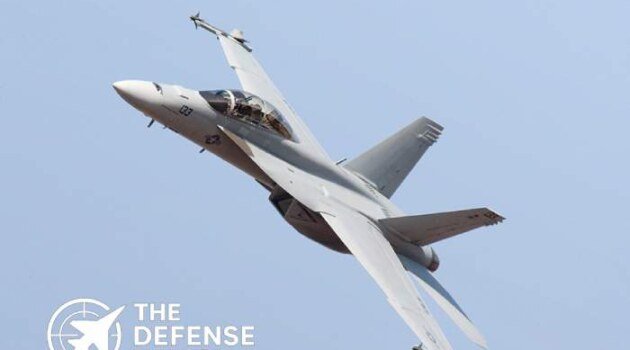
Complements stealth aircraft by delivering massed firepower from standoff range.4. F/A-18E/F Super Hornet — Carrier-Based Multirole Workhorse
The Super Hornet remains the primary U.S. Navy fighter, performing air-to-air combat, strike missions, and maritime interdiction. Its reliability and versatility make it a cornerstone of carrier air wings.
Key Features:
- Carrier-capable multirole platform
- APG-79 AESA radar
- Proven combat record
- Excellent maintainability at sea
Strategic Importance:
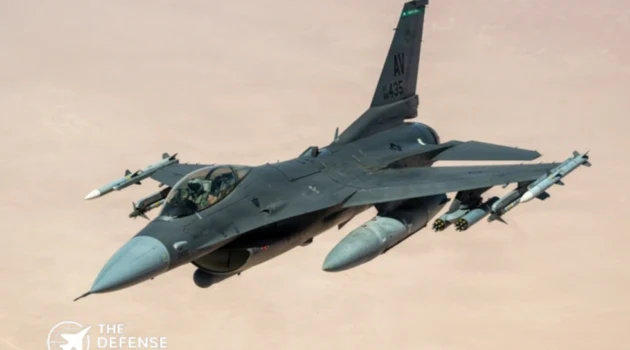
The only U.S. fighter qualified across all Navy carriers, ensuring continuous maritime airpower projection.5. F-16C/D Fighting Falcon — The USAF’s Combat-Proven Multirole Jet
The F-16 Fighting Falcon continues to serve as one of the most flexible airframes in U.S. inventory. Decades of upgrades—including modern radars, datalinks, and targeting systems—keep it relevant in modern air combat.
Key Features:
- Lightweight, agile design
- APG-83 AESA radar on many upgraded units
- Low operating cost
- Vast weapons compatibility
Strategic Importance:
Though aging, its global popularity and modernization programs ensure it remains integral for homeland defense, air policing, and secondary strike missions.How These Jets Shape U.S. Airpower
Each aircraft fills a different role within the U.S. airpower ecosystem:
- F-22 dominates high-threat airspace.
- F-35A penetrates defenses and conducts precision strikes.
- F-15EX provides standoff firepower and air dominance support.
- F/A-18E/F anchors naval aviation operations.
- F-16 provides flexible, cost-effective multirole capability.
This layered approach ensures the United States maintains superiority across air, land, and maritime theaters.
Additional Context: Modernization Trends
Recent modernization trends reflect shifting strategic priorities:
- Expansion of NGAD (Next-Generation Air Dominance) for sixth-generation capabilities
- Upgrades to F-35 Block 4 and open architecture
- Standoff weapons integration on the F-15EX
- Improved EW systems for F-22 and F/A-18E/F
- Continued service-life extensions for F-16
The U.S. fighter fleet is evolving to face high-end threats from China’s PLA Air Force, Russia, and emerging long-range missile threats.
Analysis: The Future of American Fighter Airpower
The United States is shifting toward a hybrid model of stealth dominance and high-capacity fighter support. While fifth-generation platforms like the F-22 and F-35 ensure survivability, aircraft such as the F-15EX and Super Hornet deliver payload mass and mission endurance.
Key insights:
- The U.S. remains the only nation with two operational fifth-generation fighter lines.
- F-35 production scale will define global airpower for decades.
- Carrier aviation remains central to Indo-Pacific strategy.
- The U.S. requires both stealth platforms and high-capacity 4.5-generation fighters for large-scale conflict scenarios.
Future developments—including NGAD, Collaborative Combat Aircraft (CCAs), and advanced EW—will further transform how U.S. fighter jets operate.
FAQs
What is the most advanced U.S. fighter jet today?The F-22 Raptor is widely regarded as the most advanced U.S. air-dominance fighter.
Which U.S. fighter jet is used by the most countries?The F-16 Fighting Falcon, operated by more than 25 nations worldwide.
What is the newest U.S. fighter jet in production?The F-15EX and the F-35A Block 4 are the most recent major production upgrades.
Which U.S. fighter jet carries the most weapons?The F-15EX can carry up to 22 air-to-air missiles, the highest of any U.S. fighter.
What jet will replace the F-22?The NGAD program is expected to produce America’s next air-dominance fighter by the 2030s.

The Birth of Stealth: F-117 Nighthawk
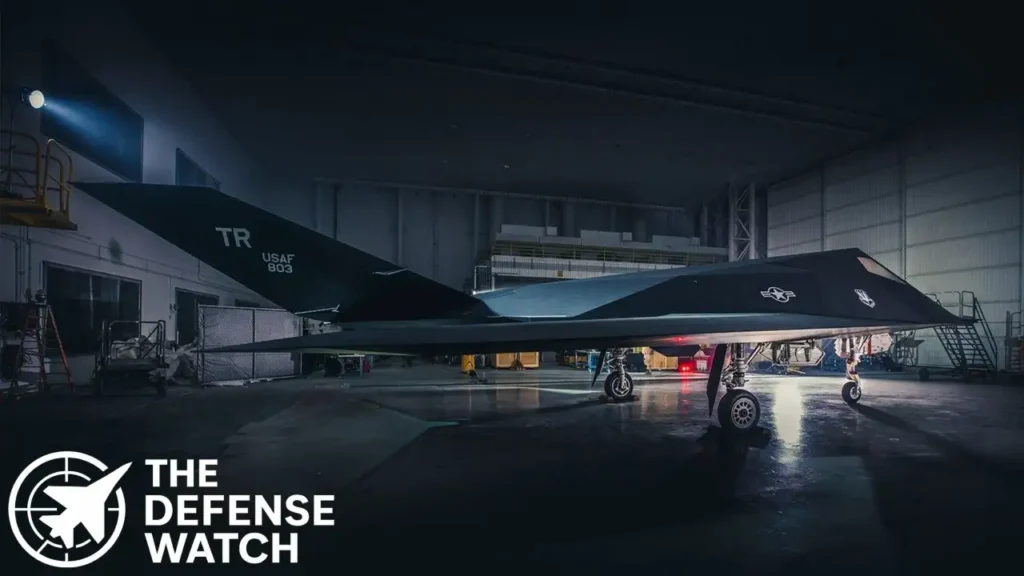
The United States fundamentally changed the character of aerial warfare with the introduction of the Lockheed F-117 Nighthawk in the 1980s. Developed under the highly secretive “Have Blue” program, the F-117 became the world’s first operational stealth aircraft, optimized to evade radar detection through faceted design and radar-absorbent coatings.

Image courtesy of lockheedmartin.com Although not a traditional fighter in terms of agility or speed, the F-117 was a precision strike aircraft. Its combat debut in Operation Just Cause (1989) and later prominence in Operation Desert Storm (1991) cemented its reputation. The aircraft’s ability to penetrate dense air defenses and deliver guided munitions on high-value targets demonstrated the transformative power of stealth.
Next Generation Superiority: F-22 Raptor
While the F-117 proved stealth’s utility, the Pentagon envisioned an aircraft combining radar evasion with air dominance. This vision led to the Lockheed Martin F-22 Raptor, which entered service in 2005.
The F-22 introduced a blend of stealth, supercruise, sensor fusion, and unmatched maneuverability. Designed to counter advanced Soviet fighters and integrated air defense systems, the Raptor became the U.S. Air Force’s premier fifth-generation air superiority platform.
Image courtesy of lockheedmartin.com Despite its technological edge, the F-22 program was curtailed after only 187 aircraft were produced, largely due to high costs and the shifting defense priorities following the Cold War. Nonetheless, the F-22 remains a cornerstone of U.S. airpower, often deployed as a deterrent in contested regions.
Global Backbone of Stealth: F-35 Lightning II
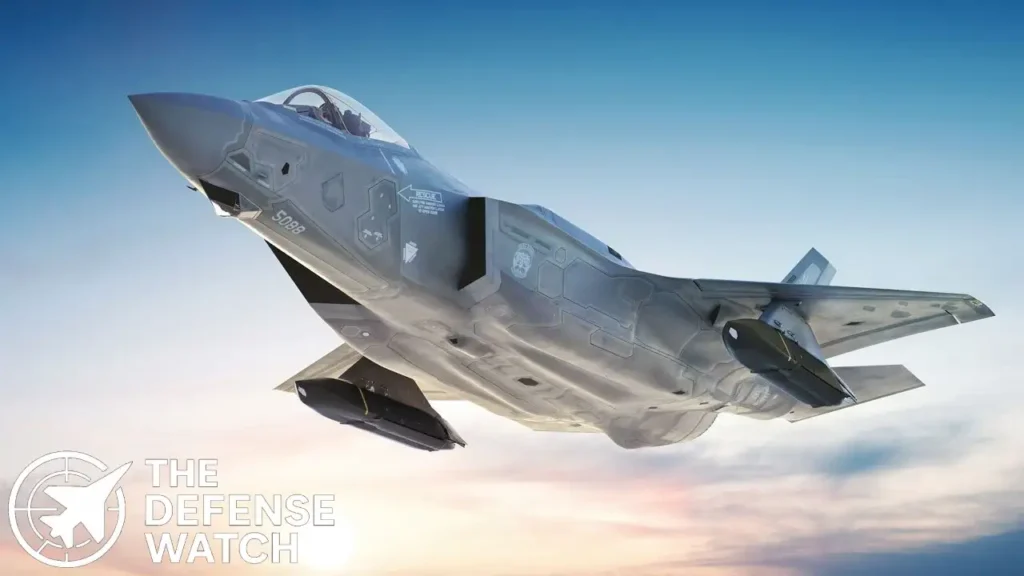
The third stage in U.S. stealth fighter evolution came with the F-35 Lightning II, introduced in 2015. Unlike the niche-focused F-117 and the air-superiority-centric F-22, the F-35 was designed as a multirole stealth fighter adaptable across the Air Force, Navy, and Marine Corps.
The F-35’s variants—F-35A (conventional takeoff), F-35B (short takeoff/vertical landing), and F-35C (carrier-based)—allow joint and allied forces to operate with a common platform. With advanced sensors, networked warfare capability, and stealth design, the F-35 has been exported widely to NATO and partner nations, shaping coalition airpower.
Image courtesy of lockheedmartin.com The program, though criticized for cost overruns and development delays, has matured into a global enterprise. Today, over 1,200 F-35s are in service worldwide, giving the United States and its allies a formidable technological edge.
Emerging Threats and the Next Chapter
As rivals such as China and Russia field their own stealth aircraft—the Chengdu J-20 and Sukhoi Su-57—the U.S. is already advancing its next-generation air dominance (NGAD) program. The NGAD initiative envisions a sixth-generation fighter with enhanced stealth, adaptive engines, directed-energy weapons, and unmanned teaming.
Analysts believe the NGAD will eventually complement or replace the F-22, while the F-35 remains in production through the 2030s. This layered approach ensures the U.S. maintains an air dominance edge amid growing global competition.
Analysis: From Prototype to Global Standard
The evolution from the faceted F-117 to the sensor-driven F-35 reflects the changing demands of warfare. Where stealth once meant survival against radar, it now enables data-driven, multi-domain operations. Each generation of U.S. stealth fighter has built upon the lessons of its predecessor—moving from niche strike missions, to air dominance, to coalition-wide multirole flexibility.
This progression underscores why U.S. stealth technology remains central to deterrence strategies. While adversaries invest in counter-stealth radar and integrated air defenses, the adaptability and networking capabilities of U.S. platforms have so far kept them ahead in the airpower race.
FAQs
Why was the F-117 retired early?The F-117 was retired in 2008 due to high operating costs and the arrival of more versatile stealth aircraft like the F-22 and F-35.
What makes the F-22 unique compared to the F-35?The F-22 excels in air superiority with unmatched maneuverability, while the F-35 is a multirole platform with advanced sensors and broader mission flexibility.
How many F-35s are in service today?As of 2025, more than 1,200 F-35s are in service worldwide across U.S. and allied air forces.
What is the Next Generation Air Dominance (NGAD) program?NGAD is the U.S. Air Force’s effort to develop a sixth-generation stealth fighter designed for future contested airspaces.
Rafale Fighter Jet Capabilities: A Deep Dive
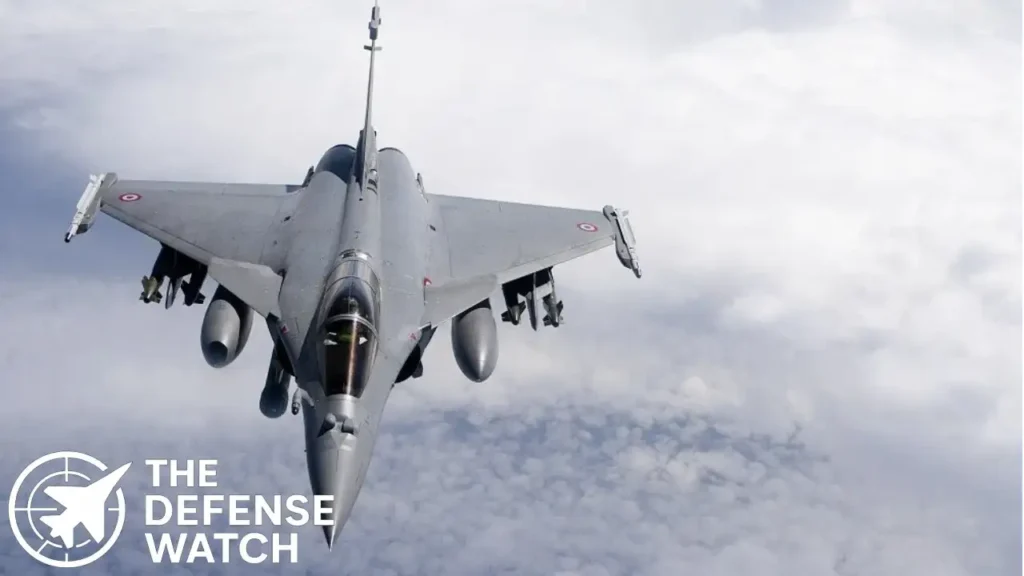
The Dassault Rafale, often referred to simply as the Rafale jet, is one of the most advanced multirole fighter aircraft in service today. Designed and built by France’s Dassault Aviation, the Rafale has become a symbol of French aerospace innovation and defense autonomy.
As a “omnirole” fighter, the Rafale is capable of performing air superiority, ground attack, reconnaissance, and nuclear deterrence missions within a single sortie. The aircraft is currently operated by the French Air and Space Force and the French Navy, with exports to India, Egypt, Greece, Croatia, and the United Arab Emirates strengthening its global footprint.
With increasing international attention on advanced combat aircraft, defense observers frequently compare the Rafale’s capabilities to those of leading U.S. fighters such as the F-16 Fighting Falcon, F/A-18 Super Hornet, and even the fifth-generation F-35 Lightning II.
What is the Rafale?
The Rafale is a twin-engine, delta-wing, multirole fighter equipped with advanced avionics, sensor fusion, and fly-by-wire controls. Developed to replace a diverse mix of French legacy aircraft, it was designed to handle all mission types without relying on a broad fleet mix.
Key specifications include:
- Engines: Two Snecma M88 turbofans
- Maximum speed: Mach 1.8
- Combat range: Over 1,800 km with external fuel tanks
- Armament: 30mm GIAT cannon, 14 hardpoints for air-to-air and air-to-ground munitions
- Weapons compatibility: Meteor beyond-visual-range missiles, SCALP cruise missiles, AM39 Exocet anti-ship missiles, and nuclear-capable ASMP-A
This versatility makes the Rafale especially appealing to air forces seeking independence from U.S. or Russian fighter procurement lines.
Rafale Fighter Jet vs. U.S. Aircraft
When compared to American platforms, the Rafale occupies an intermediate position between fourth-generation and fifth-generation fighters.
- Against the F-16: The Rafale offers superior avionics, sensor integration, and weapons load, but the F-16 remains cheaper and more widely available.
- Against the F/A-18 Super Hornet: Both aircraft share carrier-operating capabilities, though the Rafale’s advanced missiles and electronic warfare suite give it an edge.
- Against the F-35 Lightning II: The Rafale lacks stealth, but it is combat-proven, less dependent on software-driven logistics, and fully sovereign in production—an advantage for export customers wary of foreign restrictions.
France also emphasizes the Rafale’s interoperability with NATO allies, although the U.S. maintains a clear technological lead in stealth and network-centric warfare capabilities.
Operational Record
The Rafale has been combat-proven in Afghanistan, Libya, Mali, Iraq, and Syria, where it conducted precision strikes, close air support, and intelligence missions. Its reliability and flexibility in expeditionary operations have bolstered its reputation as a highly dependable aircraft.
Export customers such as India, which ordered 36 Rafales under a $9.4 billion deal, view the aircraft as a strategic asset in countering regional threats. In the Middle East, UAE and Egyptian acquisitions further highlight the Rafale’s growing role in reshaping regional airpower balances.
Analysis: The Rafale’s Strategic Value
The Rafale’s greatest strength lies in its balance between technology, sovereignty, and versatility. Unlike U.S. fighters, which often involve restrictions on weapons integration and mission software, the Rafale offers customers full operational independence.
For countries outside the NATO sphere, this independence is crucial. Nations like India and the UAE see the Rafale as a way to diversify defense procurement and avoid overdependence on U.S. or Russian suppliers.
At the same time, the Rafale cannot entirely match the fifth-generation advantages of stealth aircraft like the F-35 or F-22. Its survivability against advanced integrated air defense systems (IADS) may be more limited, though France continues to upgrade the jet with new sensors, radar, and weaponry to maintain competitiveness.
FAQs
What is the Rafale fighter jet?The Rafale is a French twin-engine multirole fighter jet developed by Dassault Aviation, capable of air-to-air, air-to-ground, and reconnaissance missions.
How does the Rafale compare to U.S. fighter jets?The Rafale offers advanced avionics and weapons versatility, outperforming older U.S. fighters like the F-16, but falls short of the stealth advantages of the F-35.
Which countries operate the Rafale jet?France, India, Egypt, Greece, Croatia, and the United Arab Emirates currently operate or have ordered the Rafale.
What weapons can the Rafale carry?It can carry Meteor air-to-air missiles, SCALP cruise missiles, AM39 Exocet anti-ship missiles, precision-guided bombs, and nuclear-capable ASMP-A.
Is the Rafale considered a fifth-generation fighter?No, the Rafale is classified as a 4.5-generation fighter, bridging the gap between fourth-generation and fifth-generation aircraft.
Operation ‘Midnight Hammer’: First Combat Use of GBU-57 “Bunker Buster”
In an unprecedented move, the United States executed a precision airstrike—codenamed Operation Midnight Hammer—targeting Iran’s nuclear facilities in Fordow, Natanz, and Isfahan on June 22, 2025. The operation marked the first combat deployment of the Massive Ordnance Penetrator (MOP), known as the GBU-57/B—America’s most potent non-nuclear bunker-buster.
B-2 Bombers at the Core of the Strike
Seven stealthy B-2 Spirit bombers, flying from Whiteman Air Force Base with multiple aerial refuelings, carried and deployed 14 GBU-57s, each weighing approximately 30,000 pounds (13.6 metric tonnes), designed to penetrate deep into hardened underground structures before detonating. The mission also represented the longest B-2 sortie since Operation Allied Force in 2001.
GBU-57: A Precision Penetrator
Engineered for deep penetration, the GBU-57 is a guided bomb featuring a hardened steel casing, GPS/INS tail-kit, and a smart Large Penetrator Smart Fuse (LPSF) capable of detecting underground structures and optimizing detonation timing. Analysts estimate the MOP can penetrate up to 200 feet (61 meters) of earth or roughly 18 feet (5.5 meters) of reinforced concrete with a standard compressive strength of 5,000 psi.
Damage Assessment and Strategic Implications
U.S. officials, including Defense Secretary Pete Hegseth and Joint Chiefs Chair Gen. Dan Caine, described the mission as a “spectacular military success”, with initial battle assessments indicating “extremely severe damage” to all three targeted sites. Nonetheless, intelligence advisers caution that Iran may still retain nuclear capabilities or relocate enrichment infrastructure, preserving potential for reconstitution.
Contextual Analysis
Technological Leap in Conventional Warfare
The combat debut of GBU-57 underscores a significant capability leap in U.S. conventional arms, delivering non-nuclear overwhelm to deeply sheltered targets. It reflects evolving demands for deep-strike solutions in modern high-threat environments.
Geopolitical Reverberations
Strategically, Operation Midnight Hammer amplifies U.S. engagement in the broader Middle East security architecture. It potentially moderates Iran’s nuclear ambitions—but may also stall diplomatic progress and escalate tensions regionally, especially amid fears of retaliation.
FAQs
What is the GBU-57 MOP, and how is it different from earlier bunker busters?The GBU-57 (“Massive Ordnance Penetrator”) weighs ~30,000 lb, significantly more powerful than earlier bombs like the 5,000-lb GBU-28. It features advanced guidance and a smart fuse to penetrate deep reinforced structures before detonation.
Can GBU-57 actually destroy deeply buried sites like Fordow?U.S. officials report penetration of up to ~200 feet of earth or ~18 feet of concrete. However, some analysts argue Iran’s depth and fortified geology could reduce its effectiveness.
Why are only B-2 (and future B-21) bombers used to deploy the GBU-57?The weapon’s enormous size and weight mean only the B-2 Spirit (and upcoming B-21 Raider) can carry it internally to preserve stealth. Tests with B-52s occurred, but field adaptation remains limited.
What does this mean for U.S.–Iran diplomacy?While the strike significantly damages Iran’s nuclear infrastructure, diplomatic prospects may be hindered. Iran could still rebuild nuclear capabilities, potentially within months.