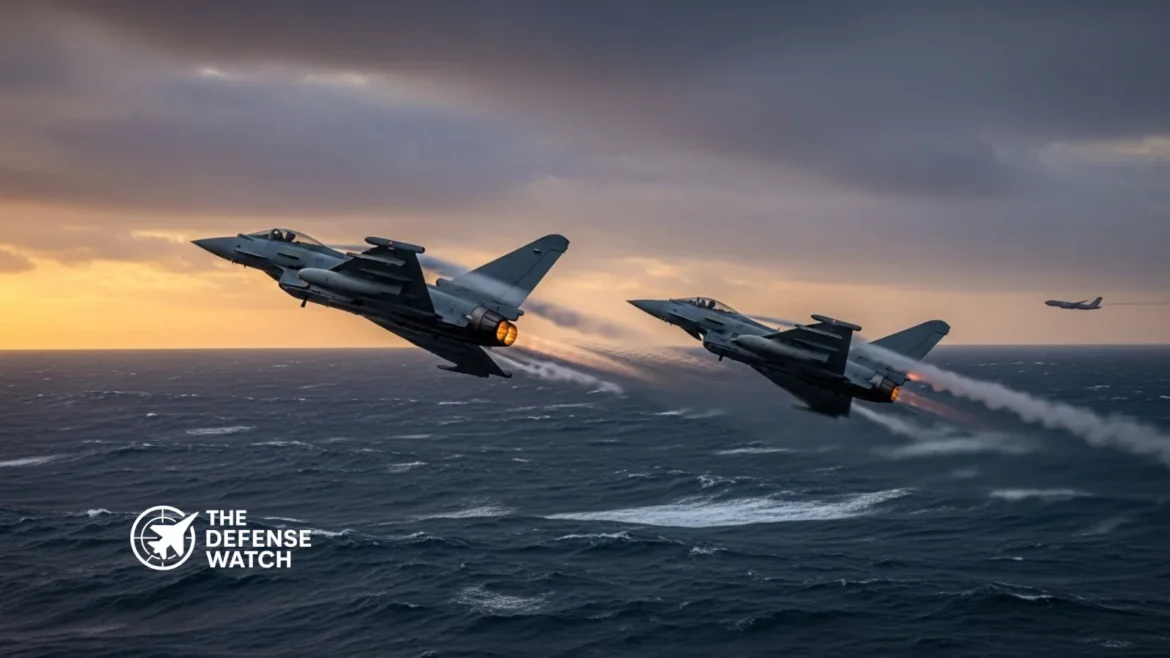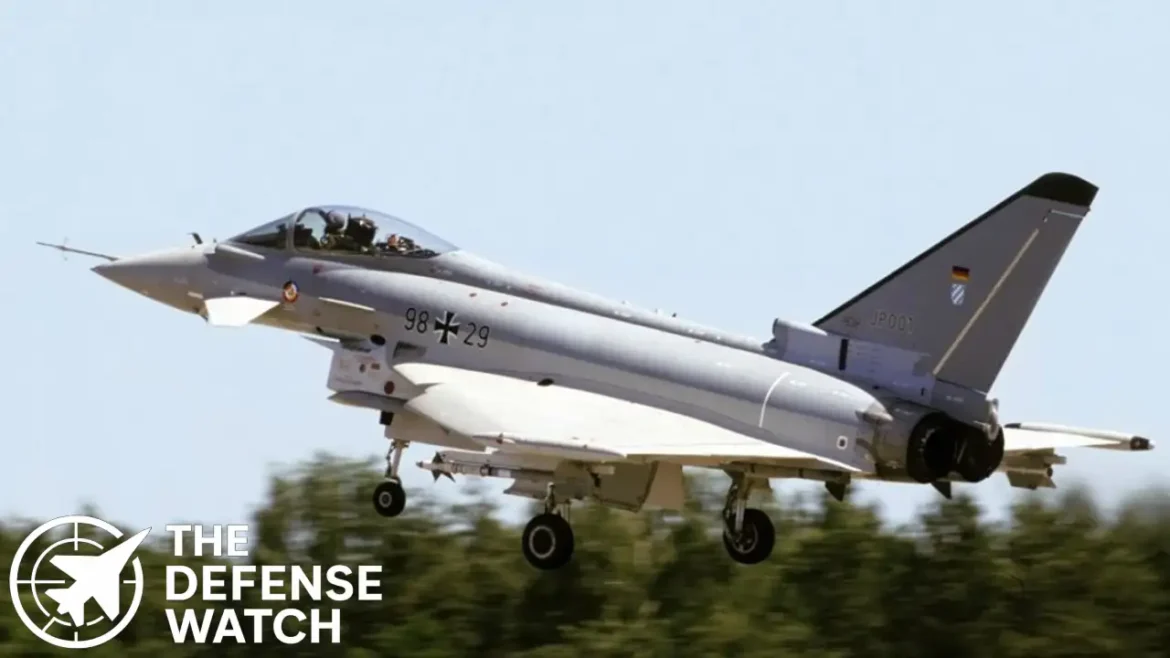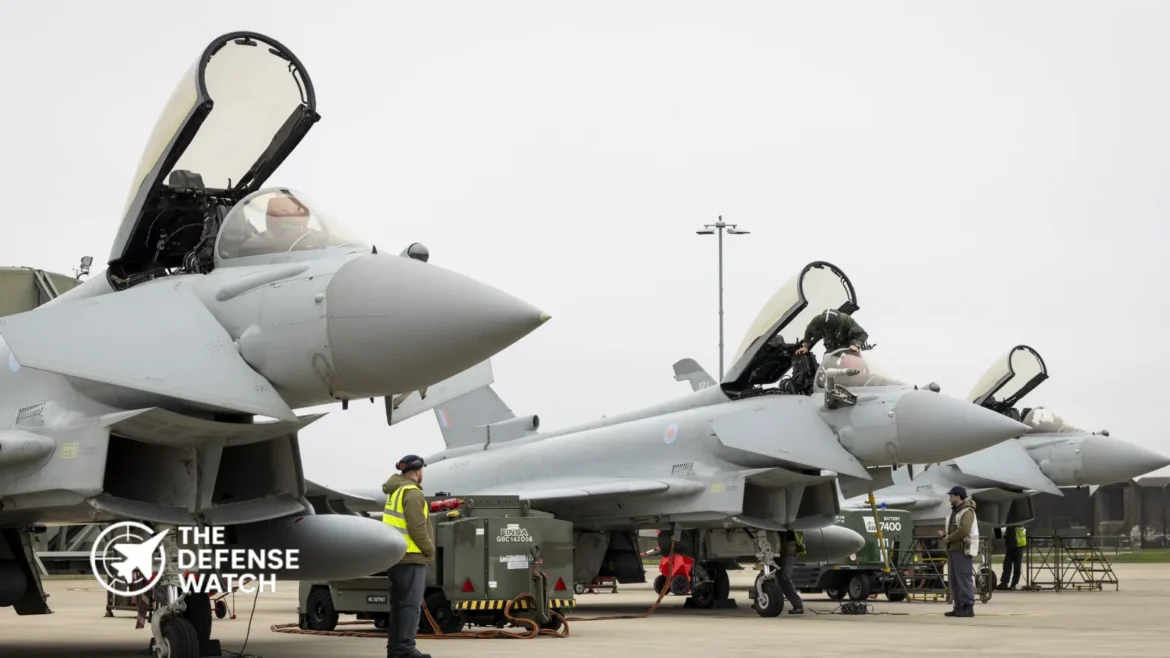
- Four RAF Typhoon fighter jets deployed from RAF Coningsby to Qatar in March 2026.
- Aircraft will integrate with the RAF Typhoon force already operating in the Gulf region.
- Deployment supports air defense operations for regional partners including Bahrain and the UAE.
- RAF personnel from the UK–Qatar joint 12 Squadron will support the mission.
- Move reinforces the UK’s commitment to regional security and collective defense cooperation.
RAF Typhoons Deploy To Qatar
RAF Typhoons deploy to Qatar as part of the United Kingdom’s effort to strengthen its air presence in the Middle East and support regional partners facing growing security challenges. The Royal Air Force confirmed that four Typhoon fighter jets departed RAF Coningsby and arrived in Qatar to reinforce the UK’s existing air assets operating in the region.
(adsbygoogle = window.adsbygoogle || []).push({});The aircraft will integrate with RAF Typhoon units already stationed in the Gulf and operate alongside personnel from the joint UK–Qatar 12 Squadron as well as Qatar’s own Typhoon squadron.
The deployment expands the RAF’s operational capacity in the region and enhances its ability to conduct air defense missions, support coalition operations, and contribute to broader regional stability.
The Big Picture
The RAF Typhoons deploy to Qatar at a time when Middle East security dynamics are becoming increasingly complex. Western militaries have increased their operational presence across the Gulf as tensions and drone threats continue to challenge regional air defenses.
The United Kingdom has maintained a persistent military footprint in the region for decades. Air power has remained a central element of that posture, particularly through fighter deployments, intelligence sharing, and joint training programs with Gulf partners.
Deploying additional Typhoon aircraft reflects the UK’s continuing role in multinational security arrangements designed to protect shipping routes, defend allied airspace, and deter hostile actions across the Gulf region.
Qatar plays an important role in this architecture. The country hosts major coalition military infrastructure and has steadily expanded its own air capabilities through partnerships with Western defense industries.
What’s Happening
Four RAF Typhoon fighters departed RAF Coningsby in eastern England and deployed to Qatar in early March 2026.
The aircraft will join existing RAF Typhoon forces operating in the Gulf and integrate with both RAF personnel and the Qatar Emiri Air Force. The mission includes supporting regional air defense efforts for Gulf partners including Bahrain and the United Arab Emirates.
The deployment also involves personnel from 12 Squadron, a joint RAF and Qatar Emiri Air Force unit established to deepen operational cooperation between the two countries.
RAF officials say the move demonstrates the service’s ability to rapidly reinforce deployed combat air assets and respond to emerging security requirements.
The Eurofighter Typhoon remains the RAF’s primary multirole combat aircraft. It can perform air superiority, defensive counter air, and precision strike missions, making it well suited for coalition air operations and regional air policing.
Why It Matters
Forward deployment of fighter aircraft provides a rapid response capability that is critical in the Gulf region. Air defense threats in the Middle East increasingly include cruise missiles, drones, and other unmanned systems that can appear with little warning.
(adsbygoogle = window.adsbygoogle || []).push({});Typhoon aircraft equipped with advanced radar, long range air to air missiles, and precision strike weapons can help detect and intercept aerial threats before they reach critical infrastructure or population centers.
The deployment also strengthens integrated air defense cooperation among Gulf partners and Western allies.
Military planners often rely on distributed fighter forces across several regional bases. This approach improves operational resilience and reduces vulnerability to surprise attacks against a single airfield.
The presence of additional RAF Typhoons therefore increases both operational flexibility and deterrence.
Strategic Implications
The RAF Typhoons deploy to Qatar as part of a broader Western effort to maintain military stability across the Middle East.
Forward based fighter aircraft allow the United Kingdom and its allies to respond quickly to emerging threats. They also enable coalition forces to conduct air patrols, intercept suspicious aircraft or drones, and support defensive operations across the region.
The deployment reinforces Britain’s long standing defense relationship with Qatar. The two countries operate a unique joint squadron, 12 Squadron, which integrates pilots, maintainers, and operational planning personnel from both air forces.
This partnership supports Qatar’s development of its own Typhoon capability while providing the RAF with valuable operational experience working alongside Gulf air forces.
In strategic terms, these deployments help sustain a layered security architecture that includes naval forces, missile defense systems, and coalition air power across the region.
Competitor View
Regional rivals and strategic competitors closely monitor Western air deployments in the Gulf.
Countries such as Iran often interpret increases in coalition air power as part of a broader deterrence posture aimed at countering missile and drone threats. Additional fighter aircraft also complicate any potential attempt to challenge coalition air superiority in the region.
For competitors, the presence of advanced fighters like the Typhoon signals that Western forces maintain a rapid reinforcement capability and can scale up air operations quickly if the security situation deteriorates.
At the same time, Gulf partners view these deployments as reassurance that Western security commitments remain active.
Capability Gap
The RAF Typhoons deploy to Qatar partly to address the growing challenge posed by unmanned aerial threats and long range missile systems.
(adsbygoogle = window.adsbygoogle || []).push({});Small drones and loitering munitions have become common tools in regional conflicts. These systems are inexpensive but can threaten military facilities, shipping lanes, and critical energy infrastructure.
Fighter aircraft equipped with modern sensors and air to air weapons provide one layer of defense against these threats.
However, air power alone cannot eliminate the risk. Effective defense requires integrated systems that combine fighters, ground based air defense, early warning radars, and electronic warfare capabilities.
The Typhoon deployment therefore contributes to a broader defensive network rather than acting as a standalone solution.
What To Watch Next
Several developments will determine the long term impact of this deployment.
First, the RAF may adjust the size or duration of its fighter presence depending on the regional security situation. Reinforcements could include additional aircraft, support personnel, or aerial refueling assets.
Second, joint operations between RAF and Qatar Emiri Air Force units will likely expand as Qatar continues to build its Typhoon fleet and operational expertise.
Third, the deployment may feed into broader multinational air defense coordination efforts involving NATO partners and Gulf Cooperation Council states.
(adsbygoogle = window.adsbygoogle || []).push({});These trends suggest that the Gulf will remain a key theater for Western air power deployments in the coming years.
The Bottom Line
The deployment of RAF Typhoons to Qatar strengthens coalition air power in the Gulf while reinforcing the United Kingdom’s long standing defense commitments to regional security.
 ■ KEY FACTS AT A GLANCE
- ► RAF F-35B Lightnings shot down uncrewed aerial systems over Jordanian airspace.
- ► The intercept marked the first operational kill for a British F-35 aircraft.
- ► The aircraft were operating in defense of Jordan.
- ► The UK Ministry of Defence confirmed the engagement.
- ► The F-35B Lightning II is the short takeoff and vertical landing variant used by the RAF and Royal Navy.
RAF F-35B Records First Operational Kill
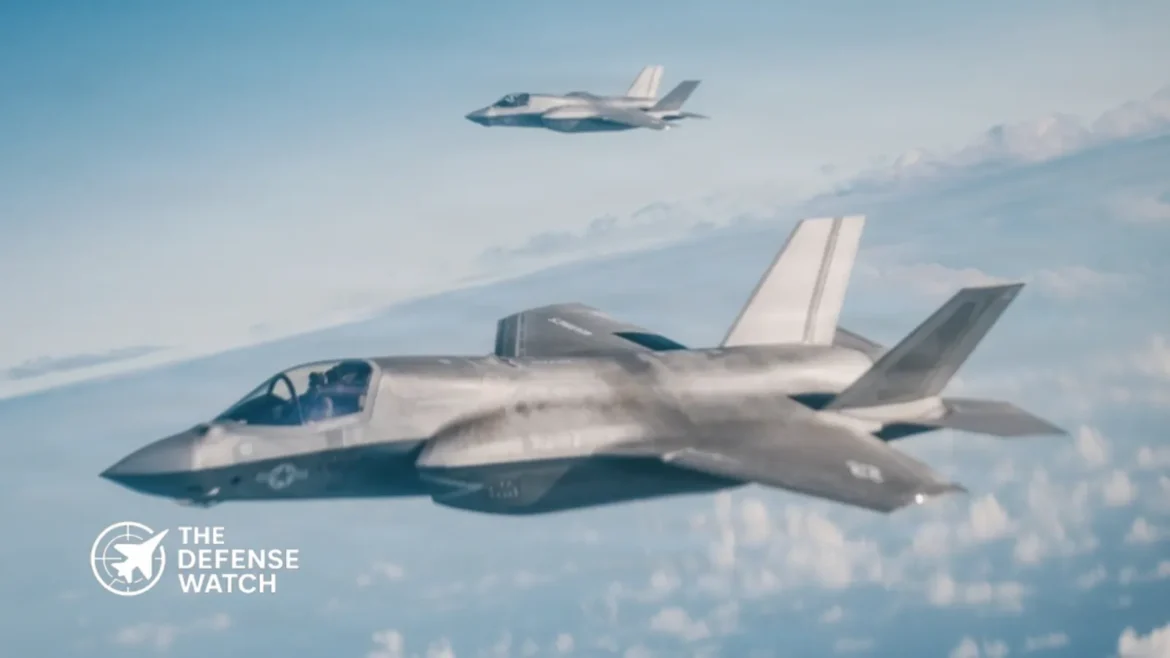
The British F-35B operational kill was confirmed after Royal Air Force Lightnings shot down uncrewed aerial systems while operating over Jordanian airspace in defense of the country.
According to the UK Ministry of Defence, the engagement marked the first time a British-operated F-35 has destroyed a target during live operations.
The aircraft involved were F-35B Lightning II jets assigned to the Royal Air Force. The F-35B is the short takeoff and vertical landing variant of the Joint Strike Fighter family, operated by both the RAF and the Royal Navy’s Fleet Air Arm.
The intercept took place over Jordanian territory, where UK aircraft were deployed as part of ongoing regional security operations.
Operational Context
The United Kingdom maintains a sustained military presence in the Middle East, including air assets based in Jordan and other regional locations. RAF fast jets have previously conducted counter-ISIS missions and regional deterrence patrols from Jordanian bases.
While officials did not disclose the specific type of uncrewed aerial system engaged, the use of drones by state and non-state actors across the Middle East has sharply increased in recent years. Low-cost one-way attack drones and reconnaissance platforms are now common in regional conflicts.
The British F-35B operational kill demonstrates that fifth generation aircraft are now actively contributing to counter-drone defense missions, not solely high end air superiority or strike roles.
Significance For The RAF
This event marks a milestone for the UK’s F-35 program. The United Kingdom is the only Tier 1 partner in the multinational F-35 program and operates the STOVL F-35B variant from both land bases and the aircraft carriers HMS Queen Elizabeth and HMS Prince of Wales.
Although US and Israeli F-35s have reportedly conducted combat operations in recent years, this is the first confirmed operational kill by a British F-35.
From a capability perspective, the engagement underscores the F-35B’s role as a multi-mission platform. Equipped with advanced sensors, data fusion, and beyond-visual-range weapons, the aircraft can detect and engage aerial threats with limited external cueing.
The use of a high end stealth fighter against uncrewed systems also reflects a broader shift in air warfare. Drones have become persistent threats, often launched in swarms or used to test air defenses. Western air forces increasingly rely on layered defense systems, combining ground-based air defense, electronic warfare, and combat air patrols.
Counter-Drone Implications
The British F-35B operational kill also highlights a cost and force management challenge. Shooting down relatively low-cost drones with advanced fighters raises questions about sustainability in prolonged conflicts.
However, in environments where speed, reach, and rapid decision making are required, fifth generation aircraft provide immediate response capability. The F-35’s sensor suite allows pilots to identify and classify airborne objects at extended ranges, reducing ambiguity in congested airspace.
Jordan sits at a strategic crossroads near Iraq, Syria, and Israel, regions where drone activity has become routine. Defensive patrols over Jordan reflect a precautionary posture amid broader regional instability.
Strategic Message
Beyond the tactical intercept, the event carries signaling value. The UK’s ability to deploy F-35Bs to the region and conduct live engagements reinforces its role as a security partner in the Middle East.
It also confirms that British F-35Bs have now transitioned fully from training and deterrence roles into active combat operations.
For London, the milestone supports long term investment in fifth generation airpower and validates the operational readiness of its Lightning force.
As drone proliferation continues across regional theaters, the integration of stealth fighters into counter-UAS missions will likely expand. The British F-35B operational kill may be the first of its kind for the RAF, but it is unlikely to be the last.
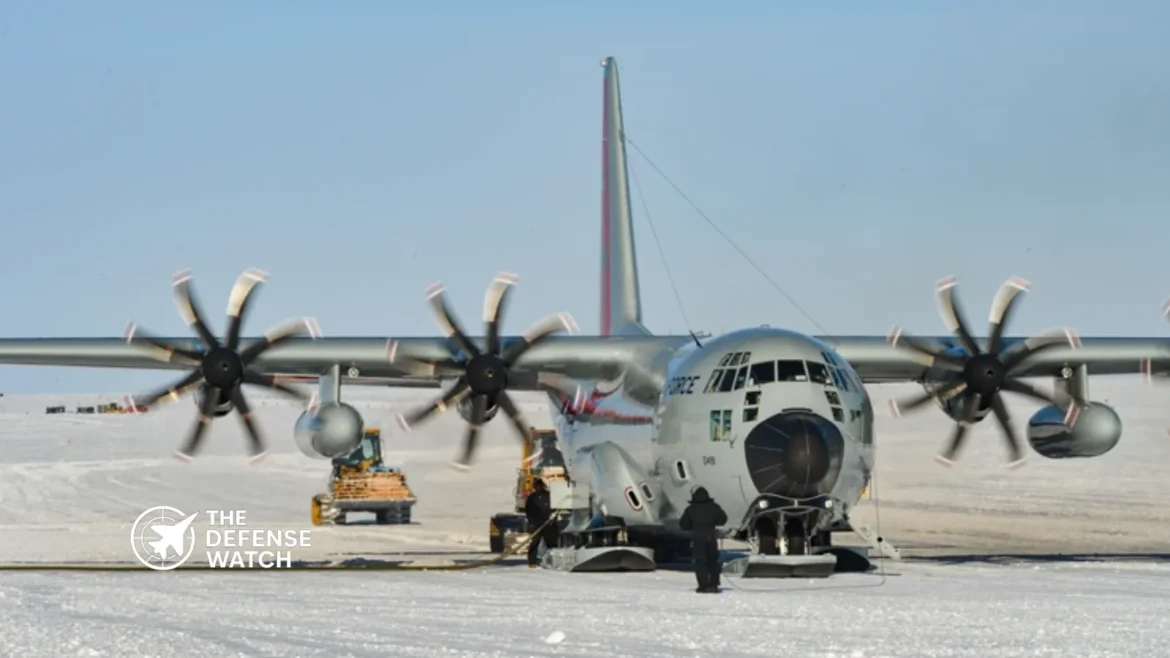
The RAF Antarctic mission has reinforced UK Chile cooperation by delivering personnel and equipment in support of operations on the southern continent. The flight, conducted by the Royal Air Force in coordination with Chilean partners, highlights the growing role of military aviation in sustaining Antarctic presence while strengthening defense relationships between London and Santiago.
According to reporting by UK Defence Journal and official statements from the UK Ministry of Defence, the mission focused on logistical support rather than combat activity, aligning with international agreements governing Antarctic operations.
Strategic Context of the RAF Antarctic Mission
The RAF Antarctic mission forms part of a wider UK effort to maintain reliable access to Antarctica, a region critical for scientific research, climate monitoring, and international cooperation. The United Kingdom has maintained a continuous Antarctic presence for decades, primarily through the British Antarctic Survey, with military aviation providing essential lift capability.
Chile plays a central role in Antarctic logistics due to its geographic proximity and established infrastructure. Cooperation between the RAF and the Chilean Air Force allows both nations to operate more efficiently in extreme environments where weather, distance, and limited infrastructure create persistent challenges.
Authoritative sources including the UK Ministry of Defence have emphasized that such missions are routine but strategically important, ensuring continuity of research and adherence to international obligations.
Aircraft and Capabilities Used
The mission was conducted using RAF transport aircraft optimized for long range and austere environment operations. While specific aircraft details were not fully disclosed, the RAF regularly employs platforms such as the A400M Atlas and C 130 variants for polar logistics.
These aircraft provide key advantages for Antarctic missions:
• Long range endurance suitable for intercontinental flights
• Ability to operate from semi prepared or icy runways
• High payload capacity for personnel, fuel, and scientific equipmentThe operation also demonstrated interoperability with Chilean facilities, including shared planning, ground support, and coordination procedures.
UK Chile Defense and Aviation Cooperation
UK Chile cooperation in Antarctica reflects a broader defense relationship that includes training exchanges, professional military education, and joint exercises. Chile has extensive experience operating in polar conditions and maintains multiple Antarctic bases, making it a valuable partner for allied nations with research and logistical interests in the region.
For the UK, cooperation with Chile enhances operational resilience while reducing costs and risks associated with unilateral operations in extreme environments. For Chile, collaboration with a NATO member reinforces international partnerships and technical exchange.
Defense analysts note that these activities remain consistent with the Antarctic Treaty System, which promotes peaceful use, scientific cooperation, and transparency.
Importance of Antarctica for Defense and Security Planning
While Antarctica is governed by strict international agreements, defense planners increasingly view polar logistics as a test bed for operating in extreme conditions. Skills developed during Antarctic missions translate directly to humanitarian assistance, disaster response, and high latitude operations elsewhere.
The RAF Antarctic mission demonstrates the service’s ability to project air mobility across vast distances, coordinate with foreign partners, and sustain operations in some of the harshest conditions on Earth.
Official Statements and Sources
The UK Ministry of Defence confirmed that the mission supported cooperative Antarctic activity and reinforced bilateral ties with Chile. Chilean defense authorities echoed the emphasis on logistics and scientific support, noting the value of shared expertise in polar aviation.
UK Defence Journal reported that the mission represents a continuation of established cooperation rather than a new policy shift, underscoring stability and predictability in UK Antarctic engagement.
Outlook for Future Antarctic Cooperation
Looking ahead, UK Chile cooperation in Antarctica is expected to continue as both nations maintain commitments to scientific research and responsible presence on the continent. Military aviation will remain a key enabler, particularly as climate conditions place greater demands on logistics and infrastructure.
The RAF Antarctic mission serves as a practical example of how defense capabilities support broader national objectives without undermining the peaceful framework governing Antarctica.
UK Confirms Limits on Military Access to Irish Airspace
The United Kingdom Ministry of Defence has confirmed that UK military aircraft do not enter the sovereign airspace of Ireland for operational purposes without the express prior agreement of the Irish Government, officials said during a UK parliamentary session on January 20, 2026.
(adsbygoogle = window.adsbygoogle || []).push({});In response to a question in the House of Commons, Defence Minister Al Carns outlined the formal arrangements governing access to Irish airspace and reiterated that all military flights are subject to diplomatic clearance and international norms.
Background on Airspace Cooperation
Ireland’s sovereign airspace extends over its territory and surrounding waters and remains under the control of the Irish Government, consistent with international law on state airspace rights. The Republic’s longstanding policy of military neutrality means it is not part of formal defence alliances and maintains a limited air defence capability.
Historically, Dublin has relied on informal arrangements with London that date back to the early 1950s, when Ireland permitted the Royal Air Force to assist with intercepting unidentified aircraft due to the Irish Air Corps’ lack of fast-jet interception capability. These arrangements have been periodically renewed through bilateral engagement, though they are not regarded as formal defence treaties.
Details of the Defence Ministry Response
The issue was raised in the UK parliament by Carla Lockhart, a Member of Parliament for the Democratic Unionist Party, who asked officials to clarify arrangements for intercepting unidentified or potentially hostile aircraft in Irish airspace.
Minister Carns said that access to Irish airspace by UK military aircraft is managed through established diplomatic processes, with clearances requested and granted under set conditions. He emphasized that the UK does not conduct operational flights within Ireland’s sovereign airspace without prior political approval from Dublin.
(adsbygoogle = window.adsbygoogle || []).push({});Carns made a point that matters relating to sovereign airspace access ultimately rest with the individual states involved, and suggested that questions about Irish regulations be directed to Irish authorities.
Longstanding Interception Role
The UK’s role in responding to unidentified aircraft near Irish airspace stems from practical considerations. Ireland has not operated dedicated interceptor fighters since it retired its sole air combat aircraft in 1999, leaving it without the ability to rapidly identify or intercept high-speed aircraft on its own.
Under past arrangements, RAF jets have been dispatched to visually identify aircraft that enter the Irish Flight Information Region (FIR) and fail to establish contact with civil air traffic control. The UK position has been that these missions are focused on aviation safety, helping to re-route civilian flights and maintain safe airspace around one of Europe’s busiest transatlantic corridors, rather than taking responsibility for Irish air defence.
Diplomatic and Legal Framework
According to international norms, military aircraft, including warplanes, require permission from the sovereign state to enter its airspace. That permission typically comes through diplomatic channels and formal clearance requests. The UK Defence Ministry’s statement underlines this principle and confirms that routine access is not assumed based on past cooperative arrangements.
Ireland’s constitution and aviation regulations reinforce state control over foreign military flights. Previous reporting has noted that foreign military aircraft must receive express invitation or permission from Irish authorities to fly over or land in the state, and must meet specified conditions related to armament and purpose.
The longstanding cooperation between the UK and Ireland around air traffic safety and airspace monitoring does not equate to a formal defence pact. Instead it is framed within mutual interest in civil aviation safety and shared operational risks.
(adsbygoogle = window.adsbygoogle || []).push({});Policy and Strategic Implications
The reaffirmation of diplomatic clearance requirements comes amid ongoing discussion in Ireland about its defence posture and the nature of its cooperation with the UK. Some Irish officials and analysts have in the past called for greater transparency regarding airspace arrangements, reflecting concerns about sovereignty and Dublin’s neutral stance.
For the UK, clarifying the limits on military access to Irish airspace helps define the scope of bilateral defence cooperation and reaffirms respect for Irish sovereignty. It also reflects broader efforts to maintain clear international norms governing military flights and state airspace rights.
What’s Next
Looking ahead, the UK and Ireland are expected to continue dialogue on defence cooperation, including air and maritime security. Both governments have engaged in periodic reviews of existing arrangements, and Dublin may consider adjustments to its own air defence capabilities.
The confirmation that UK military aircraft require explicit Irish government approval for operational flights into Irish airspace underscores the importance of diplomatic channels in managing shared security challenges, particularly in the context of neutral defence policies and evolving regional threats.
The Eurofighter Typhoon stands as one of Europe’s flagship combat aircraft — a twin-engine, delta-canard, multirole fighter that serves in several NATO and allied air forces, including the Royal Air Force (RAF). In this article, we examine the Typhoon’s origins, its manufacturing consortium, its performance envelope (including “how fast is the Eurofighter Typhoon”), and its operational role within the RAF and beyond.
Historical Development & Consortium Origins
From the Agile Combat Aircraft to European Fighter Aircraft
Efforts to develop a next-generation European fighter began in the early 1980s under the Agile Combat Aircraft (ACA) concept. That later evolved into the European Fighter Aircraft (EFA) program, with initial partners being the UK, Germany, and Italy, before Spain joined in 1985. France withdrew from the project to pursue its own path, eventually producing the Dassault Rafale.
Formal organizational structures followed: in 1986, Eurofighter Jagdflugzeug GmbH was established to manage development and production.
Prototype Flights and Entry into Service
The first development aircraft, DA1, flew on 27 March 1994. Subsequent prototypes (DA2, DA3, etc.) followed, produced by various national contractors across Europe.
In the late 1990s, production contracts were formalized (1997–1998). Between 2003 and 2005, Eurofighter Typhoon aircraft entered service with the four original partner air forces.
Today, the Typhoon continues to evolve, with upgrade paths in avionics, sensors, and weapons integration.
Who Made the Eurofighter Typhoon?
The Consortium Structure
The Typhoon is produced under a multinational joint venture—Eurofighter Jagdflugzeug GmbH. Ownership is divided among major European aerospace firms:
- Airbus Defence & Space (46%)
- BAE Systems (33%)
- Leonardo (21%)
These partners coordinate design, manufacturing, upgrades, and exports. The customer is managed through the NATO Eurofighter and Tornado Management Agency (NETMA), acting on behalf of partner nations.
Engines: EuroJet Consortium
The Typhoon is powered by two Eurojet EJ200 afterburning turbofan engines.
EuroJet Turbo GmbH, formed in 1986, is the consortium responsible for developing, producing, and sustaining the EJ200 engine. Ownership includes Rolls-Royce (UK), MTU Aero Engines (Germany), Avio (Italy), and ITP Aero (Spain).
The choice of the EJ200 was part of broader negotiations among partner nations; interestingly, France’s exit from the joint project coincided with insistence on a French engine, which other partners rejected in favor of the EJ200.
Technical Profile: How Fast Is the Eurofighter Typhoon?
Airframe & Dimensions
- Length: ~15.96 m (52.4 ft)
- Wingspan: ~10.95 m (35.9 ft)
- Height: ~5.28 m (17.3 ft)
- Empty Weight: ~11,000 kg
- Maximum Take-off Weight (MTOW): ~ 23,500 kg
Speed & Altitude
- At altitude, the Typhoon can reach Mach 2.0 (approx. 2,495 km/h) under some conditions according to Eurofighter’s performance materials.
- Some sources state Mach 2.35 for its two engines producing ~150,000 horsepower (though this is a claimed or extrapolated figure)
- At sea-level, maximum speed is lower, roughly Mach 1.25 (≈1,530 km/h) as per manufacturer data.
- Service ceiling: over 16,764 m (≈55,000 ft)
These figures place the Typhoon among the faster fourth-generation fighters, though in practice sustained Mach 2+ flight is constrained by operational limits, fuel, and structural considerations.
Performance Highlights
- The Typhoon has excellent thrust-to-weight characteristics, aided by its relatively light structure and powerful engines.
- It boasts short take-off times: reported < 8 seconds from standstill.
- The aircraft is designed as a swing-role platform, capable of switching between air-to-air and air-to-surface roles in a single sortie.
Role in the RAF & Operational Capabilities
RAF Typhoon (FGR.4)
In RAF service, the Typhoon is designated FGR Mk.4 (Fighter / Ground attack / Reconnaissance). It carries a variety of air-to-air and air-to-ground munitions: ASRAAM, AMRAAM, Meteor, IRIS-T, Storm Shadow, Brimstone, Paveway IV, plus a 27 mm Mauser internal cannon.
The aircraft uses the CAPTOR-E AESA radar, PIRATE FLIR sensor, and PRAETORIAN electronic defensive aids (DASS) subsystems, often leveraging sensor fusion to maximize situational awareness.
In its air policing or QRA (Quick Reaction Alert) role, its rapid climb capability is a major asset — one source claims it can ascend to 11,000 m in just two minutes.
courtesy of eurofighter.com Export & Global Use
Beyond the UK, Typhoon serves in Germany, Italy, Spain, Austria, Saudi Arabia, Oman, Kuwait, and Qatar. Over 600 aircraft have been ordered, with the majority delivered.
Modernization efforts continue, with ongoing upgrades in radar, electronic warfare, weapons integration, and structural life extension programs.
Strategic & Operational Context (Analysis)
Europe’s investment in the Eurofighter Typhoon reflects a commitment to aerospace sovereignty—ensuring that European nations retain control over critical military aviation capabilities rather than relying entirely on external suppliers. The consortium model, though complex, allows burden-sharing across nations and fosters deep industrial cooperation.
Yet the Typhoon faces challenges amid shifting defense priorities. As next-generation technologies emerge (e.g. sixth-generation fighters, unmanned systems), keeping the Typhoon competitive will require sustained investment in upgrades. Its longevity will depend on how effectively it can integrate advanced sensors, networked warfare capabilities, and new weapon systems.
In RAF service, Typhoons remain a key pillar of the UK’s air power, particularly for air policing and intercept missions in European airspace. Their performance envelope and rapid response capability make them effective QRA assets. However, decisions to pair future assets with unmanned systems or to transition toward newer platforms will influence their long-term relevance.
Conclusion
The Eurofighter Typhoon is a remarkable example of European aerospace collaboration—a sleek, capable multirole fighter that combines impressive speed, agility, and weapon flexibility. Built by a consortium of Airbus, BAE Systems, and Leonardo, and powered by the EuroJet EJ200 engines, it remains a backbone of several European air forces, including the RAF.
Despite its maturity, the Typhoon continues to evolve, balancing legacy airframes with modernization to meet future threats. As Europe charts its military aviation path into the coming decades, the Typhoon will remain a critical stepping stone toward next-generation systems.
FAQs
How fast can the Eurofighter Typhoon fly?Its top speed at altitude is commonly cited as Mach 2.0 (≈ 2,495 km/h), though some sources claim brief bursts to Mach 2.35 under ideal conditions.
Who manufactures the Eurofighter Typhoon?The Typhoon is built by Eurofighter Jagdflugzeug GmbH, a consortium owned by Airbus, BAE Systems, and Leonardo.
Which engine powers the Typhoon?It is powered by two EuroJet EJ200 turbofan engines, developed and maintained by EuroJet Turbo GmbH.
What role does the Typhoon play in RAF service?In RAF service (as Typhoon FGR.4), it fulfills air-to-air, air-to-ground, and reconnaissance roles, and is routinely used for Quick Reaction Alert (QRA) and air policing tasks.
When did the Typhoon first fly and enter service?Its maiden flight occurred on 27 March 1994 (DA1 prototype). The first operational deliveries began in 2003 across the partner air forces.
Older Posts