

Executive Summary:
Norway has committed approximately $302 million to support Ukraine’s air defense network, including Patriot missile capabilities, under the PURL initiative. The funding comes as Kyiv continues to face large scale Russian missile and drone attacks targeting cities and critical infrastructure.
Ukraine Air Defense Receives Major Boost From Norway
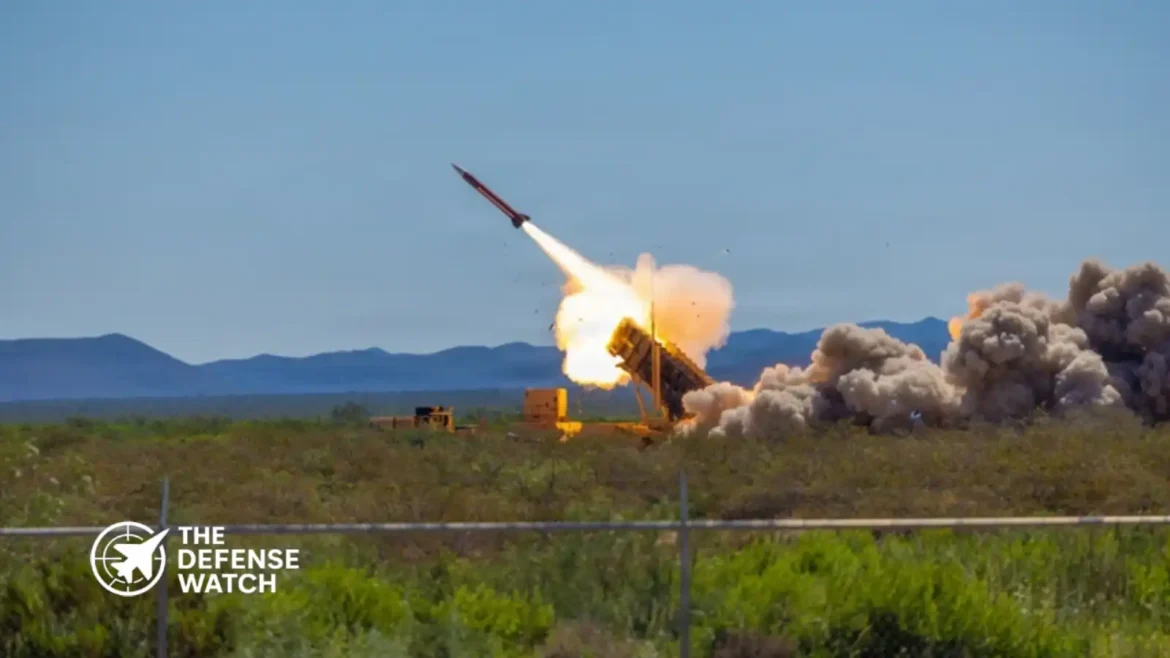
Norway has announced a new military assistance package worth approximately $302 million aimed at strengthening Ukraine air defense capabilities, including support linked to the Patriot Missile System.
The funding will be delivered through the PURL initiative, a multinational framework designed to accelerate the procurement and sustainment of advanced air defense systems for Ukraine as the conflict with Russia continues.
Norwegian officials stated that the package is intended to help Ukraine defend civilian infrastructure, energy facilities, and urban centers from ongoing Russian missile and drone strikes. The announcement reflects a broader European and NATO-backed effort to maintain Ukraine’s layered air defense network amid increasing pressure on interceptor stockpiles.
The Patriot system remains one of the most capable Western air defense platforms supplied to Ukraine since the war began. Designed to intercept ballistic missiles, cruise missiles, and aircraft, the system has become central to Kyiv’s defense against high intensity aerial attacks.
Patriot Missile Systems Remain Critical To Ukraine’s Defense
The Patriot missile package funded by Norway highlights the growing importance of advanced integrated air defense systems in the current operational environment. Since their deployment in Ukraine, Patriot batteries have reportedly been used to counter some of Russia’s most sophisticated missile threats, including ballistic missile attacks against major cities.
Developed by RTX, formerly known as Raytheon Technologies, the Patriot system combines long range radar, command and control assets, and interceptor missiles capable of engaging multiple targets simultaneously.
Military analysts widely regard the Patriot as one of the few operational systems capable of reliably defending against advanced ballistic missile threats. Ukraine has repeatedly requested additional Patriot launchers and interceptor missiles as Russian long range strike campaigns continue.
Norway’s contribution is also strategically significant because sustaining Patriot operations requires more than launcher deliveries alone. Interceptor production, spare parts, radar maintenance, crew training, and logistical support all play critical roles in maintaining operational readiness over time.
The PURL initiative appears designed to address these sustainment challenges by pooling allied financial and industrial resources rather than relying solely on direct equipment transfers from national inventories.
European Allies Expand Long-Term Air Defense Support
The Norwegian announcement comes amid broader allied discussions over long term support for Ukraine’s air defense architecture. European governments and NATO members have increasingly shifted from short term emergency aid toward structured procurement and industrial cooperation models.
This transition reflects growing concern over production capacity limitations across the Western defense industrial base. Patriot interceptors and other advanced air defense munitions remain in high demand globally, particularly as NATO states simultaneously replenish their own stockpiles.
The latest Norwegian funding package also underscores how smaller NATO members continue to play influential roles in sustaining Ukraine’s defense capabilities. While the United States remains the primary supplier of Patriot systems and munitions, European financial contributions have become increasingly important in enabling continued deliveries.
Norway has consistently expanded its military assistance to Ukraine since the start of the conflict, including support for air defense systems, artillery ammunition, and maritime security initiatives.
Russian Missile And Drone Attacks Continue
Ukraine’s need for additional air defense support remains urgent as Russian forces continue conducting combined missile and drone attacks across the country. Ukrainian officials have repeatedly warned that interceptor shortages could leave critical infrastructure increasingly vulnerable.
Recent attack patterns have demonstrated Russia’s continued use of saturation tactics involving cruise missiles, ballistic missiles, and long range one way attack drones launched simultaneously to overwhelm defensive networks.
The sustained pace of attacks has intensified pressure on Western allies to accelerate both production and delivery timelines for air defense interceptors and associated systems.
Norway’s latest funding decision therefore carries operational importance beyond its monetary value. By helping finance Patriot related support under the PURL framework, Oslo contributes to maintaining one of Ukraine’s most strategically important defensive capabilities during a prolonged phase of the war.
Strategic Implications For NATO And European Defense
The Patriot missile funding package also reflects broader lessons emerging from the conflict regarding modern air and missile defense requirements. NATO members are increasingly reassessing their own air defense inventories, procurement plans, and industrial production capacities in response to the war.
For European defense planners, Ukraine has become a real world case study in the importance of layered missile defense systems capable of countering high volume precision strike campaigns.
The continued multinational financing of Patriot support may also serve as a model for future cooperative defense procurement initiatives among allied nations facing growing regional security pressures.
As the conflict enters another prolonged phase, sustained financing mechanisms such as PURL could become increasingly important in ensuring Ukraine maintains operational access to advanced Western defensive systems.
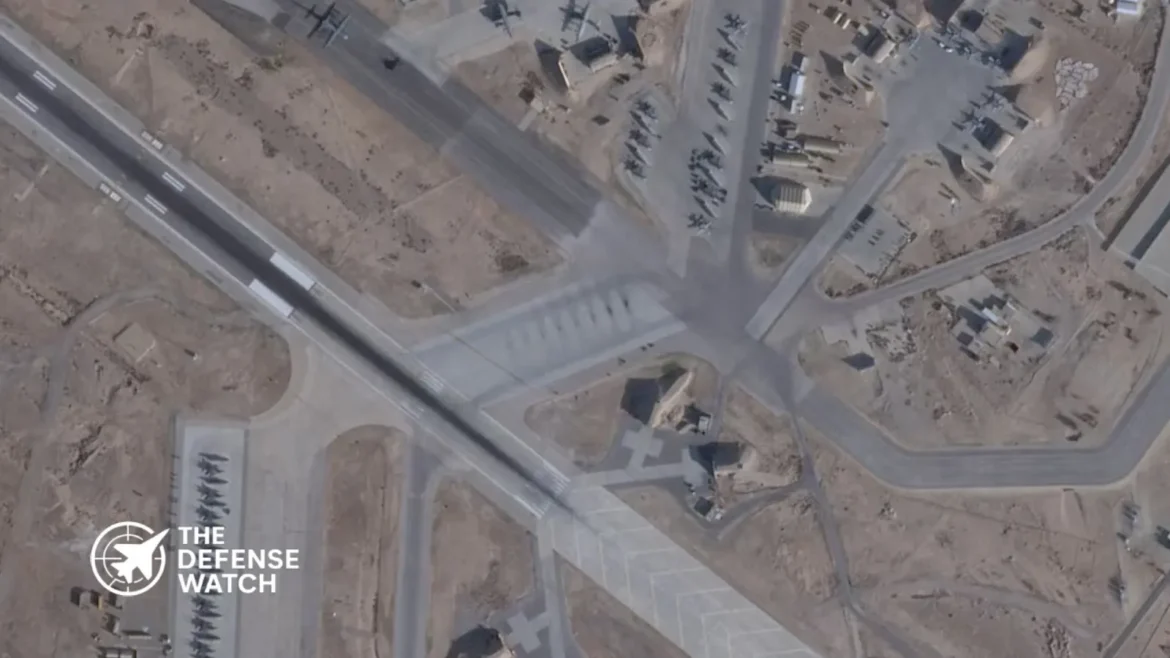
US Shifts Patriot Missile Deployment at Qatar Base as Iran Tensions Rise
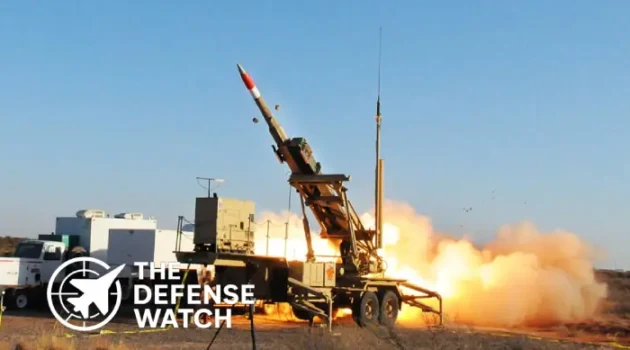
US forces at Qatar’s al-Udeid Air Base have moved Patriot air defense missiles onto mobile truck launchers as tensions with Iran have risen since January, satellite imagery shows, highlighting a shift in posture at America’s largest Middle East installation.
Satellite-based analysis indicates Patriot systems were placed on M983 Heavy Expanded Mobility Tactical Trucks (HEMTT) rather than semi-static launch sites, allowing quicker repositioning or rapid deployment in response to evolving regional threats.
The change in deployment coincides with increased aircraft presence and support assets at multiple US bases across the Middle East, according to imagery comparisons between early February and late January.
Pentagon officials have not confirmed whether the mobile configuration remains in place. Analysts say such platforms can reduce vulnerability and improve response options against ballistic or cruise missile threats in contested airspace.
Mobile Launchers and What They Mean
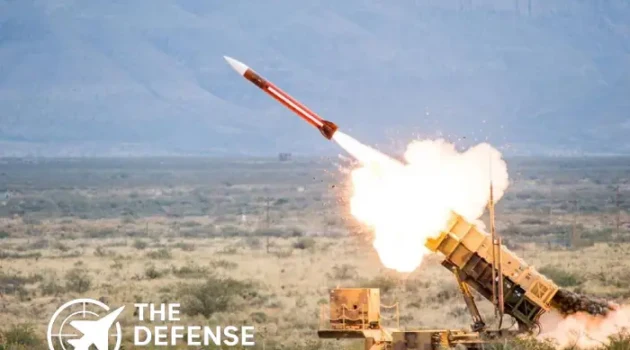
Patriot missiles are a core part of US air and missile defense. Mounting them on truck-based launchers lets forces move launchers quickly across a base or region rather than keeping them fixed at prepared sites. That flexibility can make them harder to target and allow rapid shifts in coverage.
William Goodhind, a forensic imagery analyst with Contested Ground, said satellite photos showed Patriots on HEMTT trucks at al-Udeid in early February. The mobility this provides gives units the ability to relocate quickly if needed.
Regional Buildup Seen in The Imagery
Analysis of early February satellite images shows added US military aircraft and equipment in Qatar and other parts of the Middle East compared with mid-January. At al-Udeid, aircraft including RC-135 reconnaissance planes, C-130 Hercules transports and KC-135 tankers were more numerous.
Similar increases were noted at Muwaffaq Salti Air Base in Jordan and Prince Sultan Air Base in Saudi Arabia, as well as at facilities in Oman and the Indian Ocean island of Diego Garcia.
These movements suggest readiness adjustments across multiple allied facilities as concerns about potential escalation with Iran persist.
Tensions With Iran and Broader Context
Tensions between the US and Iran have grown in recent months over Tehran’s nuclear program, ballistic missile developments, and support for allied militias across the Middle East. US leaders have publicly warned of possible military action if diplomatic efforts fail to curb Iran’s weapons programs.
Iran’s military has indicated it could target US bases if directly attacked, though it frames its actions as defensive. Tehran says it has replenished missile stocks and maintains underground missile facilities near Tehran and other strategic areas.
The satellite imagery makes clear that the Pentagon and US Central Command are watching developments closely while balancing deterrence and diplomatic channels.
What This Means for US Forces
Placing Patriot systems on mobile platforms at a principal base like al-Udeid reflects a cautious posture. The shift gives air defense units options to adapt coverage rapidly and move assets to meet threats or reduce exposure to attack.
It also underscores the central role of forward bases in US regional strategy, enabling airlift, intelligence, surveillance and reconnaissance, refueling operations, and missile defense in an increasingly tense security environment.