

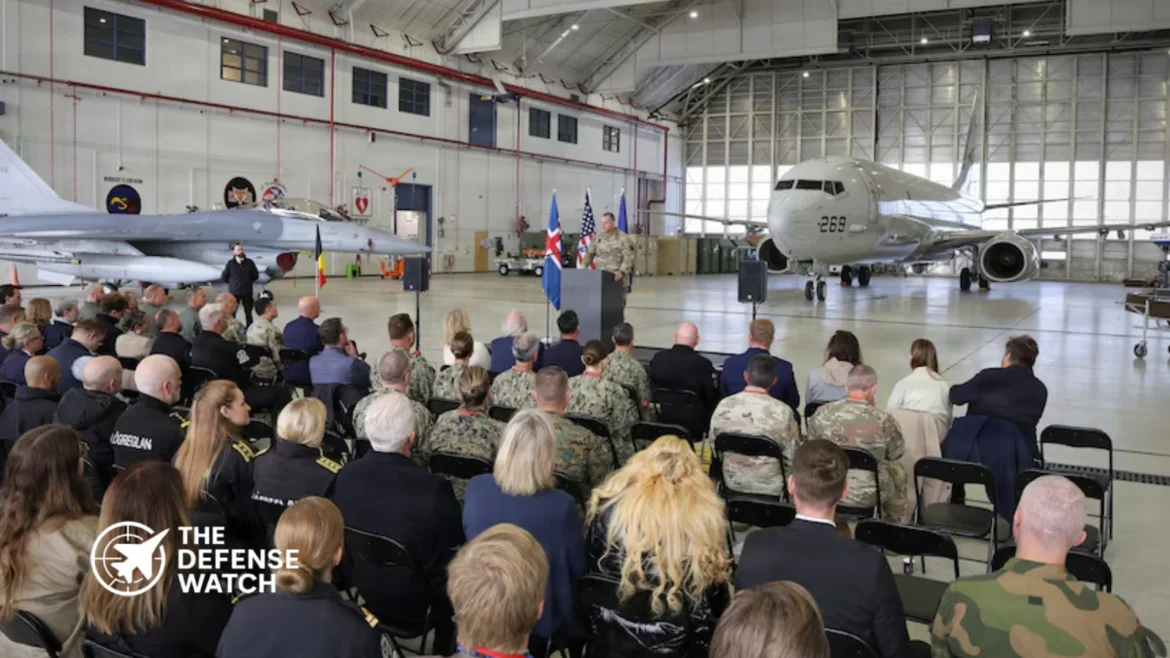
Exercise Northern Viking 2026 Opens in Iceland
Exercise Northern Viking 2026 is bringing U.S., Icelandic and NATO forces together in Iceland as the alliance places renewed emphasis on North Atlantic readiness and maritime security. The U.S. 6th Fleet-led exercise begins Aug. 22 and runs through Sept. 3, with forces arriving at Keflavik to conduct a series of joint and coalition training scenarios.
Takeaways
Northern Viking 2026 links a 75-year U.S.-Iceland defense relationship to current NATO readiness requirements in the North Atlantic.
1. 75 Years of Defense Cooperation
Northern Viking 2026 coincides with the 75th anniversary of the 1951 U.S.-Iceland defense agreement, which established the framework for U.S. defense responsibilities in Iceland.
2. U.S. 6th Fleet Leads the Exercise
The U.S. 6th Fleet is leading Northern Viking 2026, with the Icelandic Coast Guard hosting the exercise and NATO allies contributing forces and specialized personnel.
3. Maritime and Emergency Operations
Training includes antisubmarine warfare, mine countermeasures, search and rescue, expeditionary construction, humanitarian medical response and disaster response.
4. Iceland’s Strategic Location Matters
The exercise focuses on the North Atlantic approaches and the waterways connecting Greenland, Iceland and the United Kingdom, an area important to transatlantic maritime movement.
5. Multidomain Command and Control
Northern Viking 2026 also emphasizes real-time data integration, artificial intelligence-enabled decision support and command-and-control processes designed for faster decision-making.
The 2026 exercise carries particular significance because it coincides with the 75th anniversary of the U.S.-Iceland defense agreement signed in 1951. The agreement remains the foundation of the bilateral defense relationship, although the United States no longer maintains permanently stationed military forces in Iceland.
Northern Viking is therefore more than an anniversary event. It provides an operational setting in which NATO forces can test how they would coordinate maritime, air, logistics, emergency response and command functions in the strategically important North Atlantic.
NATO Allies Train for North Atlantic Contingencies
The exercise is hosted by the Icelandic Coast Guard and led by the U.S. 6th Fleet. Official U.S. defense material describes Northern Viking 2026 as a nine-day event intended to strengthen interoperability among NATO allies and prepare participating forces for a range of contingency operations.
The exercise brings together military and maritime personnel from multiple allied countries. The official U.S. exercise information lists Belgium, Canada, Denmark, Finland, France, Germany, Iceland, Norway and the Netherlands among the participating nations, with ships, aircraft and hundreds of personnel operating at sea and ashore.
The multinational structure is important because a North Atlantic contingency would require forces from several NATO commands and national militaries to operate as a coordinated force rather than as isolated units.
For Iceland, that cooperation has an additional dimension. The country is a NATO member but does not maintain a standing military, leaving defense cooperation with allies central to its national security framework. The United States and Iceland continue to operate under the 1951 bilateral defense agreement.
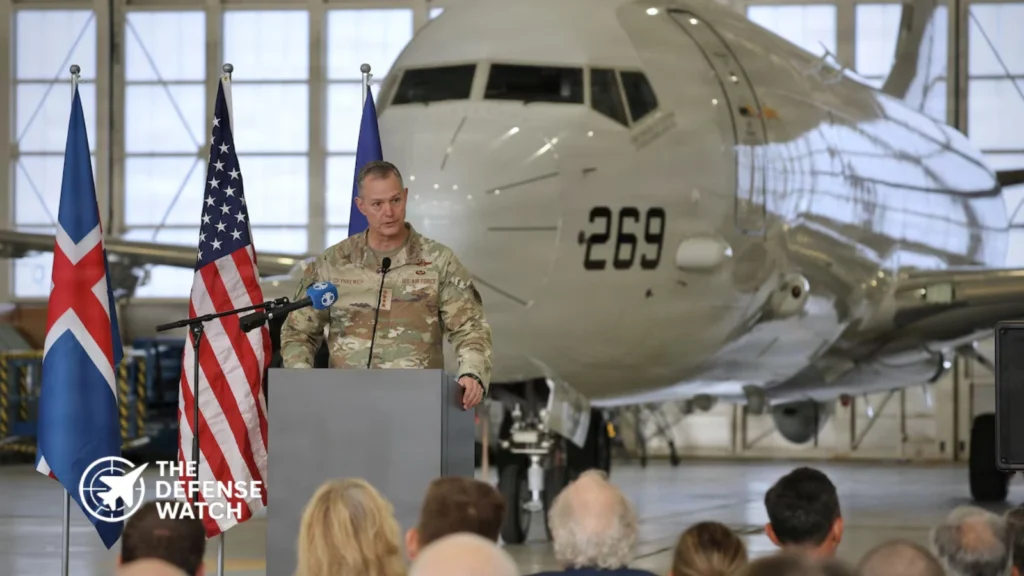
Antisubmarine Warfare Is a Central Training Area
One of the most important elements of Northern Viking 2026 is antisubmarine warfare.
The North Atlantic remains a critical operating environment for NATO maritime forces because it connects North America with Europe. Undersea activity in the region can affect naval operations, military reinforcement routes and the security of critical maritime infrastructure.
Antisubmarine warfare requires close coordination between surface ships, maritime patrol aircraft, helicopters, submarines, command centers and intelligence networks. Exercises such as Northern Viking provide an opportunity to test the communications and procedures that connect those capabilities.
The value of the exercise is not simply whether an individual platform can detect a submarine. The larger challenge is whether information collected by different sensors can be distributed quickly enough to support a coordinated maritime picture and allow commanders to act.
That makes interoperability a key measure of readiness.
Mine Countermeasures and Maritime Security
Northern Viking also includes mine countermeasures training, another capability with direct relevance to maritime access.
Mines can restrict the movement of naval forces and commercial shipping without requiring a large military presence. Detecting, identifying and clearing mines can therefore become essential to maintaining access to ports and maritime routes during a crisis.
Mine countermeasures also require specialized equipment, trained personnel and carefully coordinated procedures. Integrating those capabilities into a multinational command structure is particularly important for NATO, where different nations operate different systems and maintain separate national command arrangements.
The exercise allows those forces to practice operating within a common framework before a real contingency demands it.
Search and Rescue and Disaster Response Add a Civil-Military Dimension
Northern Viking 2026 is not limited to combat-oriented missions.
Search and rescue, humanitarian medical response and disaster response are included in the training program, reflecting Iceland’s geography and the broader range of missions that military and coast guard forces may have to perform in the North Atlantic.
Iceland’s location means that emergency response can involve large distances, difficult weather and limited local resources. The ability to coordinate military assets with the Icelandic Coast Guard and other national authorities can therefore have practical value beyond conventional defense operations.
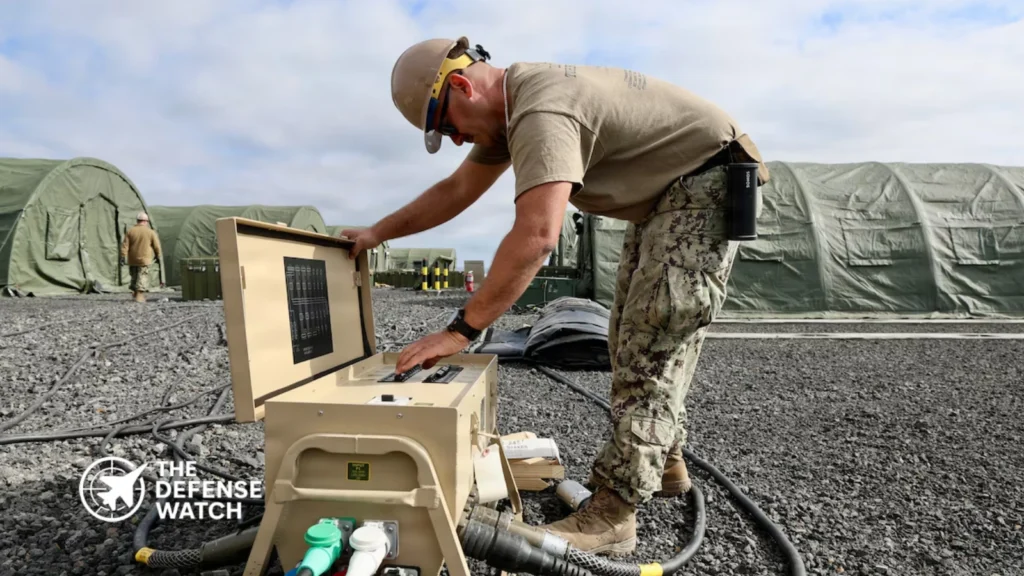
Expeditionary construction is another component of the exercise. Such capabilities can support the rapid establishment, repair or adaptation of facilities needed to sustain military and emergency operations in austere environments.
Iceland’s Strategic Position in the North Atlantic
The strategic importance of Iceland is closely tied to geography.
Iceland sits between North America and Europe and near the maritime approaches connecting Greenland, Iceland and the United Kingdom. That position gives the country importance for monitoring and supporting activity across the North Atlantic.
The U.S.-Iceland defense agreement was signed on May 5, 1951, under the broader framework of the North Atlantic Treaty. Historical U.S. government records state that the agreement provided for U.S. arrangements for Iceland’s defense on behalf of NATO and established rights for U.S. military operations and facilities in the country.
The defense relationship has changed considerably since the Cold War. The United States ended permanent military basing at Naval Air Station Keflavik in 2006 while maintaining its commitment to Iceland’s defense and continuing security cooperation focused on Iceland and the North Atlantic.
That shift makes exercises particularly important. Rather than relying on a permanently stationed U.S. force, the current model depends heavily on the ability to deploy forces rapidly, establish command relationships and integrate them with Icelandic and allied capabilities.
Data Integration and AI-Enabled Command and Control
Northern Viking 2026 also highlights a broader change in how NATO forces approach command and control.
The exercise is designed to integrate data streams in real time and employ artificial intelligence-enabled decision support tools. The objective is to improve commanders’ ability to understand rapidly changing conditions and make decisions at the pace required in a modern conflict.
This is a significant operational challenge.
Modern maritime operations can generate large volumes of information from aircraft, ships, satellites, sensors, intelligence systems and command networks. The difficulty is not simply collecting additional data. Forces must determine which information is relevant, establish a common operational picture and distribute usable information to commanders without overwhelming decision-makers.
Exercises such as Northern Viking allow NATO forces to test those processes under realistic conditions.
The emphasis on command and control also connects Northern Viking to NATO’s broader effort to improve interoperability across national forces. A technologically advanced platform provides limited operational value if it cannot reliably exchange information with allied systems or operate within a coalition command structure.
What Northern Viking Means for U.S. and NATO Strategy
The most important feature of Northern Viking 2026 is the combination of geography, multinational forces and multiple mission sets.
The exercise links Iceland’s national defense arrangements with NATO’s collective defense architecture while testing capabilities that would be relevant to both military and civilian contingencies.
For the United States, the exercise reinforces the role of the North Atlantic as a strategic link between North America and Europe. For European allies, it provides an opportunity to practice operating together in a region where maritime awareness, reinforcement routes and command-and-control connectivity are essential.
The exercise also reflects an evolving NATO defense model in which European allies are expected to assume greater responsibility for deterrence and defense in the European theater while maintaining close operational links with U.S. forces.
Northern Viking does not by itself establish a new force posture in Iceland. Its value is more practical: it tests whether existing agreements, forces, communications systems and procedures can function together under demanding conditions.
That distinction matters. Defense agreements provide the legal and political framework for cooperation, but exercises determine whether military organizations can translate those commitments into effective operations.
75 Years of an Evolving Defense Partnership
The 1951 agreement emerged during the early Cold War, when NATO was developing a collective defense structure and Iceland’s geographic position was already viewed as strategically important. U.S. historical records document the agreement as a mechanism through which the United States would provide for Iceland’s defense on behalf of NATO.
Seventy-five years later, the operating environment is substantially different.
The emphasis has moved from maintaining a permanent Cold War military presence toward flexible deployments, multinational exercises, maritime surveillance, crisis response and multidomain command and control.
Northern Viking 2026 illustrates that evolution.
By combining antisubmarine warfare, mine countermeasures, emergency response, expeditionary support and data-enabled command and control, the exercise demonstrates how the U.S.-Iceland relationship has adapted to contemporary NATO requirements.
The broader objective remains consistent: maintaining the ability of the United States, Iceland and their allies to work together to protect the North Atlantic and keep the transatlantic connection open.
Northern Viking 2026 at a Glance
| Category | Details |
|---|---|
| Exercise | Northern Viking 2026 |
| Lead | U.S. 6th Fleet |
| Host | Icelandic Coast Guard |
| Location | Iceland and surrounding North Atlantic operating areas |
| Dates | Aug. 22 to Sept. 3, 2026 |
| Main focus | NATO interoperability and contingency readiness |
| Key missions | Antisubmarine warfare, mine countermeasures, search and rescue, medical response, disaster response |
| Command focus | Multidomain command and control, real-time data integration and AI-enabled decision support |
| Strategic area | North Atlantic, including approaches between Greenland, Iceland and the United Kingdom |
| Historical significance | 75th anniversary of the 1951 U.S.-Iceland defense agreement |