Executive Summary:
Germany will deploy a Patriot air and missile defense battery to southeast Turkey starting late June 2026 for approximately six months, according to Turkish and German officials. The deployment, involving around 150 Bundeswehr soldiers, replaces a U.S. unit and operates under NATO’s Integrated Air and Missile Defence framework. It aims to sustain enhanced air defense coverage amid ongoing regional instability following missile threats linked to the Iran conflict.
Germany is set to deploy a Patriot air defense system to southeast Turkey, reinforcing NATO’s southeastern flank at a time of heightened regional tensions. Turkish Defense Ministry officials confirmed the move on May 20, 2026, noting that the German system will replace one of the additional Patriot batteries deployed earlier in response to missile activity from Iran.
The deployment underscores NATO’s commitment to collective defense and rotational burden-sharing among allies. It comes months after the alliance activated enhanced air defenses in Turkey, including U.S. Patriots positioned near the Kurecik NATO radar base in Malatya province.
Operational Details and Timeline
According to statements from both Ankara and Berlin, the German Patriot Air and Missile Defense Task Force (AMD TF) will consist of approximately 150 soldiers from Flugabwehrraketengeschwader 1, based in Husum, northern Germany. The unit is scheduled to begin operations at the end of June 2026 and remain through September, aligning with a six-month rotation period cited by Turkish authorities.
This rotation maintains continuity alongside the existing Spanish Patriot system already in Turkey. The German contingent will coordinate closely with Turkish forces and remaining U.S. assets under NATO command. Security evaluations will continue in parallel with allied partners.
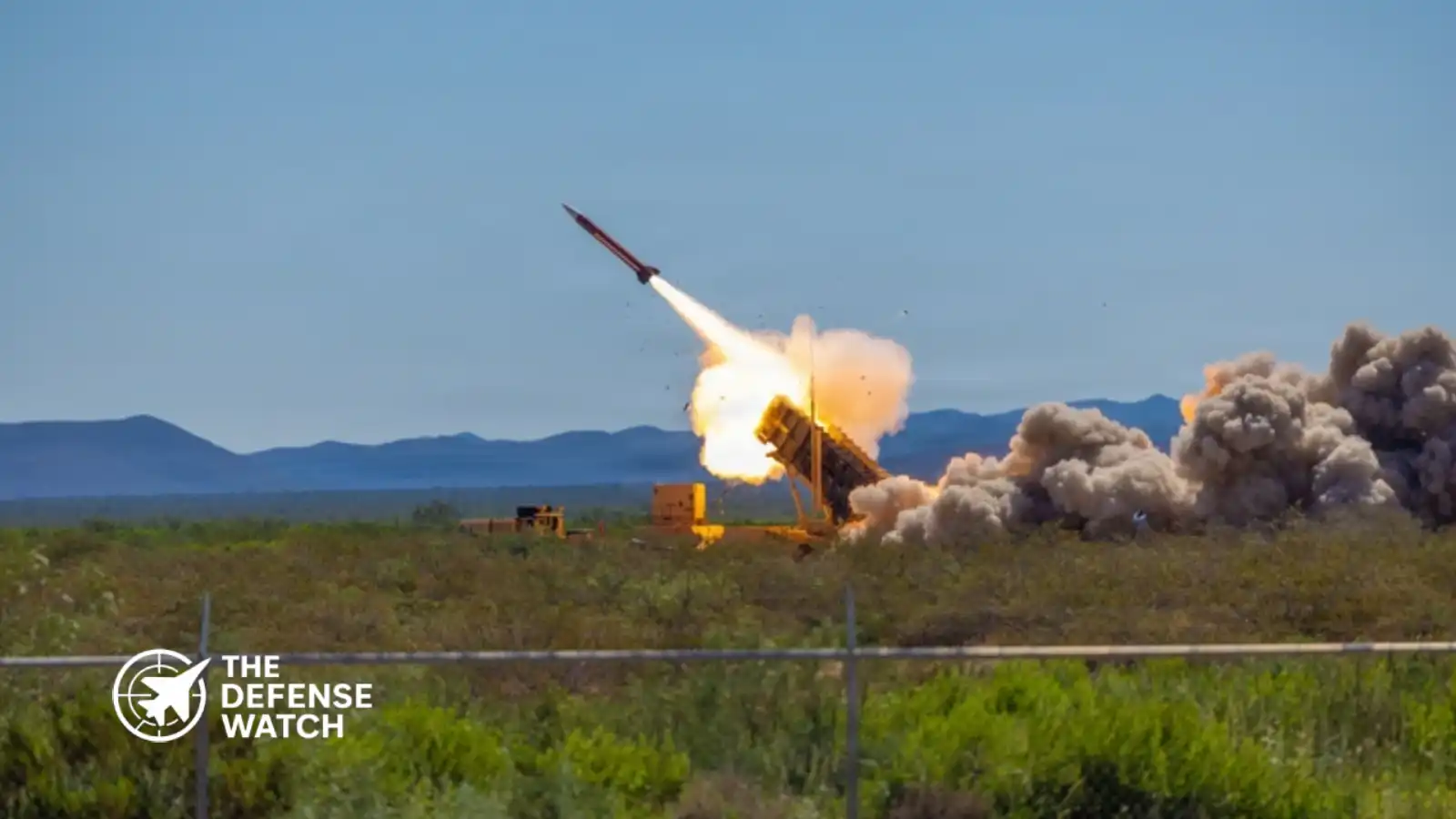
Feature Image Suggestion: High-resolution photo of a Patriot missile launcher in operational deployment, preferably showing German or NATO markings in a field setting, with clear sky and radar elements for visual impact.
Strategic Context: NATO’s Southeastern Flank
The move follows Iranian ballistic missile launches toward Turkish territory earlier in 2026, during heightened conflicts involving the U.S., Israel, and Iran. NATO defenses, including Patriots, successfully intercepted incoming missiles, demonstrating the system’s role in real-world theater ballistic missile defense.
Turkey, home to NATO’s second-largest army, has invested heavily in indigenous defense capabilities but continues to rely on allied systems for high-tier air and missile defense. The Kurecik radar site remains a key alliance asset, providing early warning and tracking data across the region.
This deployment reflects broader NATO efforts to deter threats and reassure frontline allies without permanent basing escalations. Germany’s contribution relieves U.S. forces, allowing Washington to manage global commitments while sustaining NATO’s integrated air and missile defense (IAMD) posture.
Analysis: Burden-Sharing and Capability Implications
From a defense policy perspective, Germany’s decision to rotate a Patriot battery demonstrates tangible progress in European NATO contributions to out-of-area and flank security. Historically, Germany has participated in similar rotations (notably in 2013-2015), but current deployments occur against a more complex threat environment that includes ballistic missiles from state actors.
The Patriot system—primarily the PAC-2/PAC-3 variants in NATO service—provides layered defense against aircraft, cruise missiles, and short- to medium-range ballistic threats. Its deployment here helps close temporary capability gaps in Turkey’s integrated air defense while signaling alliance solidarity. Operationally, rotating units every few months maintains readiness, prevents fatigue, and allows different allies to gain valuable deployment experience in a live strategic environment.
For the U.S., this rotation frees assets that could support other priorities, such as Indo-Pacific deterrence or ongoing operations elsewhere. For Turkey, it augments national defenses without requiring immediate procurement of additional foreign systems, though Ankara continues long-term efforts toward greater self-reliance in air defense.
This action fits into NATO’s evolving IAMD concept, which emphasizes interoperability, data sharing, and rapid response. Success here could inform future rotations or exercises, particularly as the alliance monitors developments in the Middle East and Black Sea regions.
Potential challenges include logistical coordination for the move of heavy equipment, force protection in a seismically active and geopolitically sensitive area, and ensuring seamless handover to minimize coverage gaps. Weather, integration with Turkish command systems, and rules of engagement will require careful management.
Broader Geopolitical Relevance
The timing aligns with diplomatic activities, including discussions around a potential NATO summit in Ankara. It reinforces NATO’s Article 5 commitments while avoiding direct escalation. Germany’s participation also highlights Berlin’s shifting defense posture following years of increased spending and modernization pledges.
Turkey’s acceptance of the deployment further illustrates pragmatic cooperation within the alliance despite occasional political differences.
- â–º Denmark has formally ordered the SAMP/T NG ground-based air and missile defense system from the Eurosam consortium.
- â–º The system, co-developed by France and Italy (MBDA, Thales, Leonardo), uses Aster 30 B1/B1NT missiles to intercept aircraft, cruise missiles, and short- to medium-range ballistic threats.
- â–º This acquisition provides Denmark with its first dedicated land-based theater air defense capability, filling a major gap in national and NATO northern flank protection.
- â–º Selection of SAMP/T NG (French variant) was confirmed in September 2025; the March 2026 order announcement advances the procurement process within Denmark’s multi-billion kroner air defense modernization program.
- ► Upgrades include the Thales Ground Fire 300 AESA radar, enhanced C2, and full NATO interoperability, with first deliveries expected in the 2026–2027 timeframe for evaluation and integration.
Denmark Advances Missile Defense Capabilities with SAMP/T NG Acquisition
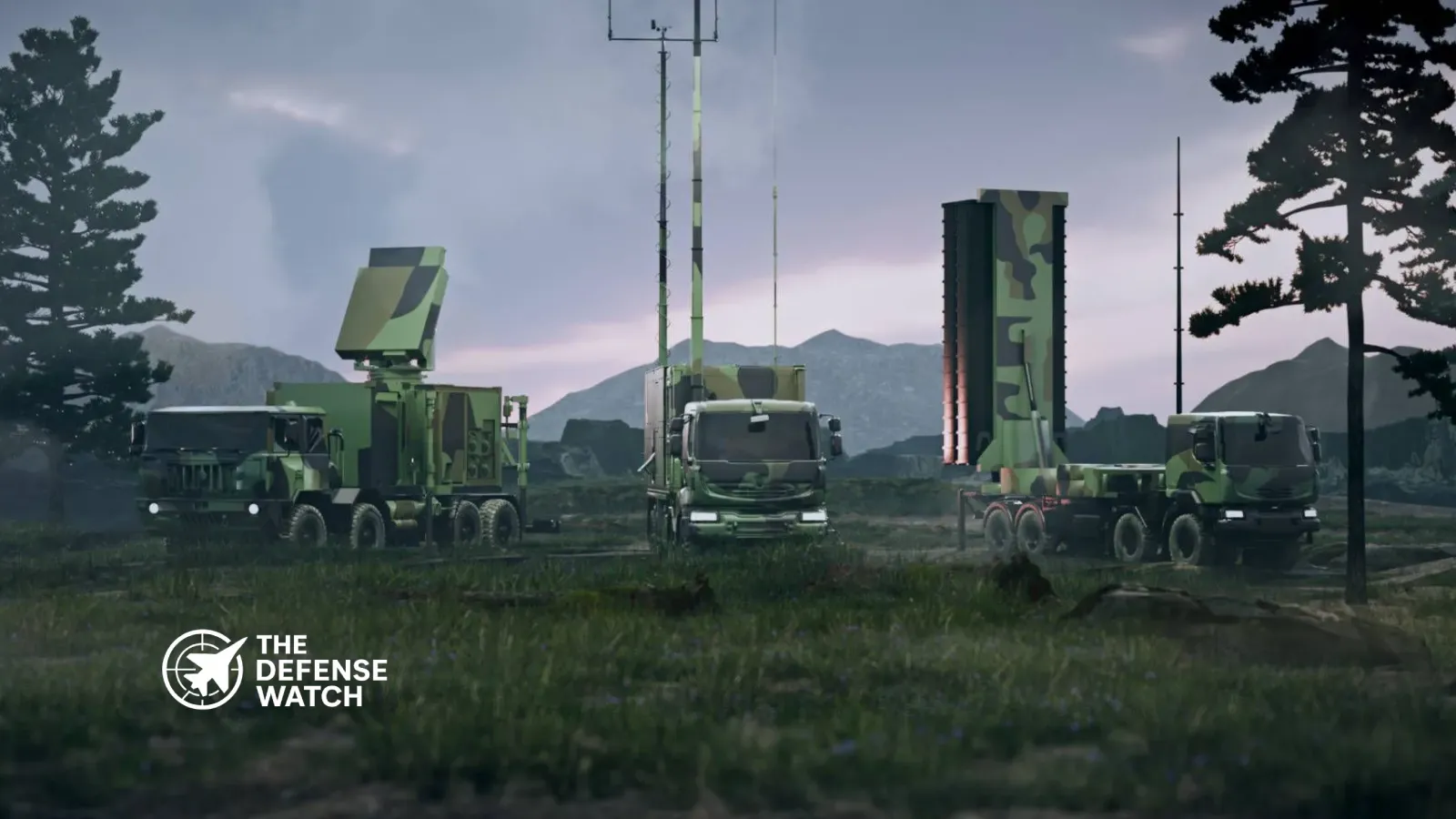
Denmark has ordered the SAMP/T NG air defense missile systems, a significant step in addressing evolving ballistic threats and reinforcing its role within NATO’s integrated air and missile defense framework.
The announcement, detailed in reports from March 2, 2026, highlights Denmark’s strategic pivot toward advanced ground-based theater-level protection. This acquisition provides Copenhagen with the ability to intercept a range of threats, including cruise missiles, sophisticated combat aircraft, and short- to medium-range ballistic missiles.
Developed by the Eurosam consortium—a partnership between MBDA (France and Italy) and Thales, with contributions from Leonardo—the SAMP/T NG represents an evolution from the original SAMP/T systems operational in France and Italy since the 2010s. Key upgrades include the Aster 30 Block 1NT interceptor, featuring a new Ka-band seeker and refined discrimination algorithms to handle maneuvering reentry vehicles and countermeasures effectively.
Complementing this is the Thales Ground Fire 300 AESA radar, delivering 360-degree coverage, extended detection ranges, rapid refresh rates, and superior multi-target tracking in high-saturation environments. The system’s redesigned engagement module, enhanced command-and-control with boosted processing and cybersecurity, and improved interoperability align it closely with NATO architectures, facilitating coordination with platforms like Patriot, NASAMS, and Aegis Ashore.
French Defense Minister Catherine Vautrin confirmed the order on February 26, 2026, describing it as a “landmark” development. She noted parallel discussions with Romania and Greece, signaling broader European adoption of the Franco-Italian system amid concerns over advanced missile arsenals.
This move comes as Denmark builds a multi-layered air defense network, following its September 2025 selection of SAMP/T NG over the U.S. Patriot PAC-3 for long-range needs. Part of a larger approximately $9.1 billion investment in eight long- and medium-range systems, the procurement addresses gaps exposed by conflicts like Ukraine, where mixed missile salvos challenged existing defenses.
Previously reliant primarily on fighter aircraft such as the F-35 for air defense, Denmark lacked robust ground-based theater interception. The SAMP/T NG fills this void, protecting critical infrastructure, air bases, naval ports, and command centers while supporting territorial defense across the Danish Straits and northern approaches.
The system’s modular design enables faster emplacement, shoot-and-scoot mobility, and flexible battery configurations, suiting high-intensity scenarios. It strengthens European defense industrial cooperation, bolstering Eurosam’s production and reducing reliance on non-European suppliers while maintaining transatlantic interoperability.
In the context of heightened tensions in the Baltic region and High North—driven by Russian capabilities—Denmark’s investment enhances NATO deterrence on the northern flank. It contributes to alliance burden-sharing and promotes harmonized missile defense standards within the European pillar of NATO.
As deliveries, training, and integration proceed (exact timelines not disclosed), the SAMP/T NG positions Denmark to transition toward a resilient, digitally integrated shield against complex aerial and missile threats.