Seven Most Dominant Combat Aircraft Shaping Modern Warfare in 2026
The equation for air dominance has fundamentally transformed over the past two decades. Where maximum velocity once determined supremacy, today’s combat aircraft must excel across multiple dimensions—sensor fusion, electronic warfare capabilities, payload flexibility, network-centric operations, and sustained operational tempo. These seven platforms currently represent the cutting edge of manned military aviation, each dominating distinct aspects of contemporary aerial warfare.
(adsbygoogle = window.adsbygoogle || []).push({});Modern air power assessment requires evaluating how platforms perform across the full spectrum of conflict scenarios, from high-intensity peer confrontations to extended expeditionary operations. The aircraft examined here don’t merely fly faster or carry more weapons—they fundamentally reshape how air forces project power, gather intelligence, and control contested battlespace.
The New Mathematics of Air Power
Traditional metrics like top speed and service ceiling no longer capture what makes a combat aircraft truly formidable. Instead, military aviation experts now evaluate effectiveness through operational availability rates, sensor detection ranges, data-link integration, weapons standoff distance, and the ability to operate within integrated air defense systems.
This analytical framework reveals why platforms with seemingly modest specifications can prove more operationally decisive than aircraft with impressive performance statistics. The F-35 Lightning II, for instance, prioritizes information superiority over raw kinematic performance, yet consistently demonstrates combat effectiveness that exceeds more physically capable designs.
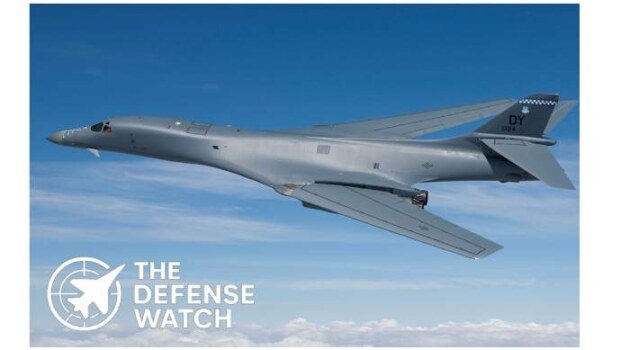
Boeing B-1B Lancer: Conventional Strike Supremacy
The B-1B Lancer continues serving as America’s premier heavy bomber for conventional strike operations, despite entering service during the Cold War era. Four turbofan engines deliver over 120,000 pounds of thrust, enabling the platform to transport up to 75,000 pounds of munitions across intercontinental ranges yahoo—a weapons payload capacity unmatched by any other operational combat aircraft.
Recent upgrades have extended the B-1B’s service life and enhanced its precision strike capabilities. The Integrated Battle Station modification improved avionado displays and mission planning systems, while the Sustainment Block 16 upgrade integrated advanced Link 16 communications and upgraded defensive systems. These enhancements ensure the Lancer remains relevant despite emerging next-generation bomber programs.
The platform’s variable-sweep wing configuration allows optimal performance across diverse flight regimes, from low-altitude terrain-following penetration to high-altitude cruise. While lacking the radar-evading characteristics of newer stealth platforms, the B-1B employs electronic countermeasures and terrain-masking flight profiles to operate within contested environments.
(adsbygoogle = window.adsbygoogle || []).push({});Current operational doctrine emphasizes the B-1B’s rapid response capabilities. The bomber can deliver precision-guided munitions with minimal advance notice, providing theater commanders with responsive long-range strike options. This flexibility proved invaluable during counter-terrorism operations throughout the Middle East and continues supporting U.S. strategic deterrence postures across multiple theaters.
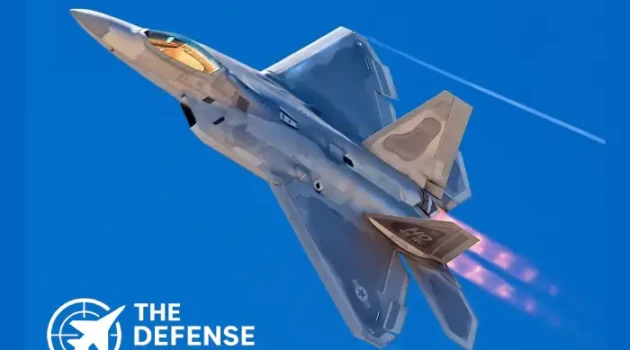
Lockheed Martin F-22 Raptor: The Air Superiority Benchmark
Two decades after initial operational capability, the F-22 Raptor remains the world’s premier air superiority fighter. The aircraft achieves a thrust-to-weight ratio exceeding 1.25, enabling exceptional acceleration, vertical climb performance, and sustained supercruise without afterburner engagement. Combined with thrust-vectoring nozzle control, the F-22 maintains unmatched maneuverability across all flight regimes.
The Raptor’s stealth characteristics provide asymmetric advantages in contested airspace. Its carefully designed radar cross-section allows engagement of adversary aircraft before detection, fundamentally altering beyond-visual-range combat dynamics. Adversaries face the psychological challenge of operating against an opponent they cannot reliably track or target.
Advanced sensor fusion represents another critical Raptor capability. The AN/APG-77(V)1 active electronically scanned array radar provides exceptional target detection and tracking while maintaining low-probability-of-intercept characteristics. Integration with the AN/AAR-56 missile launch detection system and AN/ALR-94 electronic warfare suite creates comprehensive situational awareness unmatched by fourth-generation platforms.
(adsbygoogle = window.adsbygoogle || []).push({});Recent modernization efforts focus on extending F-22 relevance through the 2030s and beyond. The Raptor’s service life has been projected through careful structural management, while software upgrades continuously expand weapons integration and networking capabilities. However, production termination at just 187 operational aircraft creates capacity constraints that limit how aggressively the platform can be employed during peacetime training operations.
Boeing F-15EX Eagle II: Arsenal Aircraft Concept Realized
The F-15EX represents a different philosophy—maximizing combat effectiveness through weapons capacity rather than stealth. With 23 hardpoints capable of carrying nearly 30,000 pounds of ordnance, the platform functions as a flying weapons magazine. This unprecedented payload capacity enables entirely new operational concepts.
The Eagle II can deploy massed long-range air-to-air missiles, creating defensive barriers across vast airspace volumes. Alternatively, it can deliver extensive air-to-ground munitions in single-pass strikes, reducing exposure time over defended territory. This flexibility makes the F-15EX particularly valuable for operations where stealth penetration isn’t required but overwhelming firepower proves decisive.
Advanced avionics distinguish the F-15EX from earlier Eagle variants. The AN/APG-82(V)1 AESA radar provides detection ranges approaching 200 nautical miles against fighter-sized targets, while the ADCP-II mission computer processes sensor data at unprecedented rates. Digital fly-by-wire flight controls replace the mechanical systems of earlier F-15 variants, improving handling characteristics and reducing pilot workload.
The platform’s open mission systems architecture facilitates rapid capability upgrades without extensive redesign efforts. This adaptability ensures the F-15EX can integrate emerging weapons and sensors as they become available, extending operational relevance well into the 2050s. For the U.S. Air Force, the Eagle II provides combat mass to complement smaller fifth-generation fighter inventories.
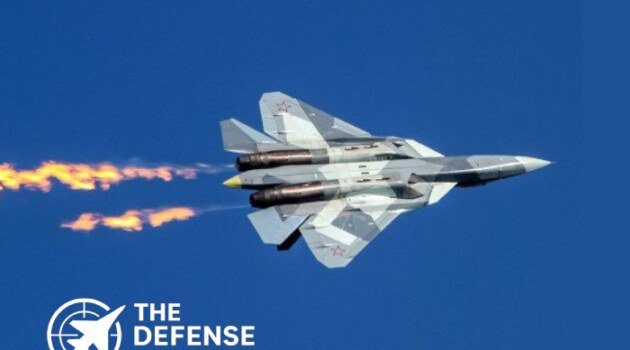
(adsbygoogle = window.adsbygoogle || []).push({});Sukhoi Su-57: Russian Stealth Doctrine
Russia’s Su-57 embodies a fundamentally different approach to fifth-generation fighter design. Advanced three-dimensional thrust-vectoring engines enable extreme high-angle attack maneuvers that Western fighters struggle to match yahoo, prioritizing close-range combat effectiveness over stealth optimization.
The platform’s radar cross-section reduction represents a compromise between low observability and other performance parameters. Rather than accepting the aerodynamic penalties associated with comprehensive stealth shaping, Russian designers pursued enhanced maneuverability and sensor capabilities. This philosophy reflects operational doctrines emphasizing shorter-range engagements within integrated air defense coverage.
The Su-57’s advanced sensors include the N036 Byelka radar system, featuring multiple X-band AESA arrays providing 360-degree coverage. Side-mounted arrays enable superior situational awareness compared to nose-only radar configurations. Integration with the 101KS Atoll infrared search and track system provides passive target detection capabilities that complement active radar operations.
Production has proceeded more slowly than initially projected, with operational inventory remaining limited. However, recent combat employment over Syria demonstrated basic operational capability, while continued development suggests eventual larger-scale deployment. The platform’s ultimate impact depends substantially on production rates and export success.
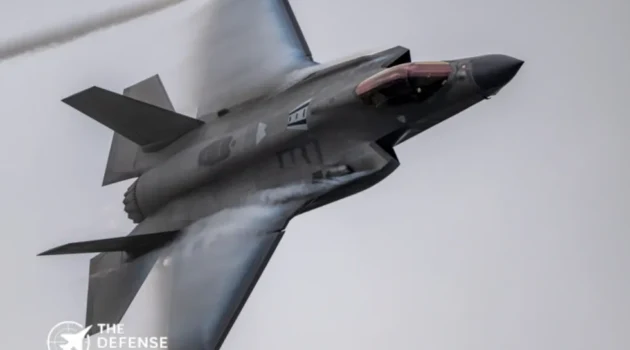
Lockheed Martin F-35 Lightning II: Network-Centric Warfare Enabled
The F-35 represents perhaps the most transformative platform currently operational. Rather than emphasizing raw performance, the aircraft prioritizes information dominance through sensor fusion that combines radar, infrared, and electronic warfare data yahoo, creating unprecedented situational awareness.
This sensor integration allows single aircraft to detect, classify, and track dozens of targets simultaneously while sharing that information across networked forces. The F-35 essentially functions as an airborne intelligence node, multiplying the effectiveness of entire formations. Even non-stealthy legacy aircraft gain survivability when operating alongside F-35s that provide early warning and targeting data.
Three distinct variants address different service requirements. The F-35A conventional takeoff and landing version serves air force missions, while the F-35B short takeoff/vertical landing variant enables operations from amphibious assault ships and austere forward locations. The F-35C carrier variant features larger wings and reinforced structure for arrested carrier landings.
(adsbygoogle = window.adsbygoogle || []).push({});Despite early developmental challenges and cost overruns, the F-35 program has matured substantially. Recent software upgrades expanded weapons integration, improved reliability, and enhanced electronic warfare capabilities. International participation from numerous allied nations creates a large user base driving continued capability improvements and reducing lifecycle costs through economies of scale.
Eurofighter Typhoon: European Multi-Role Excellence
The Eurofighter Typhoon represents European aerospace collaboration, developed jointly by the United Kingdom, Germany, Italy, and Spain. Twin engines provide excellent acceleration and sustained supersonic performance, with aerodynamic design optimized for transonic combat regimes where most aerial engagements occur.
The platform’s delta-wing canard configuration provides exceptional maneuverability while maintaining structural efficiency. Advanced fly-by-wire flight control allows operation throughout the aerodynamic envelope, automatically preventing departure from controlled flight. This computer-assisted handling enables pilots to focus on tactical decision-making rather than basic aircraft control.
Continuous capability upgrades have expanded Typhoon effectiveness since initial deployment. The Captor-E AESA radar provides superior detection ranges and electronic warfare resistance compared to earlier mechanically-scanned antennas. Integration with the Meteor beyond-visual-range air-to-air missile gives Eurofighter operators engagement capabilities rivaling any potential adversary.
Recent export successes demonstrate international confidence in Typhoon capabilities. Nations including Saudi Arabia, Oman, Kuwait, and Qatar have selected the platform, creating an expanding user base that shares development costs for future enhancements. This international participation ensures continued relevance as European air forces transition toward next-generation fighter programs.
(adsbygoogle = window.adsbygoogle || []).push({});Mikoyan MiG-31 Foxhound: Extreme-Speed Interception
The MiG-31 occupies a unique niche as the world’s fastest operational combat aircraft. Capable of reaching nearly Mach 3, the platform features extensive radar coverage and long-range missile armament allowing target engagement at distances exceeding hundreds of kilometers yahoo.
This extreme performance serves specific operational requirements—primarily defending Russia’s vast airspace against cruise missiles, reconnaissance aircraft, and strategic bombers. The platform’s powerful radar can detect targets at extreme ranges, while high-speed interception capabilities enable rapid response across enormous territories.
Unlike maneuver-focused fighters, the MiG-31 prioritizes detection range and weapons reach over dogfighting performance. Its massive Zaslon radar system provides look-down/shoot-down capabilities against low-altitude targets, while integration with ground-based air defense networks enables coordinated defensive operations across theater-wide areas.
Recent modernization efforts focus on extending MiG-31 service life and enhancing weapons integration. The MiG-31BM variant features upgraded avionics, improved radar capabilities, and integration with modern long-range air-to-air missiles. Reports suggest the platform may also serve as a hypersonic missile carrier, adding strategic strike capabilities to its traditional interception role.
Strategic Implications and Future Trajectories
These seven platforms collectively represent distinct national approaches to air power. American designs emphasize stealth, sensor integration, and network-centric operations. Russian platforms prioritize maneuverability and long-range engagement. European aircraft balance multi-role flexibility with cost-effective operational sustainability.
The diversity of approaches reflects differing strategic requirements and operational doctrines. Nations with extensive overseas commitments require long-range strike capabilities and expeditionary flexibility. Continental powers defending vast territories emphasize rapid response and sustained patrol endurance. Regional powers seek cost-effective platforms providing credible deterrence against potential adversaries.
(adsbygoogle = window.adsbygoogle || []).push({});Looking forward, all these platforms face eventual replacement by next-generation systems. The United States is developing the Next Generation Air Dominance (NGAD) family of systems, combining manned fighters with autonomous collaborative aircraft. European nations are pursuing the Future Combat Air System (FCAS) and Tempest programs. China continues advancing its J-20 stealth fighter and developing complementary platforms.
However, these current-generation aircraft will remain operationally relevant for decades. Continuous upgrades extending capabilities, improving reliability, and integrating new weapons ensure these platforms adapt to evolving threats. The combination of proven designs, mature logistics infrastructure, and established training pipelines provides enduring value even as newer systems enter service.
Operational Realities Beyond Specifications
Raw performance specifications provide incomplete pictures of actual combat effectiveness. Operational availability rates, maintenance requirements, logistics sustainability, and pilot proficiency ultimately determine how platforms perform during sustained operations.
The F-22’s superior capabilities mean little if maintenance requirements limit availability to 50% of the fleet. The Su-57’s impressive specifications remain largely theoretical until production provides sufficient numbers for meaningful operational deployment. The F-35’s sensor advantages depend on software maturity and networked connectivity that require extensive supporting infrastructure.
(adsbygoogle = window.adsbygoogle || []).push({});These practical considerations explain why older platforms like the B-1B and MiG-31 remain valuable despite their age. Mature logistics chains, experienced maintenance personnel, and well-developed operational procedures provide reliability that partially offsets technological disadvantages. Nations often prefer proven systems with known capabilities over cutting-edge platforms still working through developmental challenges.
The Human Element in Advanced Aviation
Despite increasing automation, pilot skill remains central to combat aircraft effectiveness. The most advanced sensors and weapons provide limited value without operators capable of exploiting those capabilities under combat stress. Training quality, operational experience, and tactical doctrine development often prove as important as hardware specifications.
(adsbygoogle = window.adsbygoogle || []).push({});This human dimension explains performance variations even among operators flying identical aircraft. Nations investing heavily in realistic training, regular exercises against diverse opponents, and continuous tactical development extract greater effectiveness from their platforms. Conversely, limited training budgets and restricted flying hours degrade capability regardless of hardware quality.
The most successful air forces combine advanced platforms with comprehensive training systems. High-fidelity simulators enable extensive tactical development without aircraft flight hour expenditure. Realistic exercise programs against capable adversaries refine tactics and build pilot experience. Rigorous selection and training pipelines ensure only highly qualified individuals operate these sophisticated systems.
FAQs
What makes an aircraft “powerful” in modern military aviation?Modern air power combines multiple factors: stealth characteristics, sensor capabilities, weapons payload, operational range, maneuverability, and network integration. No single metric defines overall effectiveness—platforms excel in different operational scenarios based on their specific design priorities.
Why does the U.S. Air Force continue operating the B-1B despite its age?The B-1B provides unmatched conventional weapons payload capacity and rapid response strike capabilities. Recent modernization programs have extended its service life and upgraded mission systems, ensuring continued relevance until next-generation bombers achieve full operational capability.
How does the F-35 compensate for lower speed compared to aircraft like the F-22?The F-35 prioritizes sensor fusion and information dominance over raw kinematic performance. Its advanced targeting systems, stealth characteristics, and networking capabilities allow engagement of adversaries before they achieve firing positions, making extreme speed less critical for mission success.
What advantages does thrust vectoring provide to aircraft like the Su-57?Thrust vectoring enables extreme angle-of-attack maneuvers and enhanced control at low airspeeds, providing advantages during close-range visual combat. This capability allows aircraft to point weapons at opponents even when not flying directly toward them, expanding tactical options during dogfights.
Will manned fighters become obsolete with advancing drone technology?While autonomous systems continue advancing, manned fighters retain advantages in complex decision-making, adaptability to unexpected situations, and human judgment during rules-of-engagement determinations. Future air forces will likely employ mixed formations combining manned aircraft with autonomous collaborative platforms.
Why do different nations pursue such varied fighter designs?Strategic requirements, operational doctrines, defense budgets, and technological capabilities vary significantly between nations. Countries with extensive overseas commitments prioritize different characteristics than continental powers defending large territories, leading to diverse platform designs optimized for specific missions.

U.S. Army Fast-Tracks Drone and Laser Programs
The U.S. Army is accelerating efforts to strengthen its unmanned aerial capabilities by fast-tracking the procurement of up to 1 million drones while investing heavily in high-energy laser weapons to neutralize hostile UAVs. The move comes amid growing concerns over drone threats from near-peer adversaries and non-state actors exploiting inexpensive, commercially available unmanned systems.
According to a report by Stars and Stripes, the Army’s new initiative aligns with the Pentagon’s broader Replicator program, which emphasizes the rapid fielding of low-cost, attritable autonomous systems to counter mass drone swarms. Army officials have described the initiative as essential for maintaining battlefield superiority in future contested environments.
Rapid Drone Acquisition to Bolster Battlefield Intelligence
The Army’s plan to acquire up to a million drones marks one of the largest single procurement drives in modern defense history. These drones—ranging from small quadcopters for reconnaissance to larger armed variants—will serve multiple roles, including surveillance, logistics, target acquisition, and offensive operations.
By rapidly expanding its drone fleet, the Army aims to create a distributed, resilient force structure capable of operating even under heavy electronic warfare or GPS-denied conditions. The push reflects lessons learned from the Russia-Ukraine conflict, where small drones have transformed battlefield awareness and strike precision.
“Speed and scalability are the priorities,” one defense analyst noted. “The Army understands that drone dominance will define who controls the modern battlespace.”
High-Energy Lasers: The Next Line of Defense
In parallel, the Army is intensifying the development of high-energy laser systems designed to destroy or disable incoming UAVs. These directed-energy weapons, integrated onto platforms such as the Stryker and Paladin vehicles, are capable of engaging small drones at the speed of light with minimal cost per shot.
The 50-kilowatt-class DE M-SHORAD (Directed Energy Maneuver-Short Range Air Defense) system is currently being tested to counter multiple drone threats simultaneously. The Army envisions deploying these systems across forward bases and combat brigades to provide layered air defense against swarm attacks.
Laser weapons offer a sustainable countermeasure, addressing the rising cost imbalance where adversaries can field cheap drones against expensive interceptors. Unlike conventional missiles, laser systems promise deep magazines and near-zero resupply requirements.
Integrating AI and Autonomy for Smarter Warfare
The Army’s new approach to drone warfare also emphasizes AI-driven autonomy for faster decision-making and reduced human workload. Advanced algorithms will enable swarming behaviors, precision navigation in GPS-denied zones, and cooperative targeting between manned and unmanned systems.
Programs like the Future Tactical Unmanned Aircraft System (FTUAS) and Launched Effects initiative are already exploring ways to pair manned helicopters and ground units with autonomous drone teams. These systems will enhance the Army’s multi-domain operations framework, ensuring soldiers have persistent surveillance, communication, and strike options in complex battle networks.
Analysis: Strategic Shift Toward Unmanned and Directed-Energy Warfare
The Army’s dual investment in drone mass-production and laser-based defense reflects a strategic transformation in U.S. defense posture. As adversaries leverage cheap UAVs for reconnaissance and attacks, the U.S. military must adapt with scalable, cost-effective countermeasures.
This development underscores the Pentagon’s recognition that future conflicts will be drone-centric, with electronic warfare, AI, and directed energy shaping tactical and strategic outcomes. For the U.S. defense industry, it signals a pivot toward rapid prototyping, modular design, and private-sector collaboration—a model similar to Ukraine’s agile innovation during wartime.
Internationally, these initiatives could influence allied defense strategies, pushing NATO and Indo-Pacific partners to adopt similar drone–laser integration models to maintain technological parity with rivals like China and Russia.
Conclusion: A New Era of Technological Defense Superiority
The U.S. Army’s rapid drone procurement and laser weapon programs mark a decisive step toward achieving technological dominance in modern warfare. As production scales and directed-energy systems mature, the Army aims to establish an adaptable, self-sustaining force capable of countering evolving air threats in any theater.
By blending speed, innovation, and autonomy, the initiative not only strengthens national defense but also sets a precedent for the next generation of military modernization—where drones and lasers define the battlefield of tomorrow.
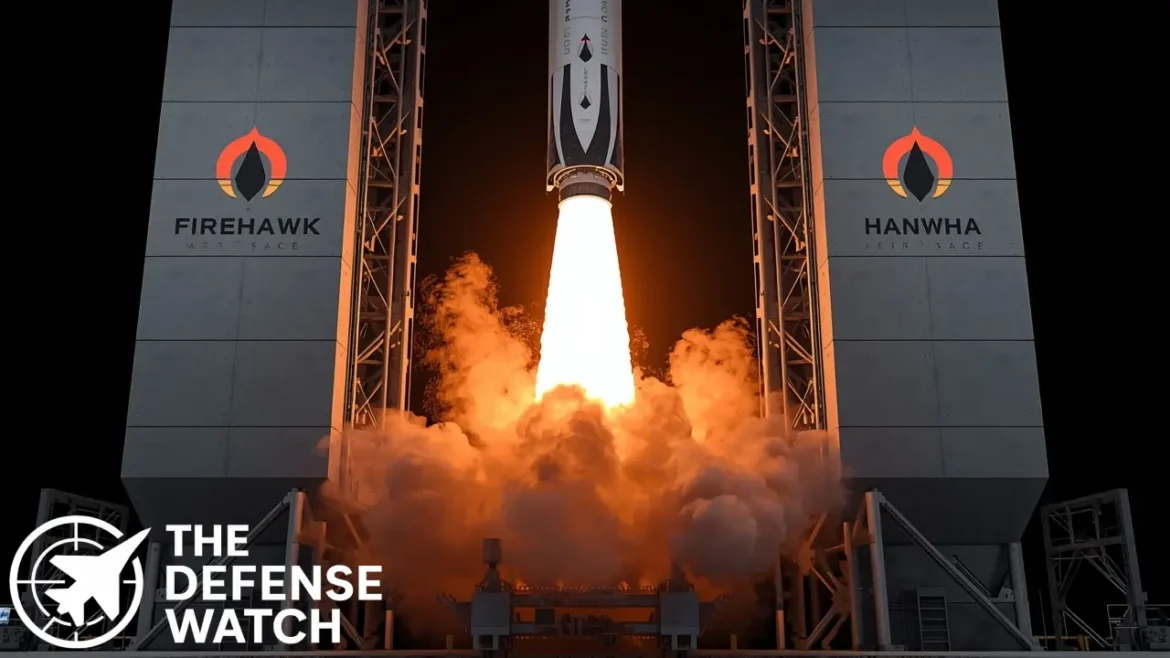
Firehawk Aerospace Gains Strategic Investment from Hanwha Aerospace
U.S.-based Firehawk Aerospace has secured a major investment from Hanwha Aerospace, the South Korean defense and propulsion company, marking a significant milestone in the evolution of gel-fueled rocket engine technology. The partnership is poised to enhance propulsion innovation for U.S. defense and space applications, underscoring the growing trend of cross-border collaboration in next-generation aerospace systems.
Hanwha’s Strategic Investment
Hanwha Aerospace, part of the Seoul-based Hanwha Group, has steadily expanded its global footprint in aerospace and defense manufacturing. Its investment in Firehawk reflects South Korea’s strategic aim to strengthen cooperation with U.S. defense startups specializing in propulsion and hypersonic technologies.
Although the funding amount was not disclosed, the partnership is expected to focus on scaling Firehawk’s hybrid rocket engine systems, which utilize gel propellants—a safer and more efficient alternative to traditional solid or liquid fuels. Gel fuels offer enhanced control, storability, and performance, making them highly attractive for reusable launch systems and tactical missile applications.
Advancing Gel-Fueled Rocket Technology
Founded in 2019, Firehawk Aerospace has emerged as a U.S. leader in additive manufacturing (3D printing) for hybrid rocket engines. The company’s technology enables rapid prototyping, reduced production costs, and improved mission flexibility for both defense and commercial launch programs.
By combining Firehawk’s proprietary hybrid propulsion with Hanwha’s manufacturing and systems integration expertise, the collaboration could accelerate the maturation of gel-based propulsion systems suitable for hypersonic platforms, tactical strike systems, and space launch vehicles.
Strengthening U.S. Defense and Space Capabilities
This partnership aligns closely with U.S. defense priorities to bolster resilient, cost-effective propulsion technologies amid escalating competition in the hypersonic and space domains. The Department of Defense (DoD) and U.S. Space Force have both identified propulsion modernization as a critical need to maintain strategic deterrence and operational flexibility.
Firehawk’s modular engines could support a variety of U.S. programs, from responsive space launch initiatives to autonomous hypersonic testbeds. Meanwhile, Hanwha’s participation offers an opportunity for allied nations to share technological insights and reduce supply-chain dependencies on traditional propulsion contractors.
Global Context and Industry Impact
The Firehawk–Hanwha deal reflects a wider global trend of alliances between defense startups and established international manufacturers. In recent years, Hanwha Aerospace has invested heavily in the United States, including in space propulsion, satellite systems, and advanced munitions.
For Firehawk, the collaboration provides access to capital, advanced materials, and international testing networks, potentially allowing faster certification cycles and operational readiness for defense customers. As the U.S. government increases funding for hypersonic research, the Firehawk-Hanwha partnership could position both companies as key players in the next generation of propulsion solutions.
Analysis: What This Means for U.S. Defense and Technology
The Firehawk-Hanwha collaboration highlights a growing emphasis on innovation through global partnerships within the defense industrial base. For the U.S., it strengthens technological sovereignty while benefiting from allied investments. Firehawk’s gel-fueled propulsion technology offers potential advantages for precision-guided weapons, reusable space systems, and tactical missiles, all areas of increasing importance in U.S. defense planning.
The integration of 3D-printed hybrid engines also underscores the Pentagon’s focus on rapid manufacturing and field adaptability, key attributes for future warfare and deterrence strategies. By leveraging allied cooperation, the U.S. can enhance both industrial resilience and technology agility against peer competitors like China and Russia, who are similarly investing in advanced propulsion and hypersonic capabilities.
Conclusion: Toward a New Era of Rocket Propulsion
As Firehawk Aerospace accelerates its gel-fueled engine development with Hanwha’s backing, the partnership could redefine the trajectory of propulsion innovation in both the defense and commercial sectors. If successful, this collaboration may pave the way for safer, more flexible, and cost-efficient rocket systems, strengthening the U.S. and its allies’ technological edge in space and hypersonic domains.
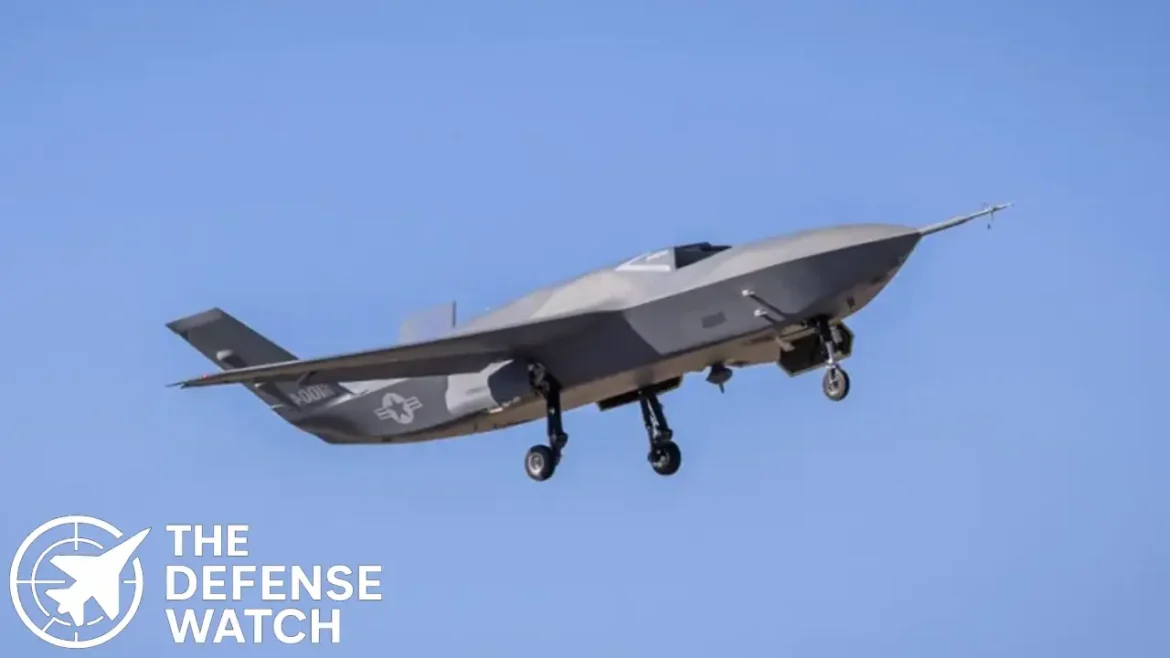
GA-ASI Pushes Ahead with Autonomous Fighter Jet Development
General Atomics Aeronautical Systems, Inc. (GA-ASI) has showcased its latest advances in autonomous fighter aircraft at a defense conference in Rome, reaffirming its commitment to deliver a production-ready uncrewed combat jet to the U.S. Air Force by summer 2025.
The announcement underscores GA-ASI’s expanding role in shaping the future of air warfare through artificial intelligence, autonomy, and collaborative mission capabilities. The company’s initiative aligns with the U.S. Air Force’s Collaborative Combat Aircraft (CCA) program — a key element of the service’s Next Generation Air Dominance (NGAD) strategy.
Pioneering the Next Era of Uncrewed Combat
GA-ASI has long been synonymous with unmanned aerial systems, producing the MQ-9 Reaper, MQ-20 Avenger, and other combat-proven platforms. Its new autonomous fighter concept builds upon decades of experience in AI-driven flight control and sensor fusion.
At the Rome conference, company officials revealed that the fighter is being designed to operate both independently and alongside manned aircraft, serving as a “loyal wingman” to platforms like the F-35 and F-15EX. It will be capable of executing strike, reconnaissance, and electronic warfare missions with minimal human intervention.
“The future of air dominance lies in human-machine teaming,” said a GA-ASI spokesperson. “We’re developing systems that can make real-time decisions, adapt to complex environments, and support pilots in contested airspace.”
Supporting the U.S. Air Force’s CCA Vision
The U.S. Air Force’s CCA program aims to deploy thousands of affordable, semi-autonomous combat drones capable of teaming with fifth- and sixth-generation fighters. GA-ASI’s prototype directly contributes to that vision, joining other industry players such as Boeing and Anduril in a competitive race to define the next generation of uncrewed aerial combat.
According to Air Force officials, the CCA program could see operational deployment before the end of the decade. The service is seeking aircraft that cost a fraction of manned fighters, allowing commanders to field “attritable” assets in high-risk missions.
GA-ASI’s approach focuses on open-architecture autonomy, enabling rapid integration of sensors, weapons, and AI decision systems across multiple mission sets.
Competitive Landscape and Global Context
The push for autonomous fighter jets is not limited to the United States. The United Kingdom’s Tempest program, Australia’s Loyal Wingman (MQ-28 Ghost Bat), and Europe’s FCAS (Future Combat Air System) all include advanced uncrewed elements. GA-ASI’s progress demonstrates the United States’ intent to maintain technological leadership in air combat autonomy.
While Anduril Industries’ YFQ-44A and Boeing’s Ghost Bat projects have captured attention, GA-ASI’s advantage lies in its operational heritage and field-tested command-and-control systems. Its existing platforms have accumulated millions of flight hours in combat zones, providing critical data to refine autonomous decision-making algorithms.
Analysis: What This Means for U.S. Defense and Global Security
GA-ASI’s autonomous fighter jet initiative represents a major step toward distributed and resilient air combat architectures. By reducing reliance on expensive manned aircraft and enabling AI-driven decision support, the U.S. Air Force can expand its operational reach while mitigating pilot risk.
Strategically, this shift supports Washington’s goal of countering near-peer adversaries like China and Russia, both of whom are investing heavily in AI and drone warfare. The introduction of combat-ready autonomous jets by 2025 could tilt the balance of aerial deterrence in favor of the United States, ensuring rapid response and scalable strike capabilities.
Moreover, autonomous systems offer logistical and economic advantages — lower maintenance, modular payloads, and the ability to deploy in swarms for complex missions such as suppression of enemy air defenses (SEAD).
Conclusion: A New Frontier for Air Dominance
General Atomics’ commitment to delivering a production-ready uncrewed fighter jet by mid-2025 signals that autonomous air combat is moving from concept to reality. As the U.S. Air Force refines its CCA roadmap, GA-ASI’s offering could become a cornerstone of next-generation airpower — one that blends human judgment with machine precision.
With defense innovation accelerating globally, the race for air dominance is increasingly defined not by who has the most pilots in the sky, but by who has the smartest aircraft in the air.
Shield AI and HII Demonstrate Seamless AI Integration in Unmanned Surface Vessels
Shield AI and Huntington Ingalls Industries (HII) have announced a significant milestone in autonomous naval technology: the successful integration of Shield AI’s artificial intelligence software into HII’s unmanned surface vessel (USV) platform. The demonstration showcased how AI-driven autonomy can enhance mission execution, navigation, and operational safety across the U.S. Navy’s growing fleet of unmanned systems.
The collaboration builds on the U.S. Navy’s push toward greater autonomy at sea—part of its Unmanned Campaign Framework designed to integrate artificial intelligence, data fusion, and machine learning into distributed maritime operations.
Advancing Autonomous Maritime Operations
According to Shield AI, the test proved that its AI pilot software, known for powering autonomous flight in unmanned aircraft like the MQ-35A V-BAT, can now enable similar autonomous behaviors in maritime environments. The system allows a vessel to perceive surroundings, make navigational decisions, and execute missions with minimal human oversight.
HII, one of America’s largest shipbuilders and defense contractors, provided the USV platform for integration. The successful trial underscores HII’s strategic investment in autonomous and robotic technologies as the Navy accelerates its shift toward manned-unmanned teaming.
“The integration demonstrates the scalability of AI autonomy across domains—air, land, and sea,” said a Shield AI representative. “It’s a step toward a fully networked fleet capable of operating intelligently and collaboratively.”
Strategic Importance for the U.S. Navy
The U.S. Navy has increasingly prioritized unmanned surface vessels as part of its modernization strategy. Programs such as the Medium Unmanned Surface Vessel (MUSV) and Large Unmanned Surface Vessel (LUSV) are aimed at extending naval reach, improving situational awareness, and reducing risks to human crews.
By incorporating Shield AI’s autonomy suite, future naval operations could see a reduction in crewed missions in high-threat environments and expanded operational endurance for unmanned assets. The technology also supports the Navy’s “Distributed Maritime Operations” concept—leveraging autonomous systems to create flexible, resilient battle networks.
HII’s involvement reinforces the company’s commitment to emerging naval technologies. Through its Mission Technologies division, HII has been developing advanced C5ISR (Command, Control, Communications, Computers, Combat Systems, Intelligence, Surveillance, and Reconnaissance) solutions and has partnered with the Navy on several unmanned and AI-enabled projects.
Analysis: What This Means for U.S. Defense and Global Security
The integration of Shield AI’s autonomy into HII’s surface platforms marks a pivotal step toward AI-enabled naval warfare. It reflects the Pentagon’s broader objective of maintaining technological superiority over peer competitors such as China and Russia, both of which are advancing their own autonomous maritime systems.
For the U.S., the ability to deploy unmanned vessels that can operate independently for extended periods could transform naval strategy—shifting from manpower-heavy operations to data-driven, adaptive fleets. Such systems could conduct surveillance, electronic warfare, or logistics missions autonomously, freeing manned warships for higher-priority combat roles.
Globally, this development underscores the growing role of artificial intelligence in defense innovation. It may also signal increased collaboration between U.S. defense contractors and AI startups, aligning commercial technology advancements with military needs.
Conclusion: Charting the Future of Naval Autonomy
The successful integration between Shield AI and HII highlights the convergence of shipbuilding expertise and cutting-edge artificial intelligence. As the U.S. Navy continues to invest in autonomous maritime operations, partnerships like this one could accelerate the deployment of intelligent, unmanned systems across its global fleet.
Looking forward, autonomous surface vessels—empowered by AI pilots—could become key components of future naval task forces, capable of executing missions beyond human endurance or communication limits. The development marks a decisive move toward a more connected, autonomous, and resilient U.S. Navy.
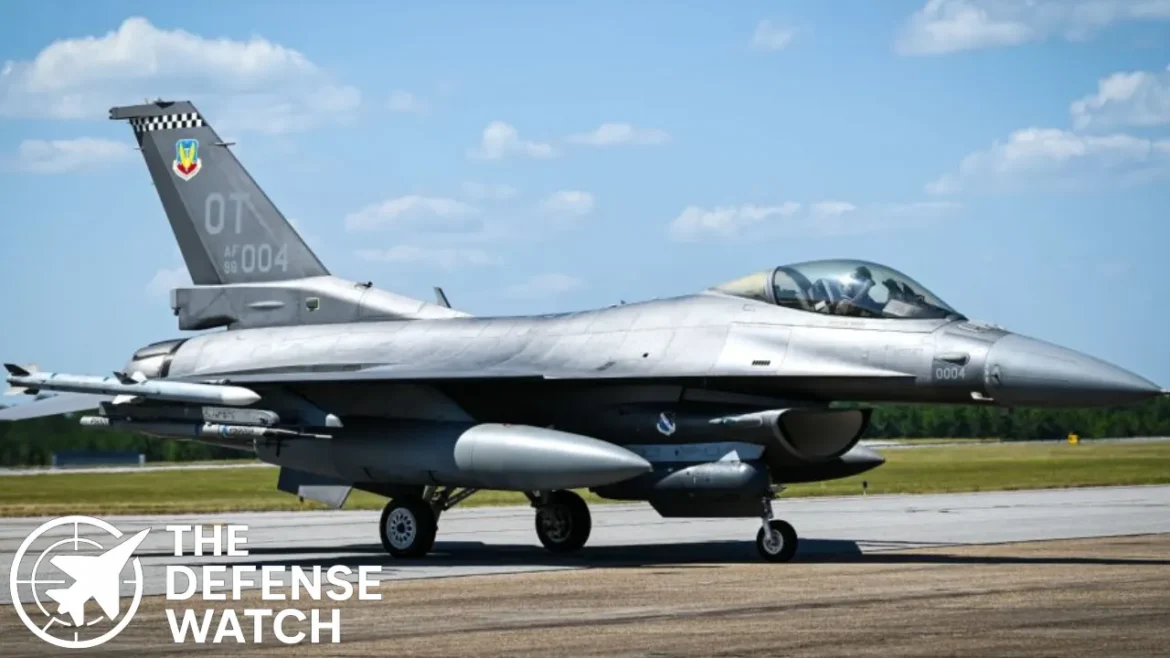
The Northrop Grumman Corporation ALQ-257 Integrated Viper Electronic Warfare Suite (IVEWS) for the F‑16 Fighting Falcon is poised to enter production, with the first tranche of 72 units scheduled for deployment to the Middle East under an urgent operational requirement. The U.S. Air Force began green-lighting the programmed in late 2025, with production slated to start as early as next year.
Background
The F-16, a workhorse fourth-generation fighter in U.S. and allied service, has faced increasingly advanced air-defense and electronic-threat environments, particularly in contested theatres. In response, IVEWS was selected in 2019 as the dedicated EW suite for the U.S. F-16 fleet. The ALQ-257 design integrates ultra-wideband detection, digital radar warning receivers and jamming capability, enabling the F-16 to operate in dense electromagnetic spectrum threat environments. It is also architected to work in conjunction with the SABR AESA radar (AN/APG-83) on modernized F-16 variants.
Details of the Program
According to Northrop Grumman’s vice president of targeting and survivability, Jim Conroy, the upcoming production run will initially equip 72 Block 50 F-16s, as directed by a Urgent Operational Need (UON) from United States Air Forces Central Command (AFCENT) for operations in the Middle East.
Funding for the initiative has been bolstered by congressional action: a reconciliation bill allocated US$187 million to conclude final engineering and manufacturing development and initiate initial production. The proposed FY 2026 appropriations include an additional US$250 million for full-rate production.
From a technical standpoint, IVEWS is a fully internal, line-replaceable module for the F-16, unlike previous external EW pods such as the ALQ-131 or ALQ-184. This internal integration frees up external stations for additional fuel or weapons.
Flight testing concluded its operational assessment phase in April 2024 after about 250 flight hours and testing against representative threats. The suite demonstrated interoperability with the SABR AESA radar system, allowing radar and EW functions to operate pulse-to-pulse without interference.
Industry officials say the urgency of the Middle East deployment stems from the evolving threat environment — mobile radars, frequency-hopping emitters and dense spectrum congestion challenge legacy EW architectures. Conroy noted that “you can’t just pre-plan how you’re going to execute your mission, because you don’t know where the threats are going to be.”
One senior Northrop program lead described the IVEWS capability as effectively giving the F-16 “mini EA-18G Growler-like” electronic attack functionality, enabling the platform to detect, geo-locate and jam threats from within the aircraft itself, rather than relying on external escort assets.
Expert and Policy Perspective
From a policy and force-structure perspective, the deployment of IVEWS underlines a growing recognition within the U.S. Air Force that legacy fourth-generation platforms must be upgraded not only for weapons and sensors but for survivability in contested, electromagnetic environments. A service spokesperson stated that “the Air Force has identified multiple scenarios where enhanced electronic warfare systems can help meet … operational needs across different AORs,” referencing the IVEWS program by name.
For allied partners operating F-16s, the exportability of IVEWS is noteworthy. The system is marketed for global F-16 operators and aligns with Northrop’s ultra-wideband EW architecture for future threat environments.
Operationally, the Middle East theatre presents acute requirements: F-16s deployed in the region have recently engaged advanced surface-to-air missile systems, drone threats, and adversary aircraft from near-peer sources. The addition of IVEWS is intended to bolster survivability for those missions.
Impact and What’s Next
The ramp-up of IVEWS production marks a significant milestone for F-16 modernisation. With the first units committed to Middle East deployment, the U.S. and partner air forces signal an elevated focus on electronic warfare as a core component of air-dominance and platform survivability.
The next steps include full-rate production later in FY 2026, broader installation across the F-16 fleet (potentially up to 600 aircraft) and continued integration of new threat libraries and software updates under the system’s modular EW architecture.
Ultimately, the IVEWS deployment seeks to extend the relevance of the F-16 among fourth-generation fighters by equipping them with EW capability approaching that of fifth-generation aircraft—a strategic gain in an era of proliferated air and missile defenses.