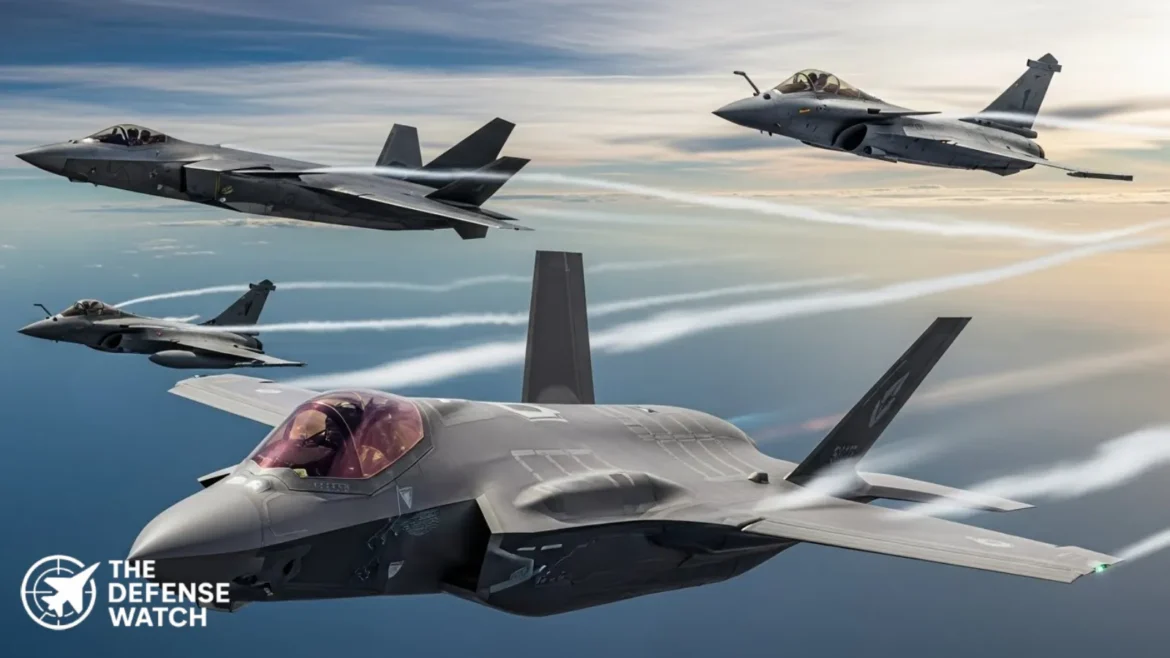
The most powerful air force in the world is no longer defined only by the number of fighter jets it operates. In 2025, global airpower strength reflects a complex mix of advanced aircraft, network centric warfare, long range strike capability, pilot training, space and cyber integration, and the ability to sustain operations far from home.
As great power competition intensifies and regional conflicts reshape military planning, air forces remain the fastest and most decisive instruments of national power. This analysis ranks the top 10 most powerful air forces in the world based on fleet size, combat aircraft quality, force structure, operational experience, and modernization momentum.
(adsbygoogle = window.adsbygoogle || []).push({});This assessment draws on open source defense data, including annual airpower surveys and defense spending trends from organizations such as FlightGlobal and SIPRI, used here only as reference points.
How Air Force Power Is Measured
Before ranking the strongest air forces, it is important to understand the criteria behind modern airpower dominance.
Key Evaluation Factors
- Total military aircraft inventory
- Fifth generation fighter presence
- Strategic bombers and long range strike
- Airborne early warning and refueling assets
- Pilot training and combat experience
- Indigenous aerospace industry strength
- Ability to project power globally
Airpower today is about integration, not just numbers.
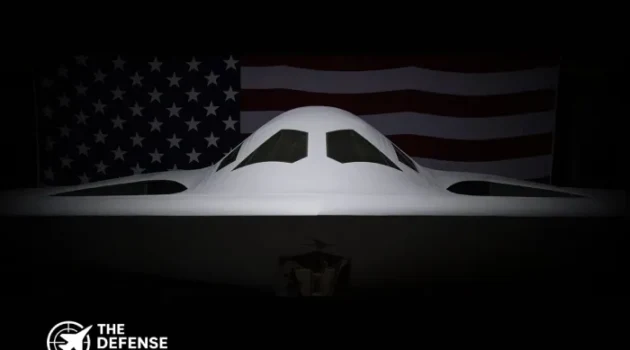
1. United States Air Force
The United States Air Force remains the most powerful air force in the world by a wide margin in 2025. It combines unmatched global reach with the largest and most advanced combat fleet ever assembled.
Strength Highlights
- Over 13,000 military aircraft across services
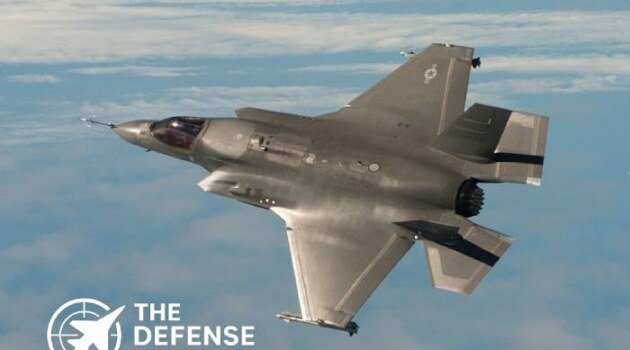
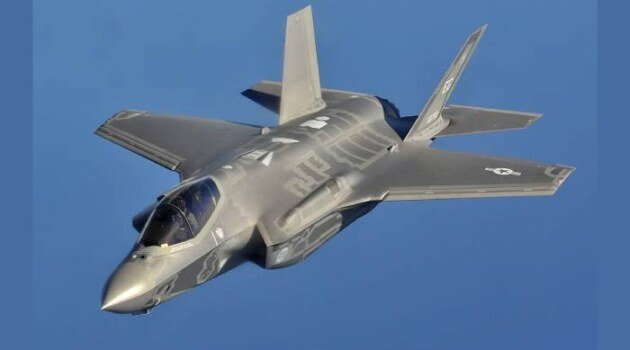
- World’s largest fleet of fifth generation fighters, including F 22 Raptor and F 35 Lightning II
- Strategic bomber force with B 52, B 1B, and stealth B 2 Spirit
- Global tanker and airlift dominance
The USAF is also preparing for the B 21 Raider stealth bomber and Next Generation Air Dominance program, ensuring long term superiority.
- (adsbygoogle = window.adsbygoogle || []).push({});
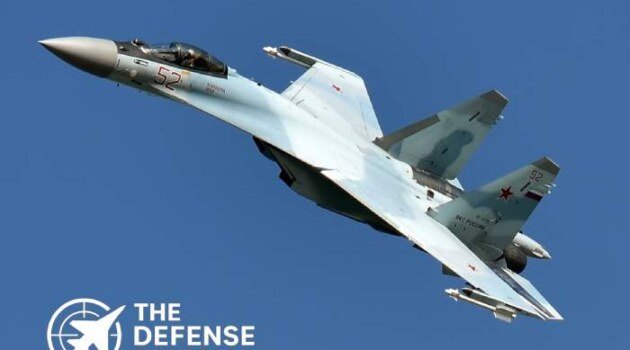
2. Russian Aerospace Forces
Russia operates the second most powerful air force globally, with a heavy focus on air defense, long range strike, and interceptor aircraft.
Strength Highlights
- Large fleet of Su 27, Su 30, Su 34, and Su 35 fighters
- Hypersonic missile integration with air platforms
- Strategic bombers such as Tu 160 and Tu 95
- Dense ground based air defense network
While combat losses and sanctions have slowed modernization, Russia retains formidable airpower, especially in homeland defense and regional conflicts.
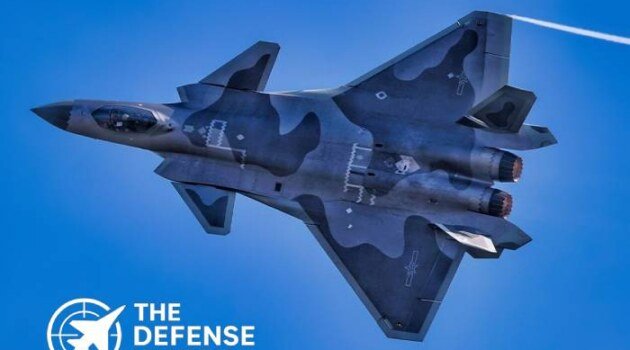
3. People’s Liberation Army Air Force, China
China has rapidly transformed its air force into a peer competitor to the United States in the Indo Pacific.
Strength Highlights
- J 20 stealth fighters in growing numbers
- Large inventory of modern fourth generation fighters
- Expanding tanker and airborne warning fleet
- Strong integration with space and cyber domains
The PLA Air Force benefits from China’s massive industrial base and sustained defense investment, making it one of the fastest modernizing air forces in the world.
(adsbygoogle = window.adsbygoogle || []).push({});4. Indian Air Force
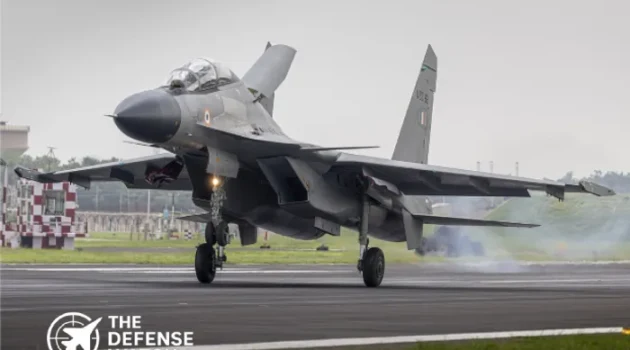
The Indian Air Force is South Asia’s most powerful air arm and a key pillar of regional deterrence.
Strength Highlights
- Multirole fighters including Rafale, Su 30MKI, and Mirage 2000
- Growing indigenous aircraft programs like Tejas
- Strong pilot training standards
- Expanding space and ISR capabilities
India faces challenges in squadron strength but continues to invest heavily in modernization to counter regional threats.
5. United Kingdom Royal Air Force
Despite its smaller size, the Royal Air Force remains one of the most capable air forces globally.
Strength Highlights
- F 35B Lightning II stealth fighters
- Advanced intelligence and electronic warfare capabilities
- Strong expeditionary experience
- Integrated operations with NATO allies
The RAF focuses on quality over quantity, emphasizing precision strike and coalition warfare.
6. French Air and Space Force
France maintains a highly capable and independent air force with global reach.
Strength Highlights
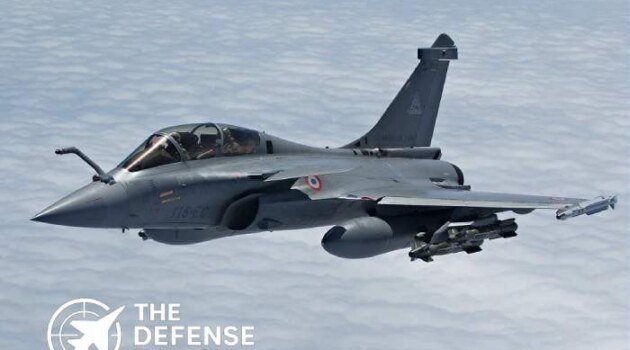
- Rafale multirole fighters with nuclear strike capability
- Strategic airlift and tanker fleet
- Strong overseas basing network
- Indigenous aerospace industry
France’s air force plays a key role in European security and overseas operations in Africa and the Middle East.
(adsbygoogle = window.adsbygoogle || []).push({});7. Japan Air Self Defense Force
Japan operates one of the most advanced air defense focused forces in the world.
Strength Highlights
- F 35A and F 35B stealth fighters
- Advanced radar and missile defense integration
- Strong pilot proficiency
- Close interoperability with US forces
Japan’s airpower is optimized for defending its airspace against high end threats.
8. Israel Air Force
The Israel Air Force is widely regarded as one of the most combat experienced and technologically advanced air forces relative to its size.
Strength Highlights
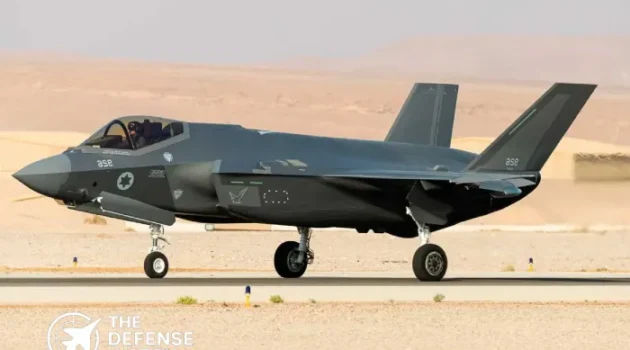
- F 35I Adir stealth fighters
- Deep strike and electronic warfare expertise
- Highly trained pilots
- Rapid operational response capability
Israel’s air force emphasizes precision, intelligence dominance, and preemptive strike doctrine.
9. South Korean Air Force
South Korea fields a modern air force designed to counter one of the world’s most militarized borders.
Strength Highlights
- F 35A stealth fighters
- Advanced command and control systems
- Strong integration with US forces
- Growing indigenous aerospace sector
South Korea continues to expand its airpower as part of a broader deterrence posture.
10. Turkish Air Force
Turkey rounds out the list of the top 10 most powerful air forces in the world due to its size, regional influence, and growing defense industry.
(adsbygoogle = window.adsbygoogle || []).push({});Strength Highlights
- Large fleet of F 16 fighters
- Expanding UAV and drone warfare leadership
- Indigenous aircraft development programs
- Strategic position bridging Europe and the Middle East
Turkey’s experience in drone operations has reshaped modern air warfare concepts.
Strategic Analysis: Why Airpower Still Decides Wars
Air superiority remains the foundation of modern military success. Conflicts in Ukraine, the Middle East, and the Indo Pacific have reinforced the importance of ISR aircraft, drones, electronic warfare, and long range precision strike.
The most powerful air force in the world is not only about dominating the skies, but about controlling information, space assets, and logistics chains. Nations investing in integrated air and space power will shape future conflicts.
Global Trends Shaping Airpower in 2025
Key Developments
- Rapid growth of unmanned combat aircraft
- Integration of artificial intelligence in air operations
- Emphasis on stealth and survivability
- Increased importance of refueling and logistics
Air forces are evolving into multi domain forces rather than standalone services.
FAQs
Which country has the most powerful air force in the world?The United States operates the most powerful air force globally due to its size, technology, and global reach.
Is China close to surpassing the US Air Force?China is closing the gap regionally, especially in the Indo Pacific, but the US maintains a clear global advantage.
Why is airpower so important in modern warfare?Airpower enables surveillance, rapid strike, deterrence, and battlefield dominance across domains.
Are drones changing air force rankings?Yes. Nations with advanced drone and ISR capabilities gain significant operational advantages.

Supersonic vs Hypersonic: Understanding Speed, Missiles, Technology, and Modern Aircraft
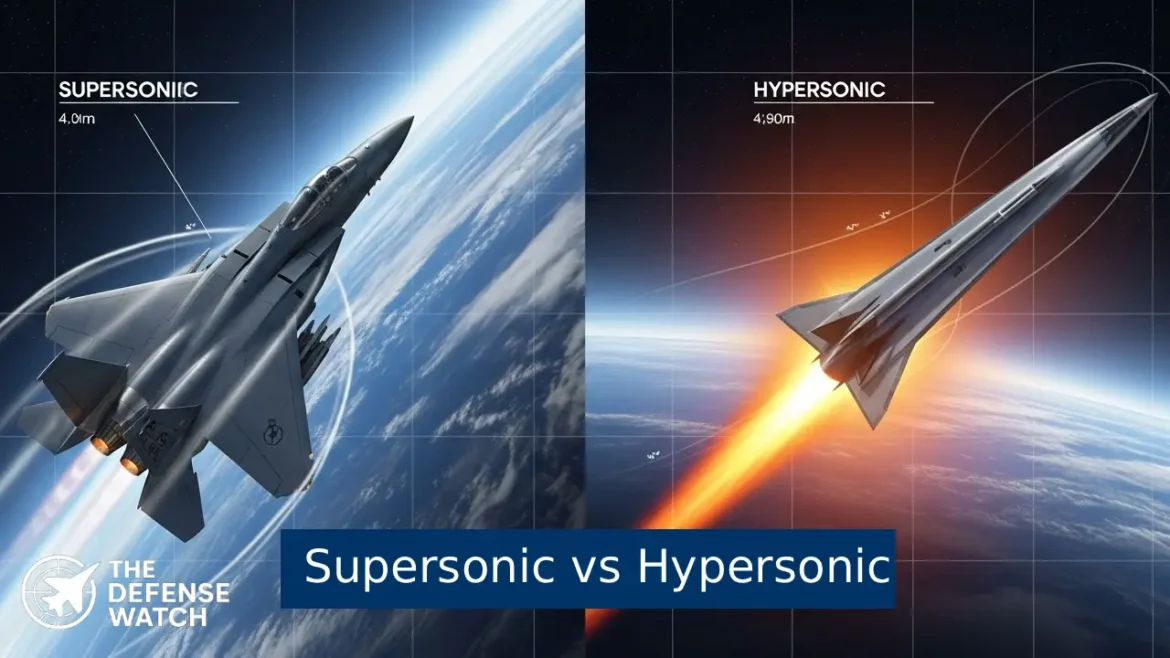
The debate over supersonic vs hypersonic systems has become central to today’s defense landscape as militaries race to field faster, more maneuverable, and harder-to-intercept weapons. While supersonic platforms have been operational for decades, hypersonic missiles, hypersonic glide vehicles (HGVs), and emerging hypersonic aircraft represent the cutting edge of strategic competition among the United States, China, and Russia.
What Defines Supersonic vs Hypersonic Speeds?
Supersonic Speed (Mach 1–5)
- Travels faster than the speed of sound (approx. 343 m/s at sea level)
- Widely used in fighter aircraft, cruise missiles, and interceptors
- Established technologies with predictable aerodynamic behavior
Examples of active supersonic systems:
- U.S. AGM-86C Conventional Air-Launched Cruise Missile (CALCM)
- Russia’s P-800 Oniks anti-ship missile
- India/Russia BrahMos cruise missile
- F-16, F-15, Rafale, Su-35, and Eurofighter Typhoon (supersonic fighters)
Hypersonic Speed (Above Mach 5)
- Extremely high aerodynamic heating
- Requires advanced materials and thermal protection
- Maneuverability increases complexity for missile defense
- Relatively new and still maturing
- Used for strategic-range strike, anti-ship missions, and potential ISR/strike aircraft concepts
Examples of active hypersonic systems (as of 2025):
- Russia: Avangard HGV (operational), Kinzhal (limited hypersonic performance), 3M22 Zircon (in service with Russian Navy)
- China: DF-17 HGV-equipped ballistic missile (operational)
- U.S.: No fully deployed hypersonic weapons yet; programs advancing (ARRW cancelled after tests, HACM under development, Glide Phase Interceptor in progress)
Hypersonic Missiles vs Supersonic Missiles
Supersonic Missiles: Mature, Widely Fielded, Highly Reliable
Supersonic missiles constitute the backbone of global strike arsenals. Their speed reduces exposure time to enemy air defense systems while maintaining affordable, scalable manufacturing.
Common roles include:- Anti-ship strike
- Land-attack precision strike
- Interception and air-defense missions
Many navies and air forces rely on supersonic anti-ship missiles such as BrahMos, Harpoon (high subsonic), RGM-84 variants, and Oniks. Their predictability and cost-effectiveness make them ideal for mass deployment.
Hypersonic Missiles: Maneuverability, Speed, and Anti-Ship Breakthrough
Hypersonic missiles promise:
- Reduced defender reaction time
- High survivability against interceptors
- Ability to maneuver unpredictably
Two main types exist:
- Hypersonic Glide Vehicles (HGVs)
- Launched via ballistic missile booster
- Glide at hypersonic speed with unpredictable flight paths
- Examples: Russia Avangard, China DF-17
- Hypersonic Cruise Missiles (HCMs)
- Scramjet-powered
- Maintain sustained Mach 5+ in atmosphere
- Examples: Russia Zircon; U.S. HACM in development
Operational deployment remains limited due to:
- Thermal protection challenges
- Materials science constraints
- High cost
- Launch platform limitations
Hypersonic Aircraft vs Supersonic Aircraft
Supersonic Aircraft: Global Standard for Combat Aviation
Supersonic jets remain the world’s primary combat aircraft.
Advantages include:- Proven propulsion
- Broad industrial base
- High maneuverability
- Compatibility with existing infrastructure
Examples:
- F-22, F-35 (supercruise capability), F-15EX
- Su-57, Su-35
- J-20 Mighty Dragon
Hypersonic Aircraft: Still Experimental
As of 2025, no operational hypersonic aircraft are in service.
Key U.S. and Chinese programs under research:
- U.S. DARPA HTV-2 (test program)
- Lockheed Martin SR-72 concept (ISR/strike concept)
- China’s Starry Sky-2 test vehicle
Technical barriers include:
- Scramjet reliability
- Reentry thermal loads
- Sensor survivability
- Human survivability at high thermal stress
Hypersonic aircraft remain long-term strategic projects rather than near-term operational systems.
Why Hypersonic Systems Are Strategically Important
Reduced Reaction Time
Hypersonic weapons can reduce defender response windows to a few minutes, challenging existing missile defenses.
Maneuverability
Unlike traditional ballistic missiles, HGVs can alter course mid-flight, complicating interception.
Long-Range Precision Strike
Hypersonics can threaten high-value, time-sensitive, or heavily defended targets.
Analysis: The Strategic Race Is About More Than Speed
The U.S., China, and Russia treat hypersonics as part of a broader competition in sensor networks, missile defense, command-and-control, and space-based tracking. The race is less about raw velocity and more about integrated ecosystems:
- Early-warning satellites
- Over-the-horizon radars
- Glide-phase interceptors
- AI-enabled targeting
- Future scramjet-enabled strike aircraft
Whichever nation pairs hypersonic offense with hypersonic defense first will gain significant strategic advantage.
FAQs
Are hypersonic missiles unstoppable?No. They are difficult to intercept, but the U.S. and partners are developing glide-phase interceptors, next-gen radars, and space-based tracking systems.
Does the U.S. have operational hypersonic missiles?Not yet. Major programs are advancing, but no weapon has reached full operational status as of 2025.
Are supersonic systems being phased out?No. Supersonic missiles and aircraft remain widely used, affordable, and integral to modern militaries.
Which countries have hypersonic glide vehicles?Russia and China have operational HGV systems. The United States is developing its own but has not deployed them.
How fast is hypersonic?Any system traveling faster than Mach 5—approximately 3,836 mph (6,174 km/h).