Executive Summary
- British arms broker David Greenhalgh and Greek national Christos Farmakis were each sentenced to 16 years in prison on Sept. 23, 2026, following convictions for illegal arms brokering under the UK’s Export Control Order 2008.
- Prosecutors said the operation involved attempts to broker surface-to-air missile systems, fighter jets, combat helicopters, tanks, anti-tank weapons, assault rifles and ammunition from former Soviet and Eastern European sources to embargoed destinations.
- The case highlights how international arms networks can exploit third-country companies, end-user documentation and overseas transactions to attempt to bypass export controls, while demonstrating that UK controls can apply to brokering activity involving military goods even when the physical shipment does not originate in Britain.
London’s Southwark Crown Court has sentenced two arms brokers to 16 years in prison each after a prosecution involving attempts to move military equipment from former Soviet and Eastern European sources into conflict zones and countries subject to UK arms restrictions.
British national David Greenhalgh, 68, and Greek national Christos Farmakis, 48, were convicted in June after a nine-week trial. The Crown Prosecution Service said the pair had operated an international arms-brokering network between 2009 and 2016 involving military equipment destined for Sudan, South Sudan, Libya, Iraq and Iran.
Reuters reported that prosecutors identified an actual weapons transfer involving a former Ukrainian S-125 Pechora surface-to-air missile system to South Sudan. Other transactions described during the case involved proposed supplies rather than confirmed deliveries, an important distinction when assessing the scale of the operation.
What the UK Court Case Established
The convictions were brought under the Export Control Order 2008, the UK’s framework governing various activities involving controlled military goods.
The CPS said Greenhalgh was convicted on 10 counts, while Farmakis was convicted on nine. Farmakis was tried in absentia. Both were sentenced to 16 years on Sept. 23.
The case covered activity from July 2009 through December 2016. According to the CPS, the defendants attempted to broker equipment ranging from surface-to-air missile systems and Mi-24 combat helicopters to fighter aircraft, tanks, anti-tank weapons, rocket-propelled grenades, AK-47 rifles and ammunition.
The UK’s Export Control Joint Unit told prosecutors that no license enquiries or applications had been made by the defendants or their companies for the deals covered by the indictment.
Key Case Data
| Category | Documented information |
|---|---|
| Main defendants | David Greenhalgh and Christos Farmakis |
| Sentences | 16 years each |
| Convictions | June 11, 2026 |
| Sentencing | Sept. 23, 2026 |
| Court | Southwark Crown Court |
| Relevant UK law | Export Control Order 2008 |
| Activity period | July 2009 to December 2016 |
| Confirmed weapons transfer cited by prosecutors | Former Ukrainian S-125 Pechora system to South Sudan |
| Other equipment involved in proposed or brokered deals | Fighter aircraft, Mi-24 helicopters, tanks, anti-tank systems, small arms and ammunition |
| Destinations identified by prosecutors | Sudan, South Sudan, Libya, Iraq and Iran |
The table separates the documented scope of the prosecution from claims that particular weapons were physically delivered. That distinction matters because the Reuters report states that only one charge involved the actual supply of weaponry.
S-125 Pechora Deal Shows the Military Significance
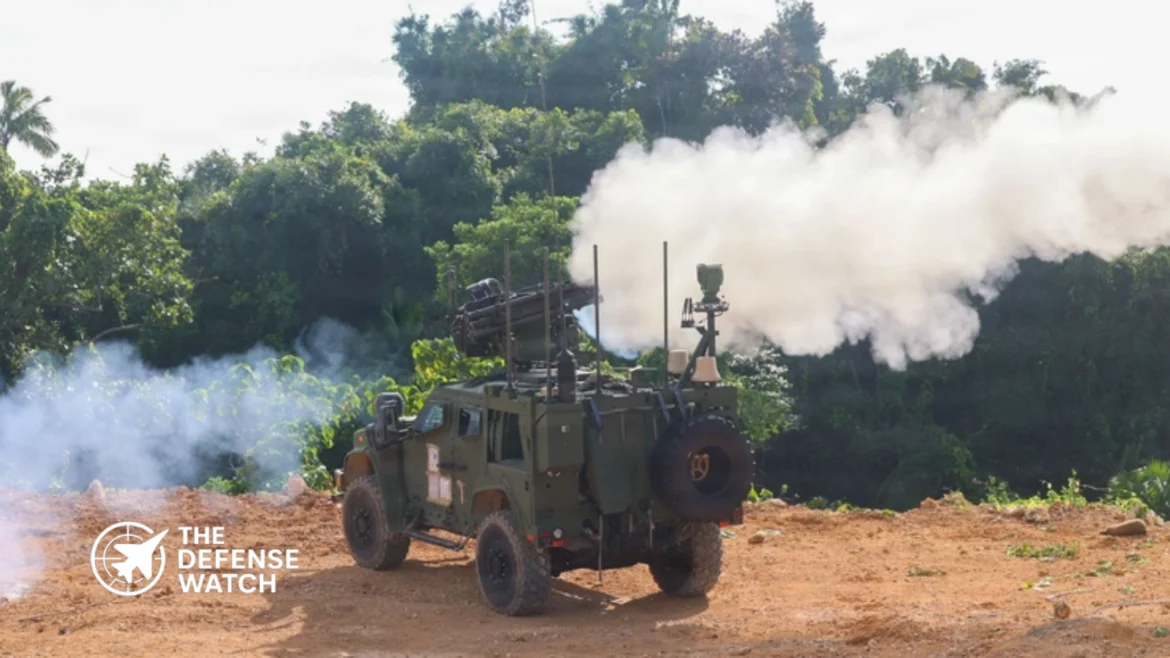
The most consequential completed transfer identified in the reporting was a former Ukrainian S-125 Pechora surface-to-air missile system supplied to South Sudan.
The S-125, known by NATO reporting as SA-3 Goa, is a Soviet-designed surface-to-air missile system developed during the Cold War. Its inclusion in the case illustrates the continuing availability of older air-defense equipment through international secondary markets.
The significance is not that an older system represents the same capability as a modern integrated air-defense network. Rather, even legacy surface-to-air missile equipment can alter the threat environment for aircraft operating over a conflict zone, particularly where opposing forces have limited alternatives for air defense.
Reuters reported that South Sudan was still formally part of Sudan until independence in 2011, meaning the territory was subject to the relevant British arms restrictions at the time described by prosecutors.
The United Kingdom continues to maintain trade restrictions and arms controls covering South Sudan. Current UK guidance also explicitly identifies brokering and other activities involving controlled military goods as subject to trade controls.
How the Alleged Brokering Network Worked
The case is significant from an export-control perspective because the alleged activity did not depend on a conventional shipment originating from a UK factory.
HMRC said Greenhalgh operated the Airservices group through companies registered in several countries, including the UK, Greece, North Macedonia and South Sudan. The agency said overseas subsidiaries were used in attempts to place transactions outside UK jurisdiction.
The CPS said the defendants sourced military equipment from former Soviet states and Eastern European countries and attempted to route transactions through third countries. Prosecutors also presented evidence concerning false end-user certificates and shipping documentation.
This is an important feature of modern arms-control enforcement. A weapons transaction can involve a supplier in one country, a broker in another, an intermediary company elsewhere and an intended recipient under sanctions or an arms embargo.
Why End-User Documentation Matters
End-user certificates are a central part of international arms-control systems because they establish who is supposed to receive controlled equipment.
The CPS said evidence in the case showed discussions about falsifying end-user certificates, using false shipping documents and routing deliveries through third countries to obscure the ultimate destination.
HMRC separately said forged end-user certificates were used to claim that weapons were destined for countries not subject to sanctions.
For defense procurement, the issue extends beyond paperwork. End-user controls are intended to connect a physical military item with the legal identity and permitted purpose of the recipient. Once that chain is deliberately obscured, regulators can lose visibility over where weapons and military technology ultimately enter a conflict.
Fighter Jets and Wider Military Equipment
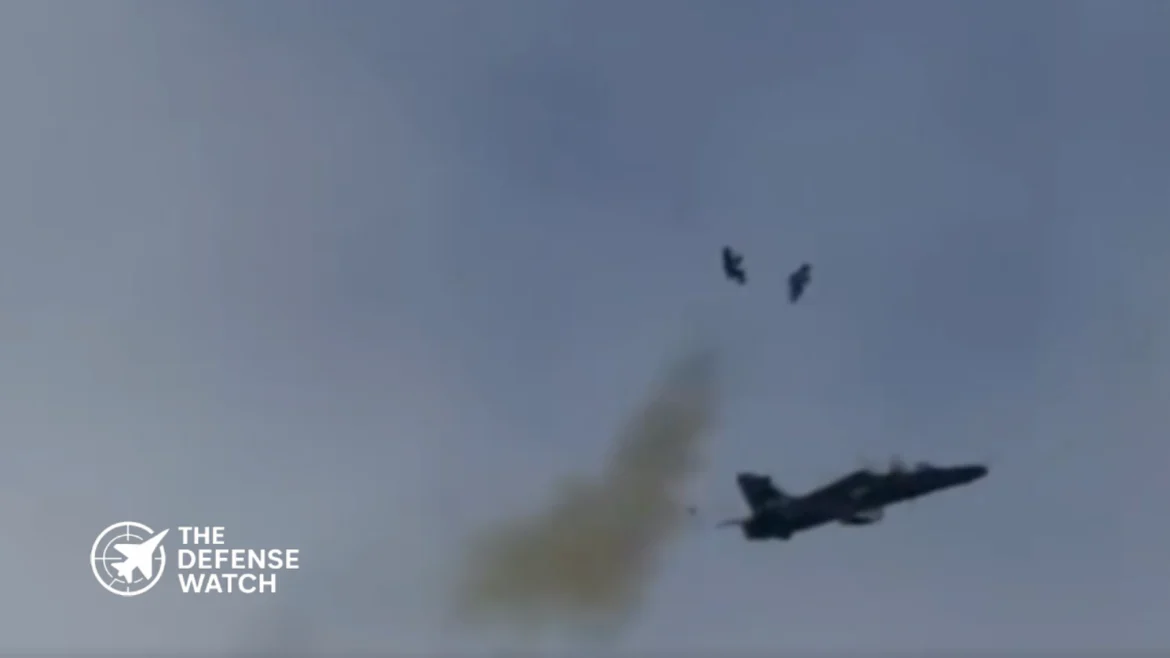
The case also involved attempts to arrange fighter aircraft sales to Libya following the 2011 Arab Spring.
Reuters reported that authorities discovered documents relating to plans to sell fighter jets and other arms to Libya after an email associated with Farmakis was forwarded to his employer.
The available primary-source material does not establish that every fighter aircraft discussed in the case was ultimately delivered to Libya. The distinction is important because arms-brokering prosecutions can encompass attempts to facilitate transactions as well as completed transfers.
The CPS said the wider network dealt with proposed supplies of fighter jets, combat helicopters, air-defense systems, tanks, anti-tank launchers and small arms.
That breadth also demonstrates the different operational effects of the equipment involved:
| Equipment category | Potential operational role |
|---|---|
| Surface-to-air missile systems | Ground-based air defense |
| Fighter aircraft | Air combat and strike missions |
| Combat helicopters | Close support, mobility and attack missions |
| Battle tanks | Armored maneuver and direct fire |
| Anti-tank weapons | Defeat of armored vehicles |
| Assault rifles | Infantry small arms |
| Ammunition | Sustains conventional ground operations |
No unverified range, aircraft model, quantity or performance figure should be attributed to the specific transactions without supporting court or government documentation.
UK Export Controls Extend Beyond Physical Exports
One of the broader lessons from the prosecution concerns the distinction between exporting an item and brokering a military transaction.
Current UK government guidance states that trade controls can apply to trafficking and brokering military goods from one overseas country to another. The guidance says the controls cover specific activities involving controlled goods and can apply even when the goods themselves do not originate in the UK.
The CPS likewise said the Export Control Order 2008 controls the export, transfer, supply and delivery of controlled military goods and requires authorization for certain acts intended to promote supply between third countries.
That framework is particularly relevant to international defense markets, where brokers can connect suppliers and customers without owning the weapons or operating the transport chain themselves.
The Industrial and Security Implications
The case exposes a structural vulnerability common to global arms markets: older military equipment can remain commercially relevant long after its original production run ends.
Former Soviet inventories spread across Eastern Europe and other regions have created a large secondary market for aircraft, armored vehicles, air-defense systems and weapons. HMRC said the defendants sourced equipment from countries including Ukraine, Belarus, Serbia and the Czech Republic.
For legitimate defense procurement, such markets can provide access to equipment, spare parts and sustainment capabilities. For embargoed destinations, the same networks can create a route around formal government-to-government controls.
The case therefore matters beyond the two defendants. It demonstrates why modern export-control enforcement increasingly has to track financial structures, corporate ownership, intermediaries, end-user documentation and third-country routing, rather than simply monitoring physical shipments leaving a national territory.
What This Means for Conflict-Zone Arms Markets
The Libya and South Sudan elements also illustrate different pathways through which military equipment can reach unstable security environments.
In Libya, the relevant activity emerged around the period following the 2011 uprising and civil war. In South Sudan, the prosecution concerned military equipment entering a territory that was subject to arms restrictions at the time. Reuters reported that the pair also arranged supplies involving Iran, Iraq and Syria.
The operational effect of such transfers varies substantially according to the weapon system, recipient organization, training available and sustainment infrastructure.
An older surface-to-air missile system, for example, does not automatically create a modern integrated air-defense capability. A fighter aircraft transfer similarly requires pilots, maintenance personnel, weapons, spare parts, fuel, basing and command infrastructure before it becomes a sustainable combat capability.
That is why the most important finding from the case is not simply the type of weapons discussed. It is the demonstrated ability of an international brokerage network to connect restricted customers with military suppliers while attempting to obscure the legal and logistical chain.
A Test of International Arms-Control Enforcement
The prosecution also demonstrates the importance of coordination between criminal investigators and export-control authorities.
HMRC investigated the case, while the CPS prosecuted it. The Export Control Joint Unit provided information concerning the absence of license applications for the transactions covered by the indictment.
The judiciary published formal sentencing remarks for Greenhalgh and Farmakis on Sept. 23, providing the court record for the final sentencing stage.
The result is a case in which financial investigation, corporate records, electronic communications and export-control enforcement intersected with military procurement.
For governments attempting to prevent illicit transfers, that combination is increasingly important. The physical movement of a weapon can be only the final step in a much larger transaction involving brokers, companies, finance, documentation and international logistics.
Bottom Line
The 16-year sentences handed to David Greenhalgh and Christos Farmakis conclude a major UK prosecution involving an international network that attempted to broker military equipment to embargoed destinations.
The case established a documented connection between the defendants and attempted transactions involving fighter aircraft, helicopters, armored vehicles, small arms and air-defense equipment. Prosecutors also identified an actual transfer of a former Ukrainian S-125 Pechora system to South Sudan.
For the defense industry, the wider significance lies in the enforcement challenge. Modern arms-control systems must account not only for manufacturers and exporters, but also for brokers, intermediary companies, end-user documentation and third-country transactions.
The prosecution shows that these mechanisms can become central evidence when authorities investigate attempts to circumvent restrictions on military equipment.