

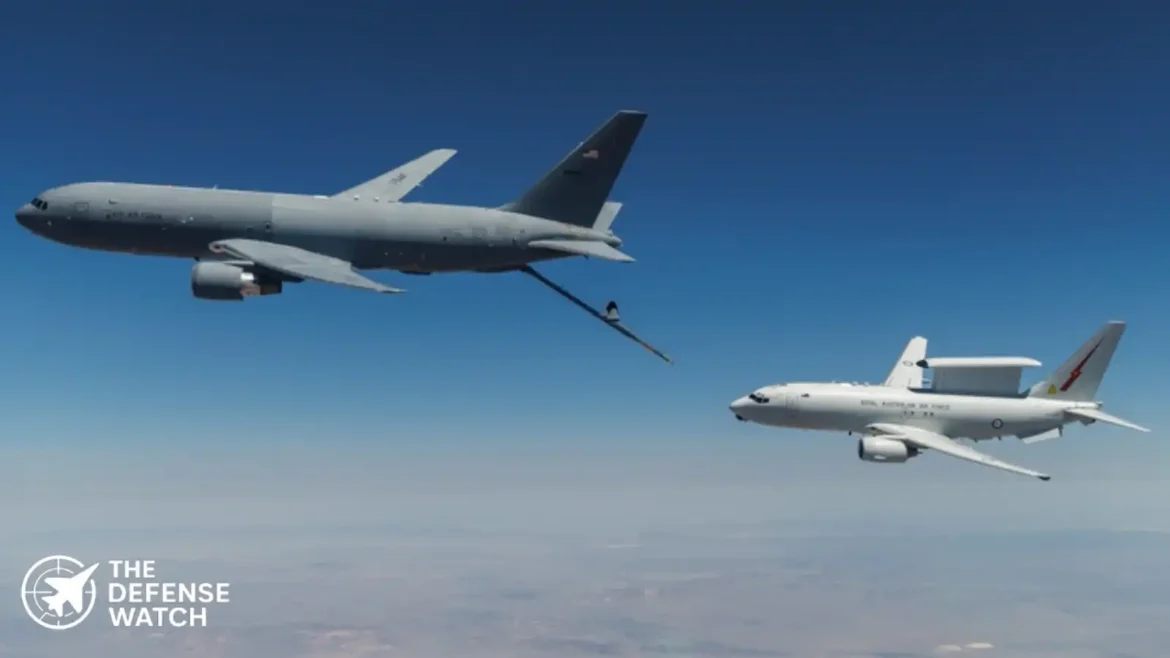
Executive Summary: The U.S. Air Force (USAF) has finalized a $2.4 billion contract amendment with Boeing to procure five additional E-7 Wedgetail aircraft, bringing the total initial fleet to seven. This move secures a critical replacement for the E-3 Sentry, integrating advanced MESA radar technology to maintain air superiority in contested environments.
U.S. Air Force Accelerates E-7 Wedgetail Procurement
The U.S. Air Force has increased its planned acquisition of the E-7 Wedgetail airborne early warning and control (AEW&C) aircraft from an initial prototype-focused effort to a broader operational fleet of seven platforms.
The latest contract amendment, valued at $2.4 billion, builds on an earlier rapid prototyping agreement awarded to Boeing. It signals a transition from experimentation toward fielding a deployable capability designed to replace the aging E-3 Sentry Airborne Warning and Control System (AWACS) fleet.
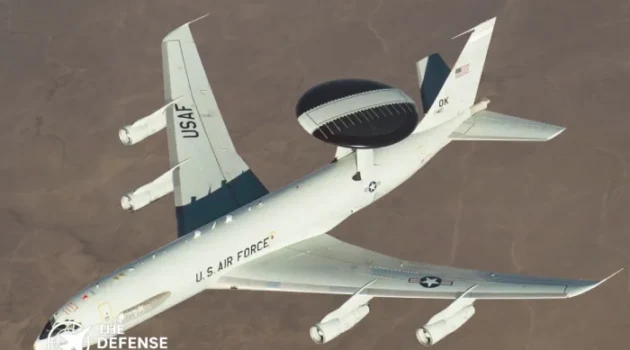
The E-3, first fielded in the late Cold War era, faces rising sustainment costs, declining readiness rates, and increasing vulnerability in modern threat environments.
Why the E-7 Wedgetail Matters for Future Air Warfare
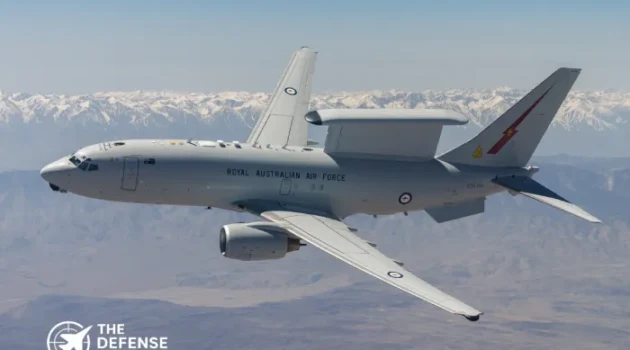
The E-7 Wedgetail is based on the Boeing 737-700 airframe and integrates a modern, multi-role electronically scanned radar system. It is designed to operate effectively in contested environments where legacy AWACS aircraft face survivability challenges.
Key Capability Improvements
- Advanced AESA radar offering 360-degree coverage with improved target tracking
- Enhanced battle management systems for real-time command and control
- Greater reliability and availability compared to legacy E-3 platforms
- Reduced crew workload through automation and digital interfaces
- Improved interoperability with joint and allied forces
The aircraft is already in service with allied air forces, including Australia and the United Kingdom, providing a mature baseline for U.S. adoption.
Comparison: E-7 Wedgetail vs E-3 Sentry AWACS
Platform Range Payload Status Key Technology E-7 Wedgetail ~6,500 km Multi-role AEW&C mission systems In production / expanding AESA MESA radar, digital battle management E-3 Sentry AWACS ~8,000 km Legacy radar and command systems Aging / being retired Mechanically scanned radar Transition from Legacy AWACS to Networked Warfare Node
The E-7 is not simply a replacement aircraft. It represents a shift toward distributed, network-centric warfare, where survivability, data fusion, and real-time decision-making are critical.
Unlike the E-3, which relies on older radar and processing systems, the Wedgetail is built to integrate with:
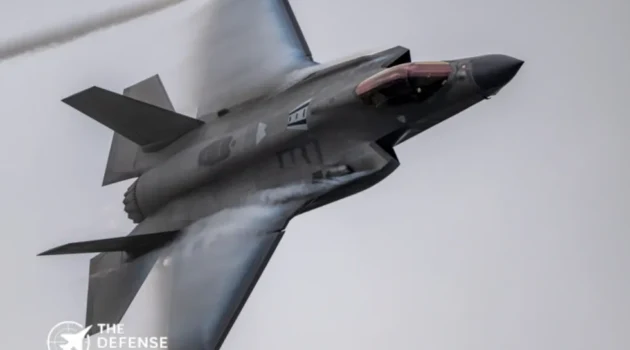
- Fifth-generation fighters such as the F-35
- Space-based sensors and satellite networks
- Joint all-domain command and control (JADC2) architectures
This enables the aircraft to act as a central node in multi-domain operations, rather than a standalone surveillance platform.
Strategic Context: Countering Peer Threats
The expansion of the E-7 program reflects broader U.S. concerns about near-peer adversaries, particularly in the Indo-Pacific and European theaters.
Modern air defense systems, long-range missiles, and electronic warfare capabilities have increased the risks faced by large, non-stealthy aircraft like the E-3.
Operational Drivers Behind the Decision
- Rising threats from advanced integrated air defense systems (IADS)
- Need for survivable airborne command platforms
- Increased demand for persistent ISR and battle management
- Strengthening interoperability with allied E-7 operators
The Wedgetail’s improved sensor performance and network integration are intended to mitigate these risks while maintaining command and control dominance.
Program Outlook and Next Steps
With the contract expansion now in place, the U.S. Air Force is expected to move forward with:
- Continued system integration and testing
- Initial operational capability timelines in the coming years
- Gradual retirement of the E-3 fleet
The final program of record could expand beyond seven aircraft as operational requirements evolve.
The E-7 Wedgetail is positioned to become a cornerstone of U.S. airborne command and control, bridging current capability gaps while supporting future multi-domain operations.
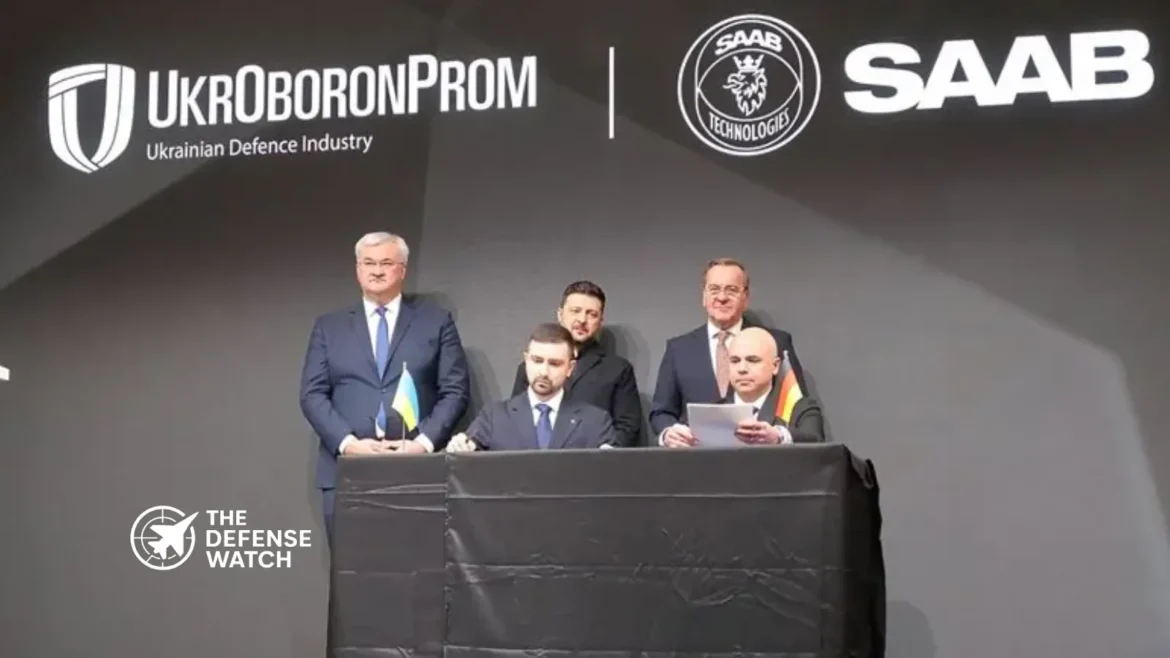
Saab And Ukrainian Defense Industry Sign MoU On Aviation And Airborne Surveillance Cooperation
Saab and the Ukrainian Defense Industry have signed a memorandum of understanding aimed at expanding aviation and airborne surveillance cooperation, marking a new step in defense collaboration between Sweden and Ukraine.
The agreement, announced by Saab and Ukraine’s state-owned defense conglomerate Ukrainian Defense Industry, outlines plans to explore joint projects in military aviation, airborne early warning, and surveillance technologies.
The memorandum does not constitute a binding contract but establishes a framework for future cooperation, technology exchange, and potential industrial partnerships.
Expanding Aviation And Surveillance Ties
Under the MoU, Saab and Ukrainian Defense Industry will assess opportunities to collaborate in aviation systems and airborne surveillance platforms. This includes potential work related to airborne early warning and control capabilities, sensor integration, and support for existing and future aircraft.
Saab is internationally recognized for its advanced defense systems, including the Saab JAS 39 Gripen and the Saab GlobalEye airborne surveillance platform. The company has experience delivering integrated air defense and surveillance solutions to multiple European and international customers.
Ukraine, meanwhile, has prioritized strengthening its air defense and surveillance architecture amid ongoing conflict and sustained air and missile threats. Ukrainian defense officials have repeatedly emphasized the need for improved situational awareness, airborne radar coverage, and enhanced interoperability with Western systems.
The new Saab Ukrainian Defense Industry MoU reflects these evolving operational requirements.
Focus On Industrial Cooperation
According to official statements, the cooperation framework also aims to support Ukraine’s domestic defense industrial base. This could involve local production, maintenance, or integration activities, though specific projects were not disclosed.
Ukraine has actively pursued international partnerships to rebuild and modernize its defense sector. Agreements with Western firms are seen as a way to accelerate technology transfer and boost domestic manufacturing capacity.
Saab has previously expressed interest in establishing deeper industrial ties in Eastern Europe. The company’s approach often includes local industrial participation and long-term support arrangements.
The aviation and airborne surveillance cooperation outlined in the MoU may therefore extend beyond platform supply to include broader ecosystem development.
Strategic Context
The announcement comes as Ukraine continues to modernize its armed forces with Western equipment and technologies. Air domain awareness has become a central priority, especially in countering cruise missiles, drones, and manned aircraft.
Airborne early warning systems play a critical role in extending radar coverage, coordinating intercept missions, and enhancing command and control functions. Platforms like the Saab GlobalEye integrate advanced radar, electronic surveillance, and command systems into a single airborne node.
While the MoU does not specify a platform, analysts note that Saab’s portfolio includes scalable airborne surveillance solutions that could be adapted to Ukraine’s needs.
Sweden has been a consistent supporter of Ukraine’s defense efforts, providing military aid and advocating for stronger European security coordination. The cooperation between Saab and Ukrainian Defense Industry aligns with broader European defense integration trends.
No Immediate Procurement Announced
Importantly, the memorandum of understanding does not confirm any immediate procurement of aircraft or surveillance systems. Instead, it formalizes dialogue and technical discussions.
Such agreements are common first steps before detailed feasibility studies, industrial planning, or formal contracts.
Defense companies often use MoUs to outline shared objectives and explore regulatory, financial, and technical frameworks before committing to large-scale programs.
Still, the Saab Ukrainian Defense Industry MoU signals intent to deepen aviation and airborne surveillance cooperation at a time when Ukraine’s airspace remains heavily contested.
Strengthening Air Domain Awareness
Airborne surveillance systems can provide layered situational awareness alongside ground-based radars and satellite assets. They offer mobility, extended detection range, and flexibility in deployment.
For Ukraine, enhancing airborne radar coverage could improve coordination between fighter aircraft, ground-based air defense systems, and command centers.
Saab’s experience in sensor fusion, data links, and network-centric operations may become central to any future collaborative program.
The aviation and airborne surveillance cooperation framework may also address training, logistics support, and long-term sustainment planning.
Broader Defense Industry Trends
The MoU reflects a wider shift in European defense policy toward closer industrial integration and support for Ukraine’s domestic capabilities.
European defense firms have increasingly entered partnerships that emphasize co-production and local value creation rather than direct export alone.
Ukraine’s defense sector, restructured under Ukrainian Defense Industry, has sought to modernize governance and improve transparency to facilitate such partnerships.
By formalizing aviation and airborne surveillance cooperation, Saab positions itself as a potential long-term partner in Ukraine’s air domain modernization.
Outlook
While concrete programs have yet to be announced, the Saab Ukrainian Defense Industry MoU establishes a framework for structured cooperation in aviation and airborne surveillance technologies.
Future developments will depend on technical evaluations, funding mechanisms, and alignment with Ukraine’s operational priorities.
As air defense and airborne surveillance remain critical to Ukraine’s security environment, partnerships like this are likely to remain central to its modernization strategy.
For continued coverage of defense cooperation agreements and aviation modernization efforts, see also: Saab Expands European Defense Partnerships.