US Approves P 8A Poseidon Sale to Singapore
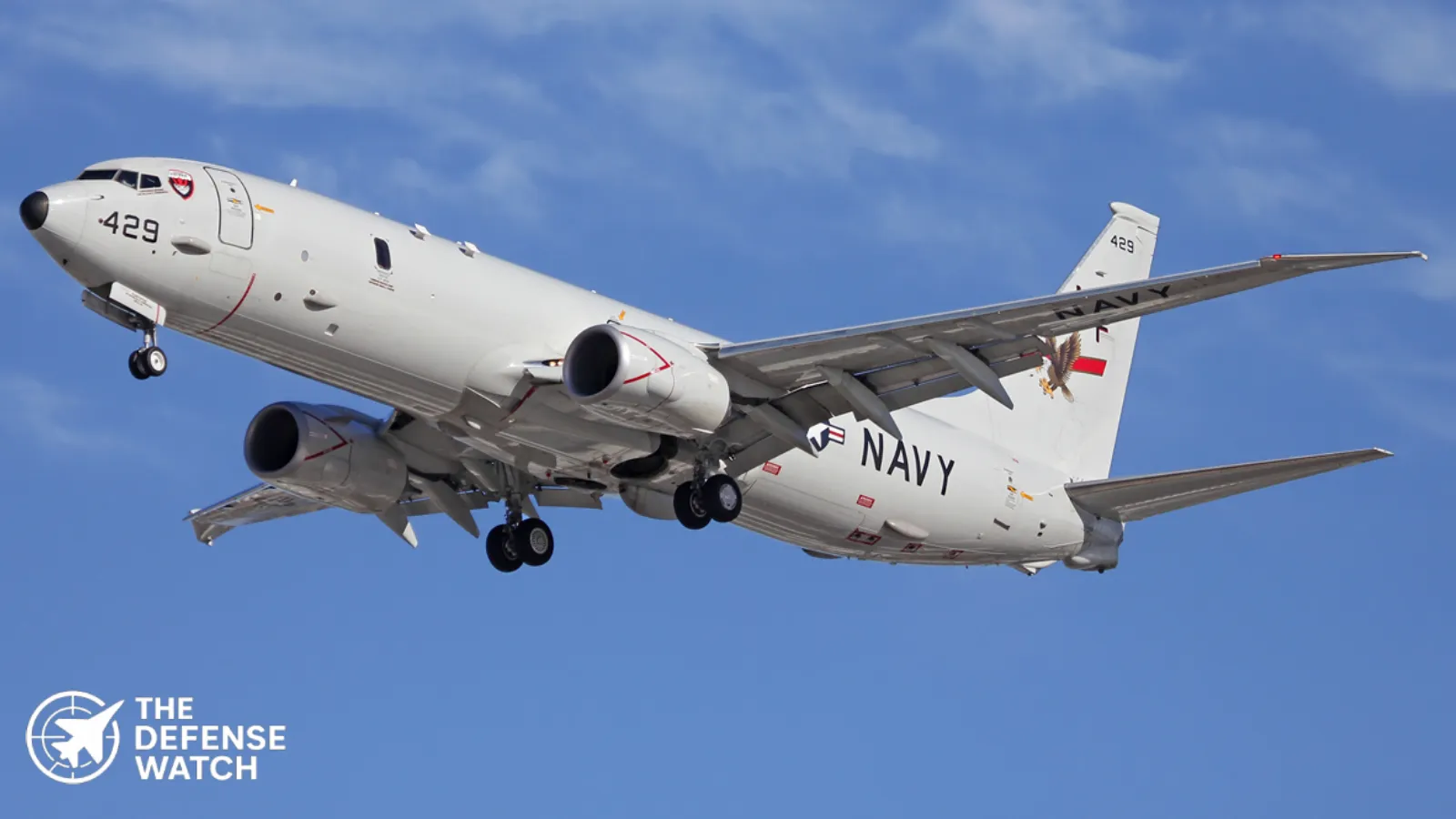
The US government has approved a potential 2.3 billion dollar P 8A Poseidon sale to Singapore to replace the country’s aging maritime patrol fleet, marking a major step in strengthening long standing US Singapore defense cooperation. The approval was announced through the US Defense Security Cooperation Agency as part of the Foreign Military Sales process, with Congress formally notified of the proposed deal.
According to official disclosures, the sale will provide Singapore with advanced maritime patrol and anti submarine warfare capabilities based on the Boeing P 8A Poseidon, an aircraft already in service with the US Navy and several allied air forces. The acquisition supports Singapore’s effort to modernize its air and maritime surveillance forces amid growing security demands in the Indo Pacific region.
What the P 8A Poseidon Package Includes
The proposed P 8A Poseidon sale includes aircraft, mission systems, training, spares, and long term sustainment support. While the exact number of aircraft has not been publicly specified, the total value of up to 2.3 billion dollars reflects a comprehensive capability package rather than airframes alone.
The P 8A Poseidon is built on the Boeing 737 800 airframe and integrates a wide range of sensors for maritime domain awareness. These include surface search radar, electro optical and infrared systems, acoustic sensors for submarine detection, and secure communications for networked operations. The aircraft is designed for long range patrol, anti submarine warfare, anti surface warfare, and intelligence, surveillance, and reconnaissance missions.
US officials stated that the proposed sale will enhance Singapore’s ability to monitor sea lines of communication, deter maritime threats, and operate effectively with US and allied forces.
Replacing Singapore’s Legacy Maritime Patrol Aircraft
Singapore currently operates a small fleet of Fokker 50 maritime patrol aircraft that have been in service for decades. While these aircraft have been upgraded over time, they no longer meet the full range of modern surveillance and anti submarine requirements facing the Singapore Armed Forces.
The P 8A Poseidon sale is intended to replace this aging fleet with a platform that offers significantly greater range, speed, sensor coverage, and data fusion. For a country that sits astride critical global shipping routes, including the Strait of Malacca and surrounding sea lanes, maritime patrol aircraft are a core element of national defense.
Singapore’s Ministry of Defence has repeatedly emphasized the importance of maintaining a technologically advanced and credible deterrent force, particularly in air and maritime domains.
Strategic Importance for the Indo Pacific
The approval of the P 8A Poseidon sale carries broader strategic implications beyond Singapore alone. The aircraft is widely regarded as one of the most capable maritime patrol platforms in service today and is a key asset in US and allied efforts to maintain maritime security in the Indo Pacific.
The region has seen increased naval activity, undersea competition, and pressure on freedom of navigation in recent years. Advanced maritime patrol aircraft play a critical role in tracking submarines, monitoring surface vessels, and providing early warning of potential threats.
By equipping Singapore with the P 8A Poseidon, the US strengthens interoperability with a close security partner and reinforces a network of like minded states operating common platforms and shared tactics.
Interoperability With US and Allied Forces
One of the major advantages of the P 8A Poseidon sale is interoperability. The aircraft is already operated by the United States, Australia, the United Kingdom, India, and several NATO allies. This allows for shared training, common logistics, and coordinated operations during exercises or real world contingencies.
Singapore regularly hosts and participates in multinational exercises with the US Navy and allied air forces. Operating the same maritime patrol aircraft simplifies information sharing and enhances combined operational effectiveness.
US officials noted that the sale will not alter the regional military balance but will contribute to stability by improving a partner nation’s ability to defend its maritime approaches.
Industry and Program Background
The P 8A Poseidon is produced by Boeing Defense, Space and Security and has become the standard maritime patrol aircraft for the US Navy, replacing the older P 3C Orion fleet. The aircraft has been combat tested and routinely deployed for operations ranging from anti submarine patrols to search and rescue and overland intelligence missions.
Boeing continues to deliver P 8A aircraft to international customers under Foreign Military Sales agreements, with sustained production supporting both US and allied requirements.
The proposed Singapore sale includes US government and contractor support for training, maintenance, and integration, ensuring long term operational readiness.
Congressional Review and Next Steps
As with all Foreign Military Sales, the P 8A Poseidon sale to Singapore is subject to congressional review. Lawmakers typically assess such deals based on their impact on US foreign policy, regional security, and defense industrial interests.
Once approved, contract negotiations and production timelines will follow. Delivery schedules are expected to align with Boeing’s existing P 8A production line and Singapore’s planned retirement of its current maritime patrol aircraft.
Neither the US Department of Defense nor Singapore’s Ministry of Defence indicated any immediate obstacles to moving forward with the program.
US Approves AMRAAM ER Missile Sale to Denmark
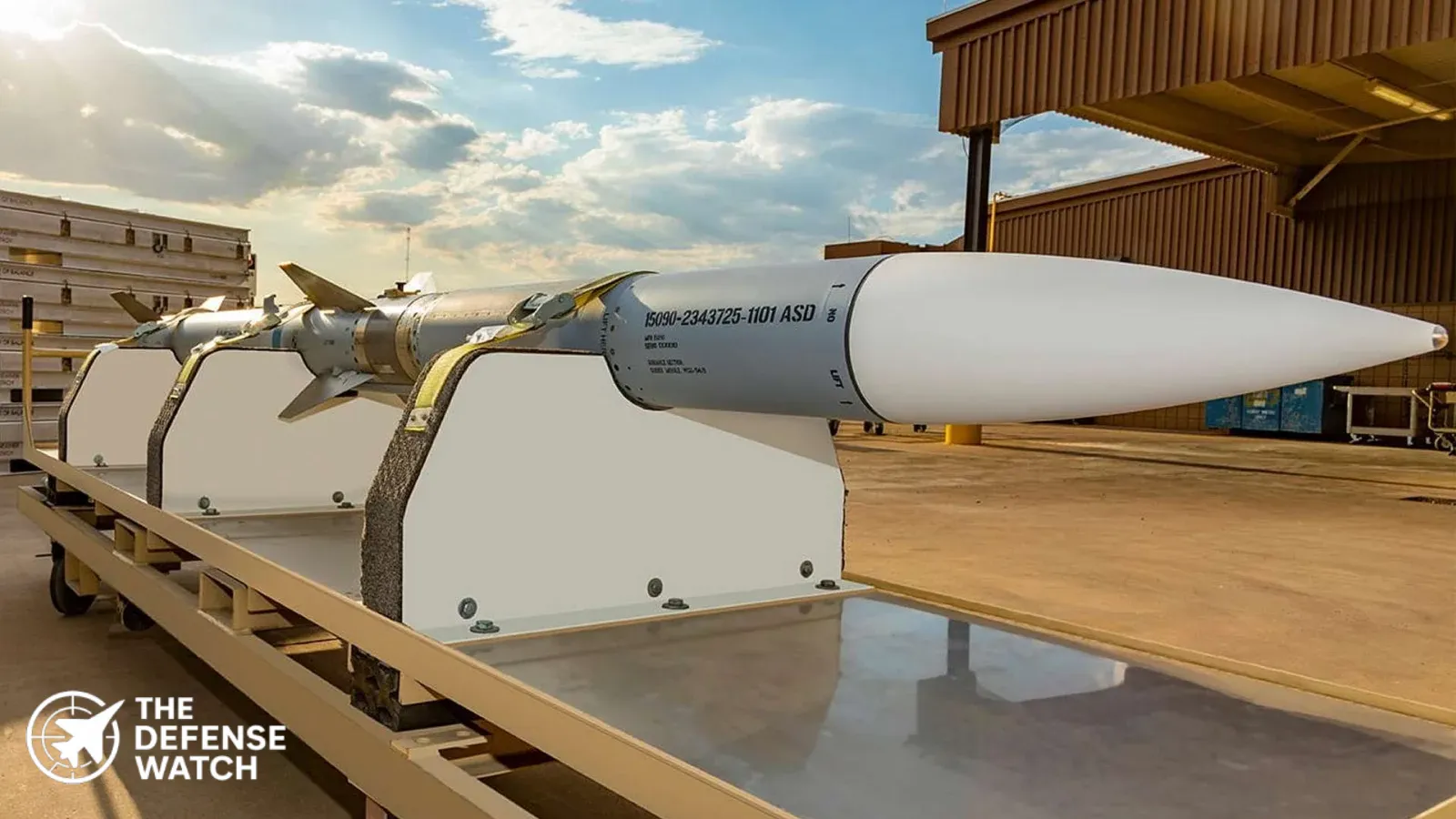
The United States has approved a potential 951 million AMRAAM ER missile sale to Denmark, aimed at strengthening the country air and missile defense capabilities. The approval was announced through the US Defense Security Cooperation Agency, marking a major step in Denmark ongoing defense modernization efforts.
The sale was cleared under the US Foreign Military Sales framework and now awaits final contract negotiations and implementation.
What the Deal Includes
According to official disclosures, the proposed package includes Advanced Medium Range Air to Air Missile Extended Range interceptors, along with related fire control systems, spare parts, logistics support, and training elements. The system is designed for ground based air defense use and offers extended engagement range compared to earlier AMRAAM variants.
The AMRAAM ER missile sale to Denmark is expected to support the country short to medium range air defense needs against aircraft, cruise missiles, and unmanned aerial threats.
Background on AMRAAM ER System
The AMRAAM ER is jointly developed by Raytheon and Kongsberg and is used in the National Advanced Surface to Air Missile System. The missile combines the AMRAAM seeker and guidance system with a larger rocket motor, providing greater reach and altitude coverage.
Denmark already operates NASAMS, making the AMRAAM ER a compatible upgrade that enhances existing air defense infrastructure without requiring a full system replacement.
Strategic Importance for Denmark and NATO
The AMRAAM ER missile sale to Denmark aligns with broader NATO efforts to reinforce integrated air and missile defense across Northern Europe. Denmark geographic position near the Baltic Sea gives it a key role in protecting allied airspace and critical infrastructure.
US officials stated that the sale supports NATO interoperability and does not alter the regional military balance. The package is intended to improve defensive readiness rather than introduce offensive capabilities.
Industry and Policy Perspective
The Defense Security Cooperation Agency confirmed that the transaction supports US foreign policy goals by strengthening the security of a NATO ally. The agency also noted that Denmark will have no difficulty integrating the system into its armed forces.
Raytheon is expected to be the primary contractor, with support from Norwegian defense firm Kongsberg for system integration and sustainment.
What Happens Next
Final contract negotiations will determine delivery timelines and system configuration. Once completed, Denmark will move forward with deployment planning and training.
The AMRAAM ER missile sale to Denmark reflects continued US support for allied air defense modernization amid evolving aerial threats in Europe.