

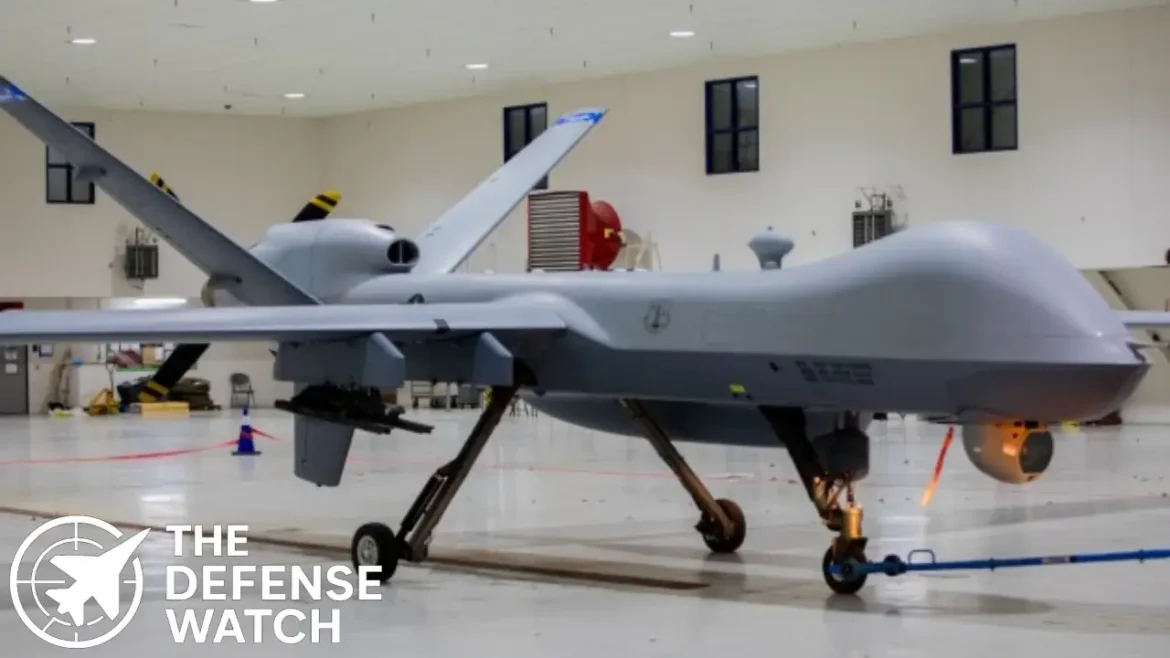
In both military and civilian contexts, the term drone—officially known as an Unmanned Aerial Vehicle (UAV) or Unmanned Aircraft System (UAS)—refers to an aircraft capable of operating without a human pilot on board, controlled remotely or autonomously. Derived originally for missions deemed “dull, dirty or dangerous,” these systems are now central to modern warfare and everyday life.
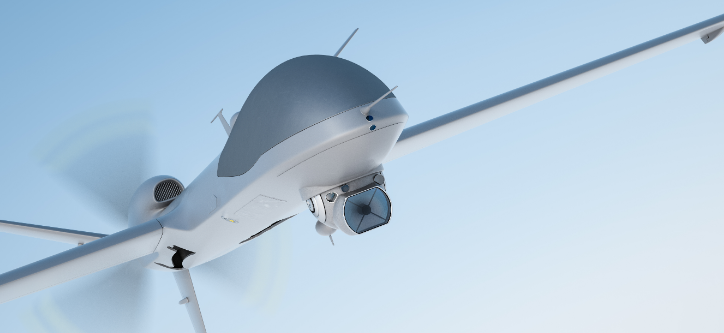
What Is a Drone? The Terminology Explained
The term “drone” is the common parlance used by the general public, while UAV is more precise, often reserved for technical, industrial, or military applications. The broader term UAS incorporates the drone itself plus its control station, communication link, and payload.
Types of Military Drones and Their Roles
- Surveillance UAVs: Equipped with cameras, thermal imaging, radar sensors—used for intelligence, monitoring borders, battlefield awareness.
- Unmanned Combat Aerial Vehicles (UCAVs): Armed with precision munitions for direct strikes—examples include Predator, Reaper drones.
- Tactical vs. Strategic Drones: Tactical UAVs weigh under 150 kg (e.g., FLIR Black Hornet), designed for close-range missions. Strategic drones exceed 150 kg—like the MQ-9 Reaper—offering extended endurance and heavier payloads.
Notable Examples
- MQ-9 Reaper: A long-endurance, medium-altitude UCAV used by the U.S. Air Force for surveillance and hunter-killer roles.
- RQ-7 Shadow: A smaller, tactical reconnaissance UAV used by the U.S. Army, launched via catapult and recovered via arresting gear.
- RQ-170 Sentinel: A stealth UAV developed by Lockheed Martin’s Skunk Works for reconnaissance missions.
How Do Drones Operate?
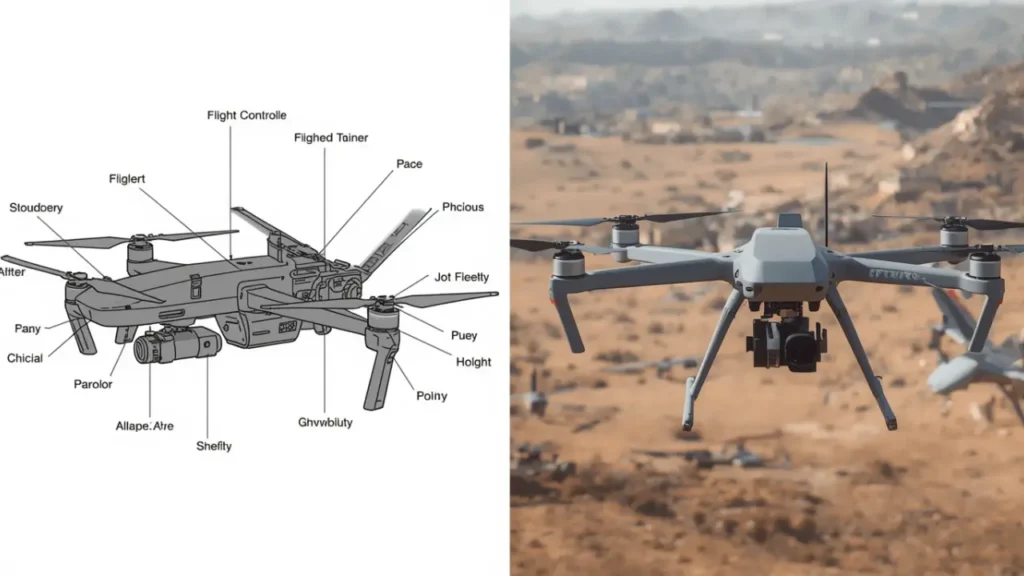
UAVs typically combine propulsion systems, flight controllers, GPS, sensors (IMUs, cameras), and communication links that allow remote or autonomous flight. Autonomy levels vary from manual control to AI-assisted operation.
Real-World Applications: Beyond Definitions
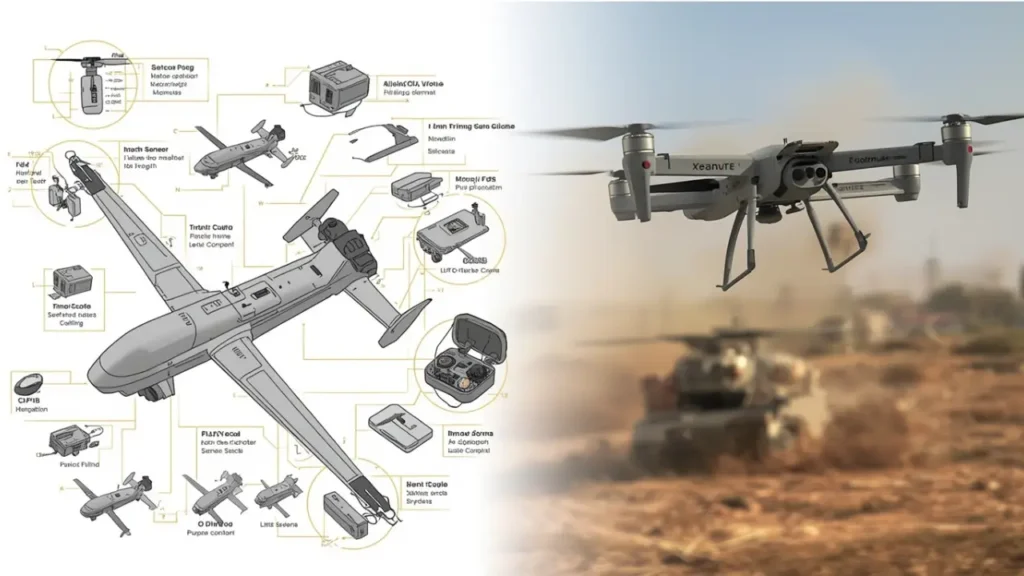
- Military and ISR: Critical for battlefield intelligence, surveillance, and reconnaissance.
- Commercial and Civil Uses: Agriculture, photography, delivery, inspections, environmental monitoring—all underscoring the drone’s versatility.
Why Drones Matter in Modern Warfare
Drones redefine warfare—impacting everything from troop safety to precision targeting. Their lower cost and adaptability make them force multipliers across domains, including air, ground, maritime, and subterranean arenas. Conflicts like Ukraine showcase drone warfare’s growing prominence, with low-cost FPV quadcopters and loitering munitions shifting combat dynamics significantly.
Analysis / Context
The evolution from basic remote-controlled aircraft to autonomous, weaponized systems underscores the urgent need for updated policies and defensive measures. As UAV capabilities expand—particularly with AI-driven swarms and loitering munitions—governments and armed forces must accelerate investment in detection, counter-UAS systems, and legal frameworks. Moreover, blurred lines between civilian and battlefield use demand rigorous oversight to prevent misuse, whether by state actors or extremist groups.
FAQs
“Drone” is a general term, while UAV refers to the aircraft itself; UAS covers the full system including control stations, communications, and payloads.
UCAVs are armed drones designed for direct combat and strike missions, unlike surveillance-only UAVs.
Tactical drones are small, short-range platforms under ~150 kg. Strategic drones are larger, higher-performance systems like MQ-9 Reaper for long-range missions.
Yes—ranging from operator-controlled to autonomous systems using AI, GPS, and onboard sensors. Complete autonomy remains limited to specific use cases.
Note: The images are AI-generated.