India Explores Su-57E Local Production as Fighter Gap Widens
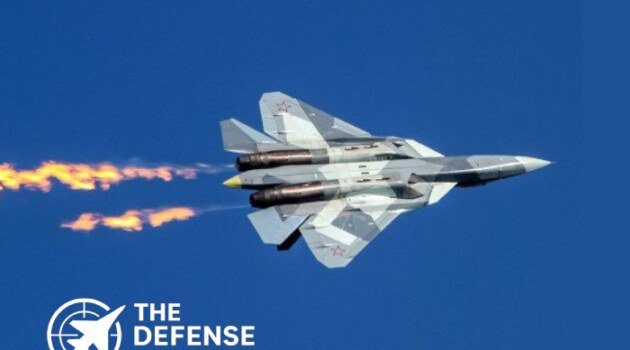
India Su-57E fighter talks have entered a deeper phase as New Delhi evaluates local production of Russia’s fifth-generation stealth aircraft to address growing capability gaps in the Indian Air Force. The discussions come as the United States quietly positions the F-35 as a potential long-term option, highlighting India’s widening set of strategic choices in fighter modernization.
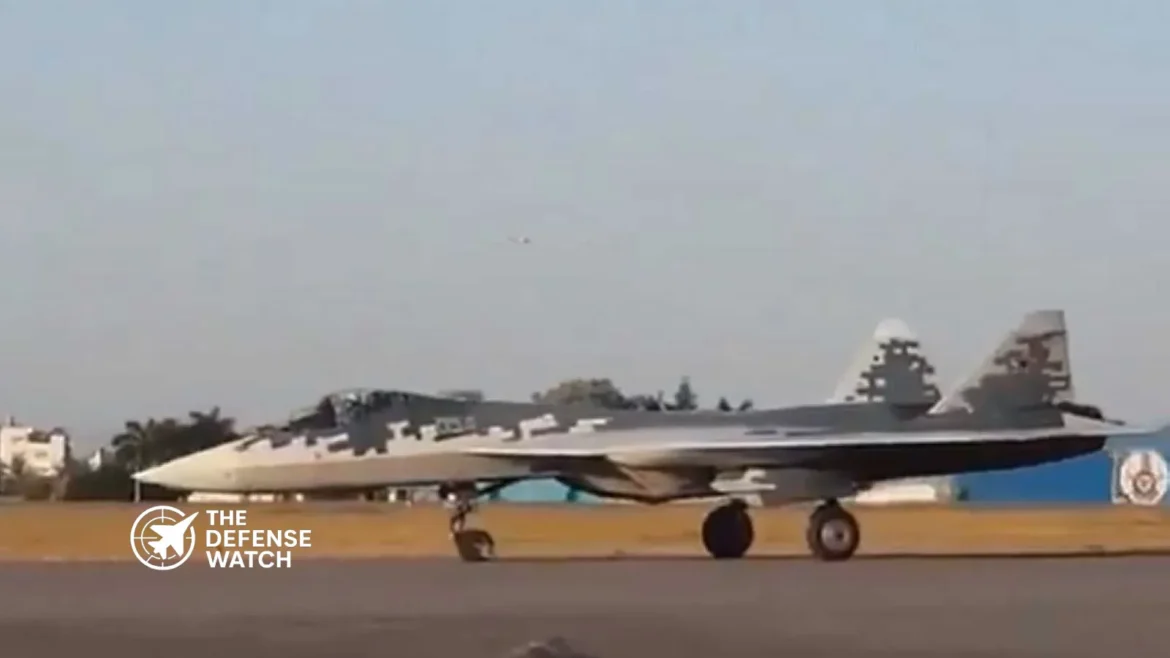
(adsbygoogle = window.adsbygoogle || []).push({});According to reporting by Army Recognition and Indian defense officials, Moscow has proposed assembling the export variant Su-57E in India, potentially under a framework aligned with Make in India defense manufacturing goals. The proposal arrives amid delays in India’s indigenous Advanced Medium Combat Aircraft program and sustained pressure from regional airpower developments in China and Pakistan.
India’s Fifth-Generation Fighter Dilemma
Capability Gaps Drive Urgency
The Indian Air Force currently operates around 30 squadrons, well below the authorized strength of 42. Modernization efforts have been slowed by delays in indigenous programs and limited progress in foreign acquisitions beyond the Rafale fleet.
China’s operational deployment of the J-20 stealth fighter has sharpened concerns in New Delhi, particularly regarding air dominance and long-range strike capabilities. In this context, India’s interest in the Su-57E reflects a near-term attempt to secure fifth-generation capabilities without waiting for domestic development timelines to mature.
The Su-57E is Russia’s export-configured version of its stealth fighter, featuring reduced sensitive technologies compared to the domestic Su-57, but retaining low observability features, internal weapons bays, and advanced sensors.
What Russia Is Offering India
Local Assembly and Technology Access
Moscow’s proposal reportedly includes domestic assembly in India, with possible technology transfer linked to avionics integration, weapons compatibility, and maintenance infrastructure. Russian officials have emphasized flexibility on customization, including the integration of Indian or third-party systems.
India previously partnered with Russia on the Fifth Generation Fighter Aircraft program, a joint derivative of the Su-57, but withdrew in 2018 citing concerns over cost, stealth performance, and engine maturity. The renewed Su-57E discussions suggest both sides are revisiting the concept under revised terms.
For India, local production would support industrial capacity, reduce long-term sustainment risks, and align with strategic autonomy objectives. For Russia, India remains one of the few partners capable of sustaining high-end aerospace cooperation amid sanctions and export restrictions.
How the U.S. F-35 Fits Into the Picture
Strategic Option, Not a Near-Term Deal
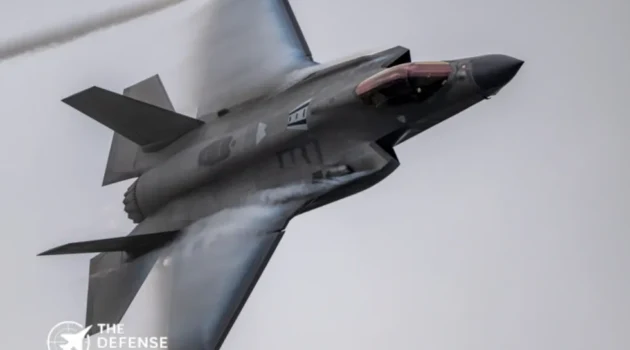
While India Su-57E fighter talks are gaining momentum, U.S. officials have increasingly referenced the F-35 as a potential future option. Any F-35 pathway would involve strict interoperability, data security, and political alignment requirements that differ significantly from Russian platforms.
Washington views India as a key Indo-Pacific partner, but an F-35 sale would require long-term policy alignment, interoperability commitments, and potential constraints on India’s existing Russian-origin systems, including the S-400 air defense network.
Defense analysts note that while the F-35 offers proven stealth performance, sensor fusion, and networked warfare capabilities, it remains a strategic rather than immediate option for India due to cost, basing requirements, and political considerations.
Operational and Technical Considerations
Stealth, Engines, and Sustainment
The Su-57E’s current configuration continues to evolve, particularly in engine development and radar cross-section reduction. Russia is working to field the Izdeliye 30 engine, which is expected to improve thrust, fuel efficiency, and thermal management.
(adsbygoogle = window.adsbygoogle || []).push({});Indian planners are expected to closely evaluate sustainment models, mission readiness rates, and lifecycle costs, areas that have historically challenged Russian-origin platforms. Western aircraft typically offer stronger logistics transparency, but at higher acquisition and operational costs.
Any Indian Su-57E variant would also require integration with existing command, control, and sensor networks, including indigenous datalinks and airborne early warning platforms.
Strategic Signaling and Geopolitical Balance
Multi-Alignment in Practice
India’s parallel engagement with Russia and the United States reflects its long-standing multi-alignment strategy. Rather than committing exclusively to one supplier, New Delhi continues to assess competing offers to preserve leverage, operational flexibility, and strategic autonomy.
The Indian Air Force fifth generation fighter decision will carry long-term implications for training pipelines, weapons inventories, and alliance interoperability, particularly as India expands defense cooperation with the United States, France, and Japan.
(adsbygoogle = window.adsbygoogle || []).push({});What Comes Next
Decision Timeline Remains Unclear
No formal contract or request for proposal has been announced. Defense officials indicate that feasibility studies, cost assessments, and operational evaluations are ongoing. Any decision is likely to follow broader reviews of India’s combat aircraft roadmap, including the AMCA and additional Rafale acquisitions.
Observers expect incremental progress rather than a rapid commitment, with India weighing industrial benefits, geopolitical risk, and operational readiness before choosing a path forward.

Russia Puts Su-57E on Display in Dubai
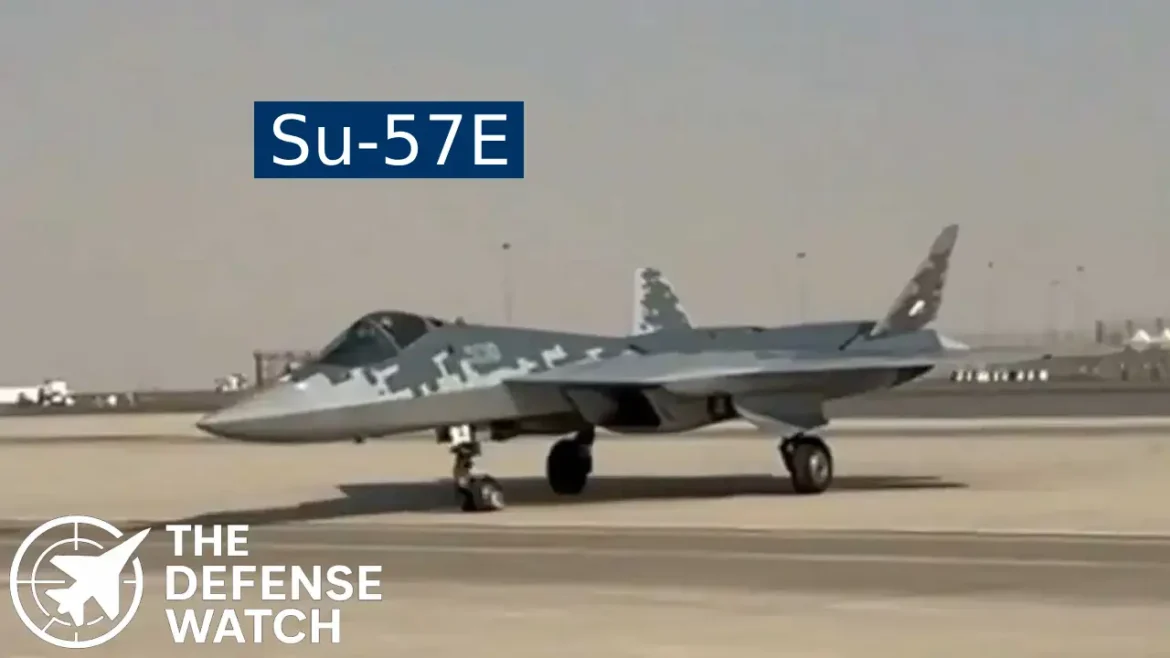
At the Dubai Airshow 2025, Russia publicly displayed its Su-57E, the export variant of the Su-57 fifth-generation fighter, for the first time in the Middle East. According to Russian defense authorities, the aircraft performed both static demonstration and flight displays — including high-angle-of-attack maneuvers, yaw rolls, and post-stall flight — to showcase its supermaneuverability and advanced thrust-vectoring capability.
Rosoboronexport and Sukhoi officials emphasized the Su-57E’s role as a multirole stealth platform suited for both air-to-air combat and strike missions.
What Makes the Su-57E Distinct
The Su-57E is tailored for export customers with certain cost optimizations, while retaining core performance traits: low observability, internal weapons bays, and a highly agile airframe.
Moscow has offered unprecedented technology transfer, including full access to the aircraft’s source code, allowing buyers to integrate their own avionics, mission computers, and weapons.
In a proposal to India, Russia has offered to produce the Su-57E locally at HAL’s Nashik facility, leveraging India’s ongoing Su-30MKI production lines.
India: A Key Target for Su-57E Sales
Russia’s outreach to India is especially ambitious. The offer includes:
- 20–30 Su-57E jets delivered off-the-shelf in the short term.
- Deep localization with 40–60% of the aircraft built in India.
- Full transfer of source code, enabling integration of Indian weapons such as the Astra air-to-air missile, Rudram anti-radiation missile, and Virupaksha AESA radar.
- Engine support: Russia has proposed supplying its AL-41F1S engine and, in the future, the newer Izdeliye-177S engine to India.
- An invitation for Indian Air Force test pilots to evaluate the Su-57E firsthand.
A recent technical assessment by a Russian delegation reportedly found that HAL already possesses around 50% of the capacity needed to produce Su-57 jets.
Export Track Record: Algeria First Customer
Algeria became the first confirmed export customer of the Su-57E, with deliveries expected in 2025. Reports suggest an initial batch of six aircraft, along with pilot training in Russia and support infrastructure.
Despite being offered at a lower price point than Western stealth fighters, the Su-57E has raised questions about sustainment, production scale, and long-term support — especially in the context of Russia’s strained defense-industrial base under sanctions.
Analysis: What This Means for U.S. Defense and Global Security
Challenging U.S. Dominance in Stealth Exports:
The Su-57E’s public debut in Dubai signals Russia’s renewed ambition to compete in the global fifth-generation market. Traditionally, stealth fighter exports have been dominated by U.S. aircraft such as the F-35. Offering source code access and deep technology transfer marks a departure from conventional Western export models, potentially appealing to countries that prioritize operational sovereignty.Strategic Implications in the Indo-Pacific:
Russia’s pitch to India reflects a long-term vision. If India accepts and co-produces the Su-57E, New Delhi could develop a homegrown stealth ecosystem, weakening U.S. leverage and shifting the regional defense balance. This comes amid India’s development of its own Advanced Medium Combat Aircraft (AMCA), and could act as an interim solution for India’s fifth-generation ambitions.Sustainment Risks and Geopolitical Constraints:
However, questions remain. Russia’s own Su-57 program has faced production delays, and sanctions could complicate parts supply and long-term maintenance for export customers. For Gulf buyers, embracing the Su-57E may offer cost-effective stealth, but it also ties them to a partner facing geopolitical and industrial headwinds. These aspects could limit broad adoption unless Russia proves it can reliably deliver and sustain the platform.Conclusion: Strategic Push and Watch for Buyers
Russia’s showcase of the Su-57E at the Dubai Airshow may mark a turning point in global stealth fighter exports. By combining attractive pricing, technology transfer, and export readiness, Moscow is staking out a position as a major competitor to traditional Western suppliers.
For buyers in the Middle East and Asia, the Su-57E represents a compelling, sovereign-rich path to fifth-generation combat capability. But the critical test ahead will be whether Russia can deliver on sustainment, production scale, and parts reliability under increasingly challenging geopolitical conditions.
As discussions deepen — especially with key potential buyers such as India — the Su-57E deal could reshape regional airpower dynamics and trigger a reassessment of long-term procurement strategies. For U.S. defense stakeholders, this underlines the need to sharpen competitive offerings and deepen alliances to counter Russia’s growing influence in the global stealth market.