What Is AESA Radar
Active electronically scanned array radar is a type of radar that steers its beam using electronic control rather than physical motion. Instead of relying on a single dish that moves, an AESA radar uses many small transmit/receive modules that can each send and receive signals independently. This design lets the radar point its beam quickly and flexibly without moving parts.
How AESA Radar Works
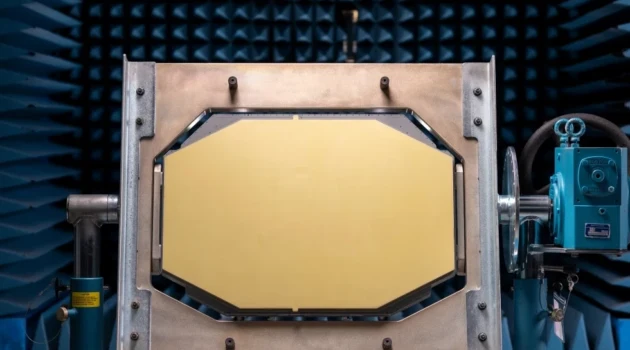
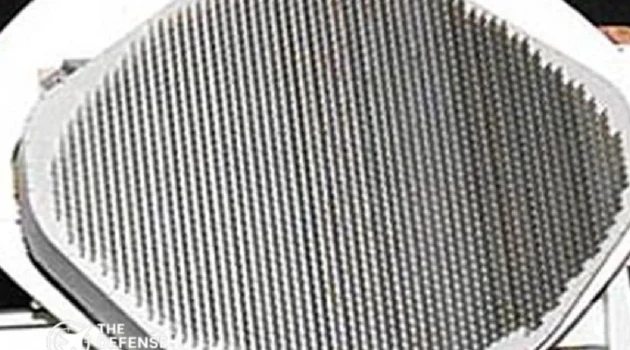
AESA radar is built from a grid of tiny antenna elements, each with its own transmitter and receiver. When these elements send out radio waves in a coordinated way, the phases of the waves combine to form a focused beam in a chosen direction. The beam can be steered electronically by adjusting the timing of the signals from each element. Because this is done with electronics and not mechanical movement, the radar can switch direction in microseconds.
Each module can also use different frequencies for each pulse. This frequency agility helps the radar avoid interference and makes it harder for enemies to detect or jam the signal.

Why AESA Radar Is Important
AESA radar is now a key sensor in many defense platforms. It gives forces faster detection, better tracking, and improved resistance to countermeasures. Faster beam steering and the ability to form multiple beams at once give operators a more complete picture of the battlespace in real time.

Radars using older mechanical systems or passive arrays simply cannot match the speed and flexibility of an AESA system. The electronic control improves reliability because there are fewer moving parts to wear out or break in harsh environments.
Where AESA Radar Is Used
AESA radar is now common across many kinds of defense systems:
Fighter Jets
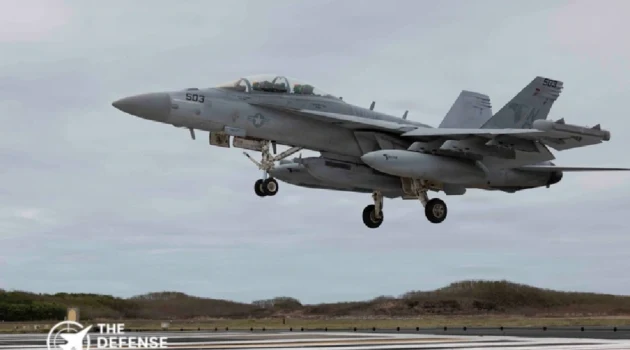
Modern combat aircraft often use AESA for air-to-air and air-to-ground roles. Examples include US fifth‑generation fighters.Unmanned Systems
Advanced drones and unmanned combat aircraft can carry AESA radar to survey areas and guide weapons without pilot risk.Naval Ships
Warships use large AESA arrays for long‑range surveillance and missile guidance. Some destroyers and carriers have multifunction AESA radars for tracking air and surface threats.Ground Systems
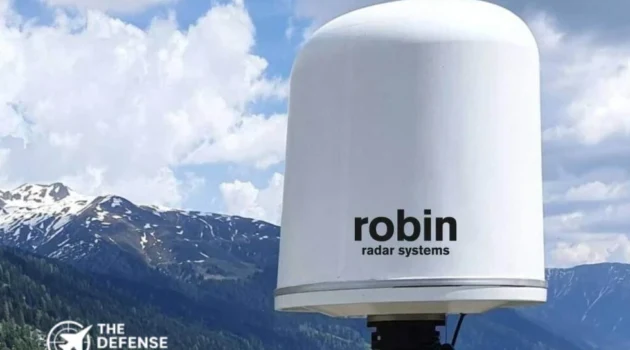
Air defense networks and mobile radars use AESA to detect aircraft, missiles, and other threats with high precision.Key Features of AESA Radar
Electronic Beam Steering
Beams change direction fast without mechanically moving the antenna.Frequency Agility
Each pulse can use a different frequency, making the radar harder to detect and jam.Multiple Beams
The system can form more than one beam at the same time for scanning, tracking, and guidance.Modular Design
If one transmit/receive module fails, the radar still works at slightly reduced performance.Benefits Over Older Systems
Speed and Accuracy
Electronic steering gives faster updates and tighter tracking than systems that rely on physical movement.Reliability
Fewer moving parts mean less maintenance and higher uptime in the field.Resilience to Jamming
Rapid frequency changes and wideband operation make it harder for adversaries to interfere.Multitasking
AESA can do search, track, and other modes at once, improving situational awareness.Applications in Defense
Air Combat
In fighters, AESA helps pilots detect and engage several targets at once while guiding their weapons.Surveillance and Reconnaissance
AESA radar on airborne early warning aircraft or drones scans wide areas and feeds data back to commanders.Targeting and Weapon Guidance
The radar provides precise target coordinates to missile systems on air, land, or sea platforms.Electronic Warfare Support
Some AESA systems can assist with detecting enemy emissions and supporting counter‑measures.Real‑World Examples
AN/APG‑81
This is the radar used on the F‑35 Lightning II. It combines search and track with functions like electronic protection and support.EL/M‑2052
An AESA fire control radar fitted on some fighter aircraft upgrades, including Indian and export jets.Large Ship Radars
Naval AESA radars like multifunction arrays support air and missile defense on modern warships.These systems show how AESA technology has become part of frontline defense hardware around the world.
Limitations and Considerations
Cost and Complexity
AESA systems are more expensive and complex than older radar types. Thousands of modules and advanced signal processing add to the price.Power and Cooling
Many modules produce heat and need power and cooling systems that can challenge smaller platforms.Electronic Countermeasures Environments
AESA is resistant to jamming, but very dense, sophisticated electronic attack environments still require careful design and tactics.Summary
AESA radar is a modern radar technology that uses many electronically controlled elements to scan and track without moving parts. It gives faster response, better multitasking, improved reliability, and stronger resistance to interference. You find AESA on fighter aircraft, drones, ships, and ground defenses. It is a key sensor in today’s military systems, despite cost and power needs.
FAQs
What does AESA stand for?AESA stands for Active Electronically Scanned Array. It is a radar system where the beam is steered electronically rather than mechanically, using multiple small transmit/receive modules.
How is AESA different from traditional radar?Traditional radar uses a single moving antenna to scan an area. AESA uses many small modules to steer the beam electronically, allowing faster scanning, multiple simultaneous beams, and better resistance to jamming.
Where is AESA radar used?AESA radar is used on fighter jets, drones, naval ships, and ground-based air defense systems for surveillance, targeting, and threat tracking.
What are the main benefits of AESA radar?The key benefits include faster target detection, multiple task handling, higher reliability, resistance to electronic interference, and precision tracking of air, sea, or ground targets.
Are there any limitations to AESA radar?Yes. AESA systems are expensive, complex, and require significant power and cooling. While highly resistant to jamming, very dense electronic warfare environments may still challenge their performance.