

Russia Deploys R-77 FrankenSAM Air Defense System
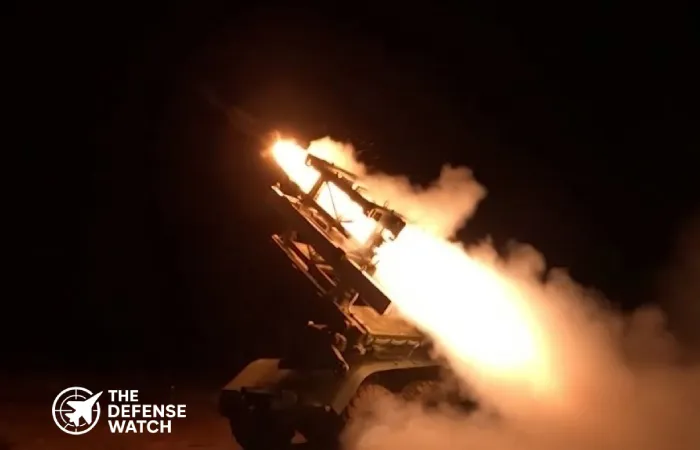
Russia has deployed the R-77 FrankenSAM air defense system in response to sustained Ukrainian drone strikes, marking a notable shift in how Moscow is adapting existing missile technology for new operational roles.
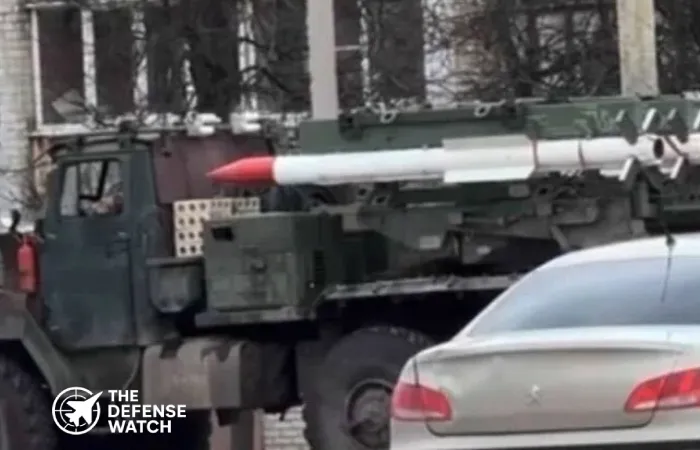
The system integrates the R-77 air-to-air missile, traditionally used by fighter aircraft, into a ground-based air defense configuration. This adaptation enables Russian forces to expand their short- to medium-range air defense coverage without relying solely on purpose-built surface-to-air missile systems.
The development comes as Ukrainian unmanned aerial vehicle operations continue to target logistics hubs, airbases, and energy infrastructure deep behind Russian lines.
- Russia has reportedly deployed the R-77 FrankenSAM air defense system using modified air-to-air missiles for ground launch.
- The system is designed to counter increasing Ukrainian drone strikes targeting infrastructure and military sites.
- R-77 missiles, originally developed for fighter aircraft, are adapted for surface-to-air interception roles.
- The deployment highlights Russia’s effort to expand layered air defense under operational pressure.
- The move reflects a broader trend of improvised air defense solutions in modern high-intensity conflict.
Adapting Air-to-Air Missiles for Ground Defense
The R-77 missile, known by its NATO designation AA-12 Adder, is an active radar-guided weapon designed for beyond-visual-range aerial combat. Its conversion into a ground-launched interceptor reflects a pragmatic approach to battlefield constraints.
In the FrankenSAM configuration, the missile is reportedly integrated with modified launch platforms and radar systems capable of cueing targets from the ground. This allows Russian forces to repurpose existing stockpiles of air-launched munitions for air defense roles.
Such adaptations are not unprecedented. Both Russian and Ukrainian forces have previously explored hybrid air defense solutions, particularly as traditional systems face attrition or supply limitations.
However, the effectiveness of these conversions depends heavily on integration quality, sensor coverage, and command-and-control coordination. Ground-based launches typically impose different kinematic and targeting constraints compared to airborne deployments.
Operational Context: Rising Drone Pressure
The deployment of the R-77 FrankenSAM air defense system underscores the growing impact of drone warfare in the Russia-Ukraine conflict.
Ukrainian forces have increasingly relied on a mix of long-range drones and loitering munitions to strike targets beyond the front lines. These systems are often low-cost, difficult to detect, and deployed in large numbers, complicating traditional air defense strategies.

For Russia, this has created a demand for scalable and cost-effective interception solutions. High-end systems such as S-300 or S-400 are not always optimal for engaging small, low-signature drones due to cost and availability considerations.
By contrast, adapting existing missile inventories offers a quicker and potentially more flexible response, even if performance trade-offs exist.
Implications for Russia’s Layered Air Defense
The introduction of the R-77 FrankenSAM air defense system suggests a broader effort by Russia to reinforce its layered air defense network.
Russia traditionally relies on a multi-tiered approach combining long-range systems, medium-range interceptors, and short-range point defenses. The addition of improvised systems like FrankenSAM could help fill gaps, particularly in rear-area protection.
From an operational standpoint, this approach may increase redundancy and complicate adversary targeting. However, it also introduces variability in system performance and logistical complexity.
Analysts note that integrating non-standard systems can strain command structures and maintenance chains, especially in high-tempo operations.
A Broader Trend in Modern Warfare
The emergence of FrankenSAM-type systems reflects a wider trend in modern conflict: rapid adaptation under pressure.
Both sides in the Russia-Ukraine war have demonstrated an ability to innovate using available resources, whether through drone modifications, electronic warfare adjustments, or hybrid air defense solutions.
This dynamic highlights a key lesson for military planners. Flexibility and the ability to repurpose existing systems can be as critical as developing new platforms.
At the same time, such adaptations often serve as interim solutions rather than long-term replacements for dedicated systems.
Conclusion
Russia’s deployment of the R-77 FrankenSAM air defense system represents a tactical response to evolving threats rather than a fundamental shift in air defense doctrine.
While the system may provide additional capacity against Ukrainian drones, its overall effectiveness will depend on integration, deployment scale, and operational coordination.
As drone warfare continues to shape the battlefield, both sides are likely to expand similar adaptive approaches, reinforcing the importance of innovation in modern high-intensity conflict.
UK AI Drones For Mine Detection Enter Critical Testing Phase
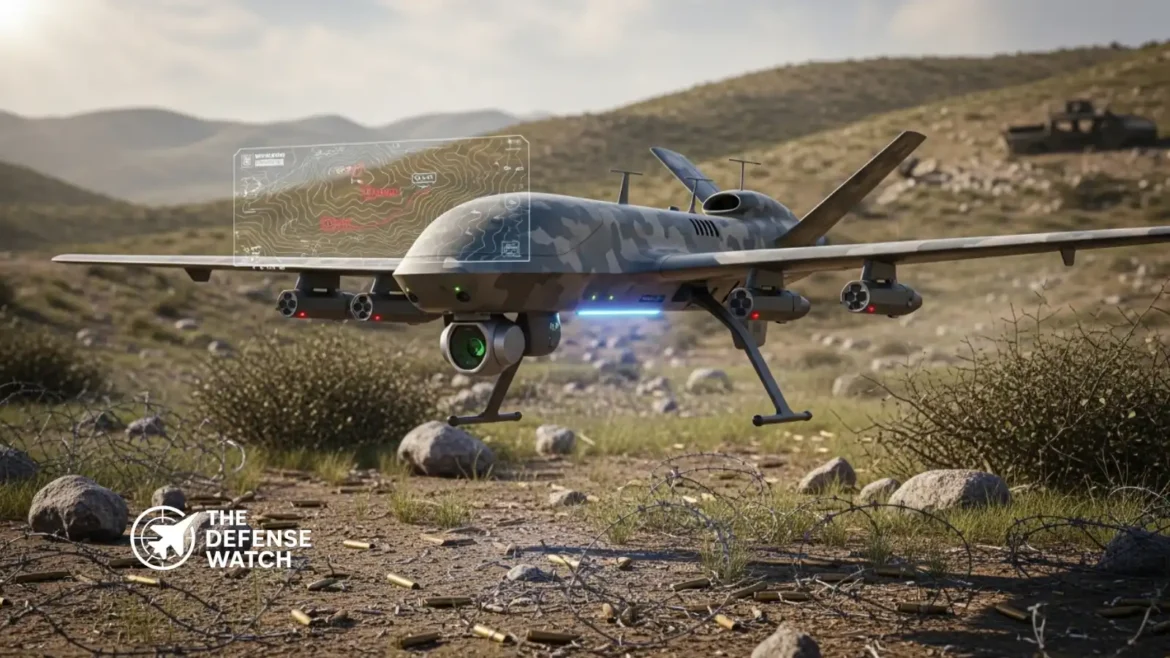
The UK AI drones for mine detection are now being actively tested to improve how British troops identify and avoid hidden explosives in combat zones.
The trials focus on unmanned aerial systems equipped with artificial intelligence and advanced sensing tools capable of scanning terrain for landmines and unexploded ordnance. These threats remain one of the most persistent dangers in modern conflicts, especially in areas with legacy minefields or recent combat activity.
Unlike traditional clearance methods, which often rely on manual probing or ground-based vehicles, these drones operate from above, reducing direct exposure for soldiers.
- The UK is trialing AI-powered drones to detect landmines and unexploded ordnance on the battlefield.
- The system uses advanced sensors and machine learning to identify threats from the air.
- Trials aim to reduce risk to soldiers by minimizing the need for manual mine clearance.
- The technology is being tested in realistic combat scenarios to validate operational use.
- The effort reflects growing investment in AI-driven battlefield systems by Western militaries.
How The AI System Works
The UK AI drones for mine detection combine aerial imaging with machine learning algorithms trained to recognize patterns linked to buried explosives.
Sensors mounted on the drones can detect subtle disturbances in soil, heat variations, or other indicators that may signal the presence of mines. The AI then processes this data in near real time, flagging potential threats for further investigation.
This approach offers two key advantages. First, it speeds up the detection process across large areas. Second, it reduces false positives by improving identification accuracy over time as the system learns from new data.
According to defense analysts, integrating AI into reconnaissance platforms is becoming standard practice across NATO forces, particularly in high-risk environments.
Operational Impact On Battlefield Safety
The introduction of UK AI drones for mine detection could significantly change how military units approach mobility in contested areas.
Minefields have long been used to deny terrain and slow advancing forces. Clearing them is time-consuming and dangerous. By shifting detection to unmanned systems, commanders gain faster route clearance and better situational awareness.
This capability is especially relevant in conflicts where improvised explosive devices and hidden mines are widely used. The ability to scan roads, supply routes, and defensive positions from the air can reduce casualties and maintain operational tempo.
From a tactical standpoint, these drones could support both offensive and defensive operations. They enable safer maneuvering for advancing troops and help secure newly captured territory.
Broader Trend In AI-Driven Warfare
The development of UK AI drones for mine detection reflects a wider shift toward autonomous and semi-autonomous systems in modern militaries.
The United States, European allies, and other advanced forces are investing heavily in AI for surveillance, targeting, logistics, and threat detection. Mine detection is a logical application due to the repetitive and hazardous nature of the task.
What sets this effort apart is the integration of multiple technologies, including computer vision, sensor fusion, and autonomous navigation, into a single platform.
However, experts caution that AI systems still require human oversight, particularly in high-stakes environments. Misidentification or system errors could have serious consequences, making validation and testing critical before full deployment.
Challenges And Limitations
While promising, the UK AI drones for mine detection face several operational challenges.
Environmental factors such as dense vegetation, uneven terrain, and weather conditions can affect sensor performance. Mines that are deeply buried or constructed with minimal metal content may also be harder to detect.
In addition, electronic warfare threats, including jamming or spoofing, could disrupt drone operations in contested environments.
To address these issues, ongoing trials are focused on refining algorithms and improving sensor resilience. Real-world testing is essential to ensure the system performs reliably under battlefield conditions.
Strategic Implications
The adoption of UK AI drones for mine detection highlights the increasing role of automation in reducing human risk while maintaining combat effectiveness.
As militaries prepare for high-intensity conflicts, the ability to move safely and quickly across contested terrain becomes a decisive factor. Technologies that enhance survivability without slowing operations are likely to see rapid adoption.
For the UK, this initiative also reinforces its commitment to modernizing land forces through innovation and partnerships with defense technology firms.
Conclusion
The ongoing trials of UK AI drones for mine detection mark a significant step toward safer and more efficient battlefield operations.
By combining AI with unmanned aerial systems, the British military is addressing a long-standing threat with a modern solution. While challenges remain, the potential to reduce casualties and accelerate mission timelines makes this technology a key area to watch.