Pakistan and Saudi Arabia Discuss $4B JF-17 Fighter Jet Deal
Pakistan and Saudi Arabia are reportedly negotiating a $4 billion deal to provide Saudi Arabia with JF-17 fighter jets, converting about $2 billion in Saudi loans into aircraft procurement, according to two Pakistani sources familiar with the talks.
The discussions follow a mutual defense pact signed in September 2025, committing both nations to treat any aggression against either as an attack on both, reinforcing a long-standing security partnership.
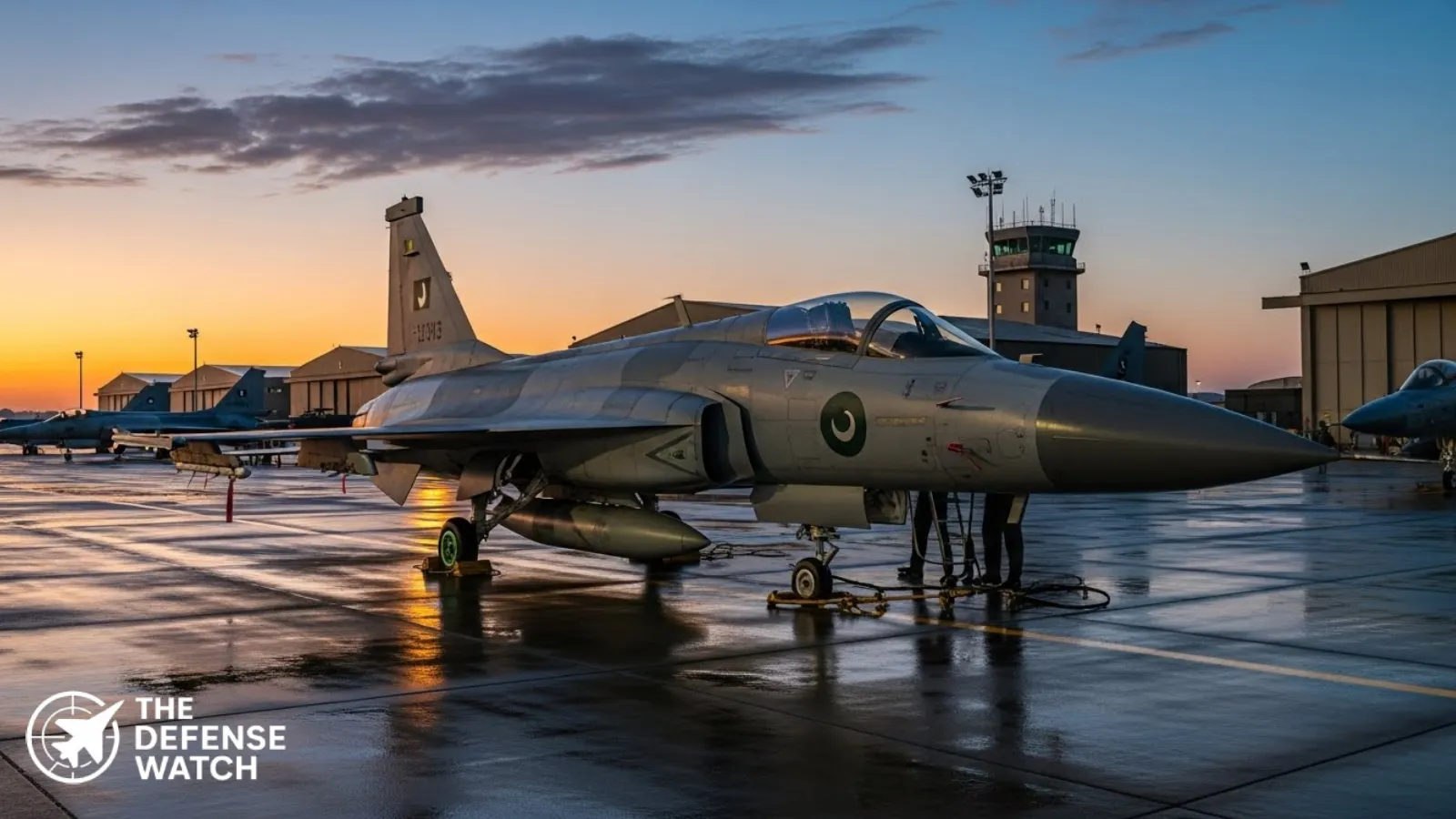
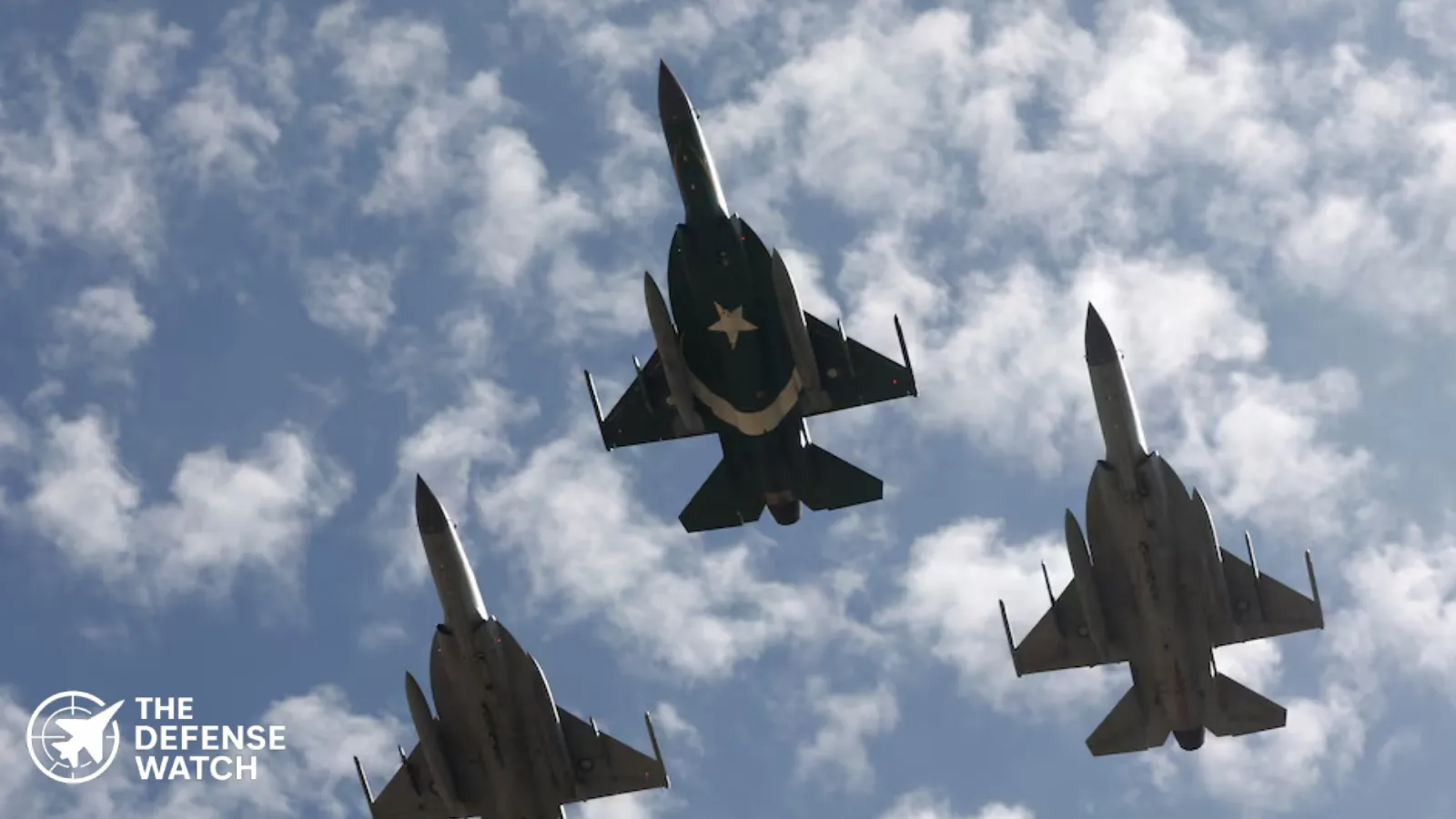
The JF-17 Thunder, a light combat aircraft co-developed by Pakistan and China, has seen operational use, including deployment during the May 2025 conflict with India. Analysts highlight its cost-effectiveness and combat-proven performance as key factors driving its export potential.
Pakistan’s Air Chief, Zaheer Ahmed Baber Sidhu, recently visited Saudi Arabia to discuss bilateral defense cooperation, regional security, and future military collaboration with Lieutenant General Turki bin Bander bin Abdulaziz.
Sources indicate the total package may include an additional $2 billion in equipment beyond the loan conversion, with JF-17s remaining the primary option under discussion. Pakistani authorities have not officially confirmed details, and Saudi officials have not commented.
Retired Air Marshal Aamir Masood noted Pakistan is negotiating defense equipment deals with six countries, with JF-17s and associated electronic systems among the primary offerings. He emphasized that the aircraft’s combat record and affordability enhance its marketability.
Historically, Saudi Arabia has supported Pakistan financially during periods of economic stress, including a $6 billion support package in 2018 and multiple deferred deposit arrangements in recent years, helping Islamabad stabilize foreign reserves.
Pakistan has been actively expanding its defense exports, seeking to leverage domestically produced military platforms like the JF-17 to strengthen strategic and economic ties.
Pakistan and Libya have concluded a defense agreement worth over $4 billion to supply JF-17 fighter jets, trainer aircraft, and associated military support, according to officials and documents seen by international agencies. The pact, signed late December 2025 after talks in Benghazi, aims to strengthen military cooperation and includes aircraft delivery, pilot training, and additional defense equipment.
Details of the Pakistan Libya Defense Deal
The agreement calls for the export of 16 JF-17 multirole fighter jets, jointly developed by Pakistan and China, and 12 Super Mushak basic trainer aircraft for pilot training. These aircraft form the core delivery schedule, with shipments and support expected over roughly two and a half years.
Pakistani defense sources described this as one of Islamabad’s largest weapons export packages, though exact figures vary, with some officials placing the total closer to $4.6 billion when additional training, logistics, and equipment are included.
Strategic Context and Cooperation
The deal was finalized after meetings in Benghazi between Pakistan’s Chief of Army Staff Field Marshal Asim Munir and senior leaders of Libya’s eastern-based Libyan National Army (LNA). The LNA said the pact also covers joint training and potential collaboration on military production.

Pakistan’s defense industry has been pushing for expanded exports of indigenous platforms like the JF-17 Thunder, seen as a cost-competitive multirole fighter in global markets.
UN Embargo Issues
Libya has been under a United Nations arms embargo since 2011, requiring Security Council approval for weapon transfers. The extent to which the new pact complies with these restrictions remains unclear. Pakistani officials have maintained that the deal does not breach UN rules, though enforcement of the embargo has been widely considered inconsistent.
Impact and Next Steps
If fully implemented, the agreement would mark a significant milestone for Pakistan’s defense exports and military cooperation with a North African partner. It could reshape Libya’s air capabilities by adding structured training pipelines and modern combat aircraft to its forces. Observers will watch how delivery schedules, compliance with international norms, and broader regional dynamics unfold in the months ahead.