Finland F-35A Training Marks Key Step Toward Operational Capability
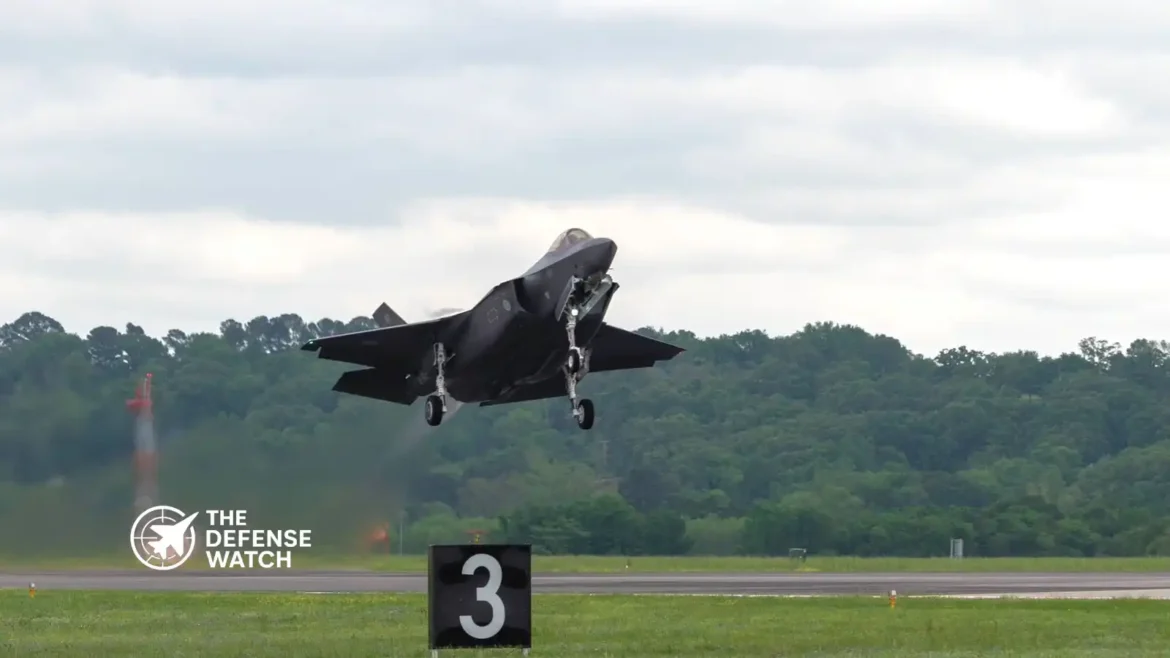
Finland F-35A training has reached a critical milestone after a Finnish Air Force pilot completed the country’s first flight in the F-35A in the United States, signaling steady progress toward operational readiness. The development was reported by Defence Industry Europe, highlighting the growing pace of Finland’s transition to fifth-generation airpower.
The flight forms part of a structured training pipeline conducted in close coordination with the U.S. Air Force. Finnish pilots and ground crews are undergoing comprehensive instruction designed to prepare them for the complexities of operating the stealth fighter, including sensor fusion, network-centric warfare, and advanced mission planning.
This milestone is not symbolic. It reflects a tangible shift from procurement to capability development.
- A Finnish Air Force pilot has completed the first F-35A flight in the United States as part of Finland’s training program.
- The training is being conducted in cooperation with the U.S. Air Force to prepare Finnish crews for operational deployment.
- Finland selected the F-35A in 2021 to replace its legacy F/A-18 Hornet fleet under the HX fighter program.
- Initial operational capability is expected later this decade as aircraft deliveries and training progress.
- The milestone reflects Finland’s broader integration into NATO airpower and advanced combat aviation networks.
Transition From Legacy Fighters To Fifth-Generation Capability
Finland selected the F-35A Lightning II in 2021 under its HX fighter program to replace its aging fleet of F/A-18 Hornets. The decision aligned Helsinki with a growing group of European operators adopting the platform to maintain technological parity with near-peer competitors.
The Finland F-35A training effort is central to that transition. Unlike legacy aircraft, the F-35A requires a different operational mindset. Pilots must manage large volumes of fused data while operating in contested environments where stealth and electronic warfare play decisive roles.
Training in the United States allows Finnish personnel to integrate directly into an established ecosystem. This includes exposure to U.S. operational doctrine, maintenance practices, and joint mission scenarios. Such integration reduces the time needed to achieve effective combat readiness once the aircraft are delivered to Finland.
Strategic Context: NATO Integration And Regional Deterrence
The timing of Finland’s F-35A training progress is significant. Following its accession to NATO, Finland is rapidly aligning its defense posture with alliance standards. The F-35A is widely regarded as a cornerstone of NATO’s future airpower architecture due to its ability to operate as a force multiplier across domains.
From a strategic perspective, Finland’s adoption of the F-35A enhances deterrence in Northern Europe. The aircraft’s stealth characteristics and advanced sensors improve situational awareness across the Baltic region, an area of increasing military activity.
The Finland F-35A training program also supports interoperability. Finnish pilots trained alongside U.S. and allied counterparts will be better positioned to participate in joint operations, exercises, and integrated air defense missions.
This interoperability is critical. Modern conflicts are unlikely to be fought in isolation, and shared platforms simplify coordination at both tactical and operational levels.
Building Toward Operational Readiness
While the first flight marks a major milestone, Finland’s path to full operational capability remains phased. Training will continue in the United States before transitioning to domestic operations as aircraft deliveries begin.
Ground crews, logistics personnel, and command structures must also adapt. The F-35A introduces new maintenance requirements and digital infrastructure, including secure data systems that support mission planning and real-time updates.
The Finland F-35A training framework is designed to address these challenges early. By building expertise ahead of aircraft delivery, Finland aims to avoid capability gaps during the transition period.
Initial operational capability is expected later in the decade, with full operational capability to follow as more aircraft enter service and training cycles mature.
Analysis: Why This Milestone Matters
The first Finnish F-35A flight represents more than pilot proficiency. It demonstrates that Finland is effectively executing one of Europe’s most significant fighter modernization programs.
From an operational standpoint, early training milestones reduce long-term risk. Countries that delay training often face bottlenecks when aircraft deliveries accelerate. Finland’s approach suggests a deliberate effort to synchronize training, infrastructure, and procurement timelines.
There is also a broader geopolitical signal. By advancing its F-35A training in partnership with the United States, Finland reinforces its commitment to transatlantic defense cooperation. This is particularly relevant given evolving security dynamics in Northern and Eastern Europe.
At the same time, the reliance on U.S.-based training highlights the continued importance of American infrastructure in enabling allied capability development. Even as European defense initiatives expand, U.S. platforms and training ecosystems remain central to NATO’s operational readiness.
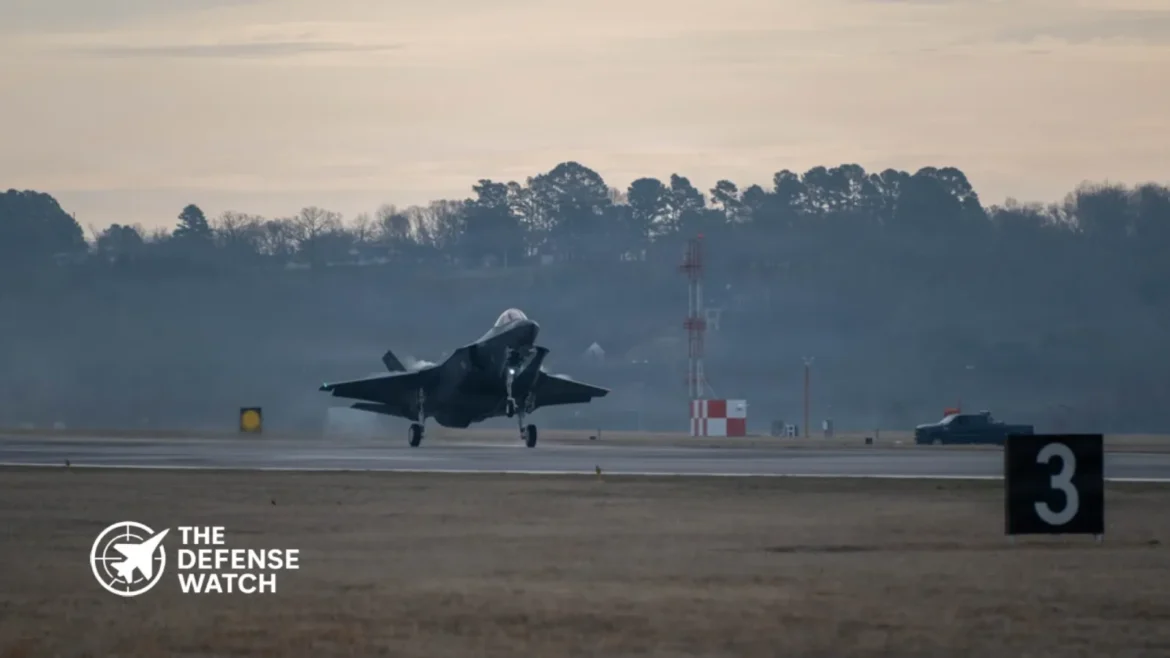
- ► Finland ordered 64 F‑35A Lightning II fighters in its HX program to replace F/A‑18 Hornets.
- ► The second aircraft, JF‑502, landed at Ebbing Air National Guard Base, Arkansas on February 18, 2026.
- ► Ebbing hosts the 57th Fighter Squadron, training international F‑35 pilots.
- ► The FMS program links Finnish jets to U.S. Air Force training and support.
- ► Finland’s first F‑35A, JF‑501, arrived at Ebbing in January 2026.
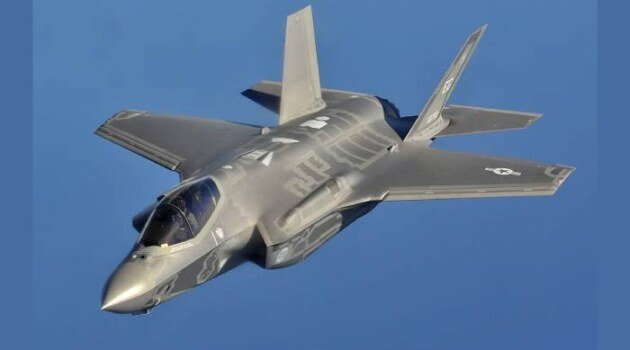
Finland’s second F‑35A Lightning II multirole fighter aircraft, tail number JF‑502, landed at Ebbing Air National Guard Base in Fort Smith, Arkansas on February 18, 2026 as part of the U.S. Foreign Military Sales program supporting Finnish pilot training operations.
Arrival And Training Mission
The Finnish Air Force continues building its F‑35A fleet, procured under a 64‑jet contract to replace legacy F/A‑18 Hornet fighters in the HX program. After the first aircraft, JF‑501, touched down at Ebbing in January, JF‑502’s arrival marks the next phase of training for Finnish pilots and maintainers under the U.S. Air Force training framework.
Ebbing, adjacent to Fort Smith Regional Airport, serves as a key training node for NATO and allied F‑35 units. The 57th Fighter Squadron, reactivated in 2024 to support international training, operates alongside the U.S. Air National Guard and hosts multinational pilot programs including Polish and Finnish F‑35 trainees. Short‑term missions are designed to help incoming aircrews become proficient on the aircraft and its systems before aircraft return to Finland or transit to bases in Europe.
Broader F‑35 Program Context
Finland’s acquisition is part of a larger trend of allied nations moving to the F‑35 platform for multirole air superiority and interoperability with U.S. and NATO forces. The Lightning II remains a core component of air defense modernization across Europe, with multiple nations receiving or training on F‑35A variants.
Ebbing’s role complements other U.S. training hubs such as Eglin AFB in Florida and supports rising allied demand for fifth generation fighter pilot throughput. The integration of foreign pilots at U.S. training bases helps standardize tactics and supports collective defense postures.
What Comes Next
With JF‑502 now in place, Finland’s F‑35 training rotation will continue through 2026 and into 2027. Additional aircraft will likely follow to support expanded training and evaluation phases before units begin transitioning jets to operational squadrons in Finland later in the decade.

Finland F-35A Delivery Begins
Finland F-35A delivery has officially begun with the handover of the first F-35A fighter jet to the Finnish Air Force. The aircraft was delivered from Lockheed Martin’s production line in the United States, marking a major milestone in Finland’s long-term air combat modernization program.
(adsbygoogle = window.adsbygoogle || []).push({});The delivery follows Finland’s 2021 decision to select the F-35A as the replacement for its aging F-18 Hornet fleet. The program represents the largest defense procurement in Finnish history and a central pillar of the country’s future air defense posture.
Strengthening Finnish Air Power
The Finnish Air Force plans to acquire a total of 64 F-35A aircraft under the HX Fighter Program. The fleet will gradually replace F-18 Hornets, which are scheduled to retire by the early 2030s.
According to the Finnish Ministry of Defense, the F-35A was selected for its ability to operate in contested airspace, its advanced sensors, and its ability to integrate with allied forces. The aircraft’s stealth design and data-sharing capabilities are expected to significantly enhance Finland’s situational awareness and deterrence capability.
NATO Interoperability and Regional Security
Finland’s F-35A delivery also strengthens interoperability with NATO allies. Several NATO members, including the United States, Norway, Denmark, and the Netherlands, already operate or are transitioning to the F-35 platform.
Defense officials have highlighted that shared aircraft types simplify joint training, logistics, and operational planning. This is particularly relevant for Finland following its accession to NATO, as the country focuses on collective defense in Northern Europe.
Training and Operational Timeline
Initial aircraft will be used primarily for pilot training and system familiarization. Finnish pilots and maintainers have already been training in the United States as part of the program.
Operational deployment in Finland is expected later in the decade as additional aircraft are delivered and supporting infrastructure is completed. The Finnish Air Force has stated that the F-35A will be tailored to operate from dispersed bases, a core element of Finland’s air defense doctrine.
Program Cost and Industrial Participation
The F-35A acquisition is valued at approximately 8.4 billion euros, covering aircraft, weapons, training, and sustainment. Finnish industry is also involved in the program, with local companies participating in component manufacturing and long-term maintenance support.
Officials have emphasized that domestic industrial participation will help ensure fleet availability throughout the aircraft’s service life.
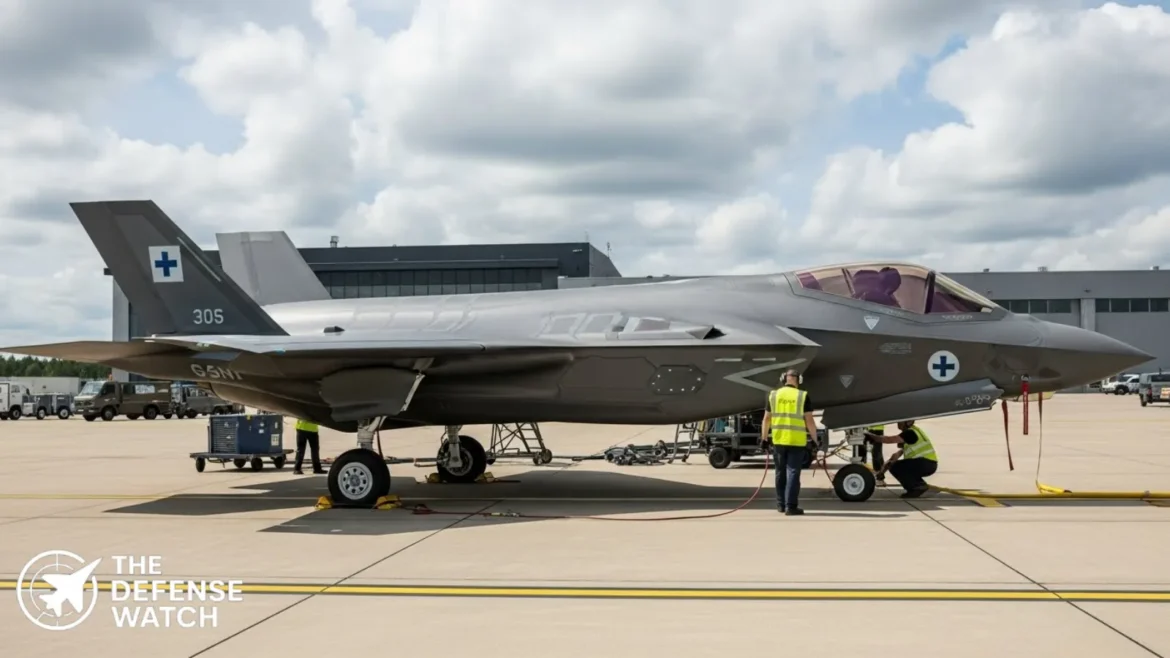
Finland Approves Purchase of AIM‑120D‑3 Air‑to‑Air Missiles from United States for New F‑35A Fleet
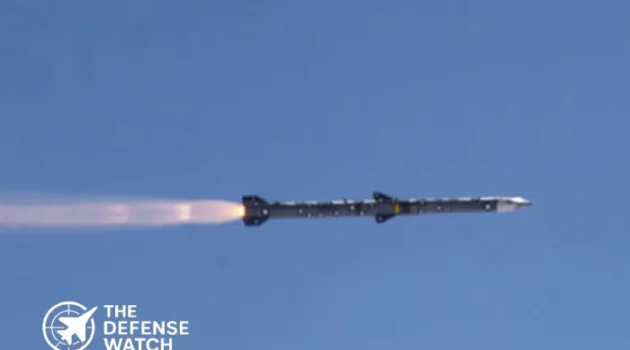
Finland has authorized the procurement of AIM‑120D‑3 Advanced Medium‑Range Air‑to‑Air Missiles (AMRAAM) from the United States to equip its incoming fleet of F‑35A Lightning II fighters. The decision was confirmed on December 12, 2025, by the Finnish Ministry of Defense, with Minister Antti Häkkänen signing off on the acquisition through the Defense Forces Logistics Command.
This move follows a US government approval of the potential Foreign Military Sale (FMS) that was issued in September 2025. Under that arrangement, Finland sought up to 405 of the latest‑variant AIM‑120D‑3 missiles, along with associated support equipment and services, in a deal worth an estimated 1.07 billion US dollars.
The purchase is designed to ensure that Finland’s F‑35A fighters enter service with a modern beyond‑visual‑range air‑to‑air capability. The AIM‑120D‑3 is the newest export version of the AMRAAM family and will supplement the armament of the nation’s transitional air combat force as it phases out F/A‑18 Hornet aircraft.
Background
Finland’s decision to acquire the F‑35A Lightning II stems from the country’s long‑term HX Fighter Program, aimed at modernizing its air force and strengthening its deterrence posture amid evolving regional security challenges. The F‑35A is set to replace the Finnish Air Force’s aging F/A‑18C/D Hornets, with the first deliveries expected to support initial training in the United States in 2026 before arrival in Finland.
The AIM‑120 family of missiles has been a central part of Finland’s air defense armament for years. The Finnish Air Force has operated earlier AMRAAM variants on its Hornets and integrated them into NASAMS surface‑to‑air air defense systems. The procurement of the D‑3 variant is specifically linked to F‑35A operations and represents a step toward aligning Finland’s air combat capabilities with those of other allied nations fielding the fifth‑generation fighter.
What the AIM‑120D‑3 Brings
The AIM‑120D‑3 Advanced Medium‑Range Air‑to‑Air Missile is the current export‑available iteration of the AMRAAM series. It incorporates updated internal electronics and guidance systems. These enhancements are aimed at improving performance against modern threats and offering greater resistance to countermeasures. Compared with older AMRAAM versions, the D‑3 variant supports improved navigation and engagement ranges, helping pilots detect and intercept targets at extended distances.
The procurement package approved by Finnish authorities covers not only the missiles themselves but also eight guidance sections, spare parts, documentation, shipping support, and services such as training and technical assistance. The prime contractor for the missiles is Raytheon Missiles & Defense, a major US defense firm.
Official Statements
In a ministry announcement, Minister of Defense Antti Häkkänen said the decision would provide Finland with “the latest and most advanced version of the missile,” boosting the nation’s capacity to respond to threats in the operational environment. The acquisition also reflects ongoing cooperation with the United States and allied defense partners, the ministry added.
The US State Department’s approval of the possible sale cited broader foreign policy and national security goals. It noted that the transfer would strengthen the defense of a NATO ally, enhance Finland’s ability to counter current and future threats, and improve interoperability with US and allied forces.
Strategic Context
Finland shares a long border with Russia and has dramatically shifted its security policy in recent years, culminating in joining NATO in 2023 amid the ongoing war in Ukraine. The addition of F‑35A fighters and advanced air‑to‑air missiles like the AIM‑120D‑3 supports Finnish contributions to collective air defense and reinforces deterrence on NATO’s northeastern flank.
The NATO alliance has increasingly emphasized interoperability among member air forces. The F‑35A platform, with its advanced sensor fusion and networked capabilities, is designed to operate seamlessly with AMRAAM missiles, enabling data sharing and coordinated engagement across allied units. This integrated approach improves response times and decision making during contested air operations.
What’s Next
Initial deliveries of the AIM‑120D‑3 missiles are expected to coincide with the rollout and eventual operational deployment of the F‑35A fleet. As part of the HX program schedule, Finnish pilots will begin training on the F‑35A in the United States in 2026, while missile training and integration tests will help build combat readiness. Full operational capability for the F‑35 fleet, including air‑to‑air missile integration, is likely to evolve over the next several years as deliveries continue.
The procurement of AIM‑120D‑3 missiles marks a critical step in Finland’s air power transformation and reflects its broader defense strategy in an uncertain security environment. Continued focus on modern weapons and systems will shape Finnish air defense well into the next decade.