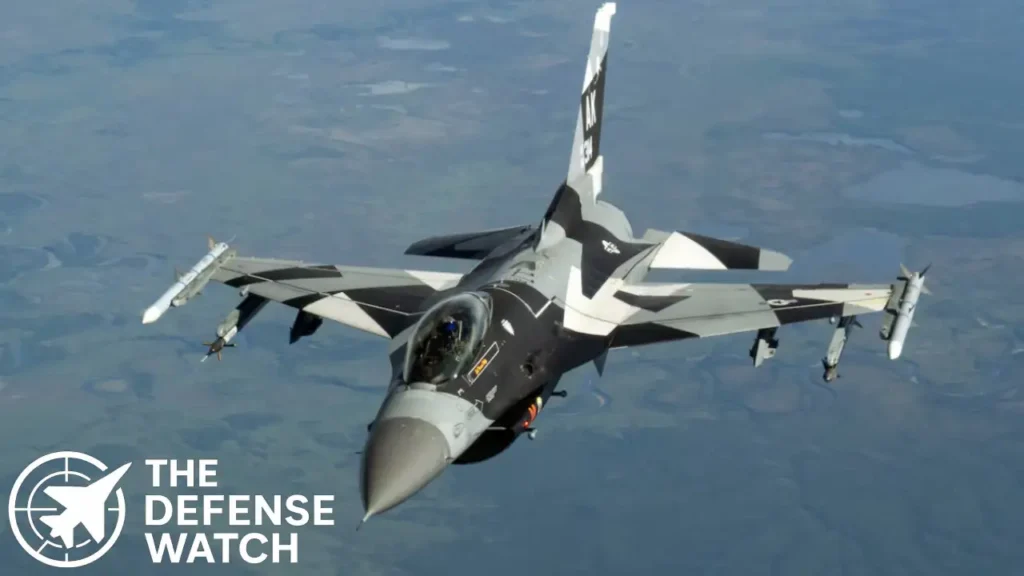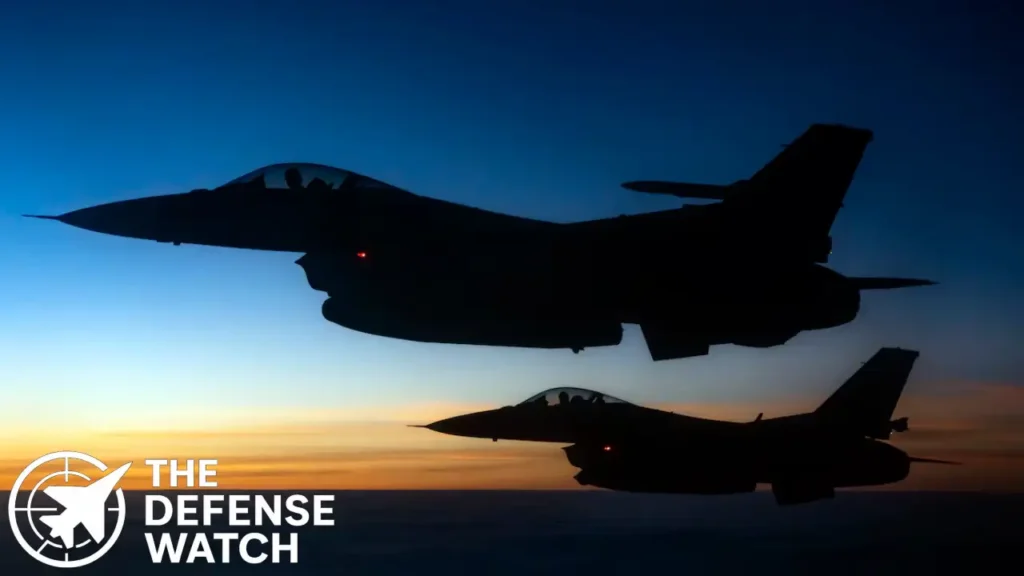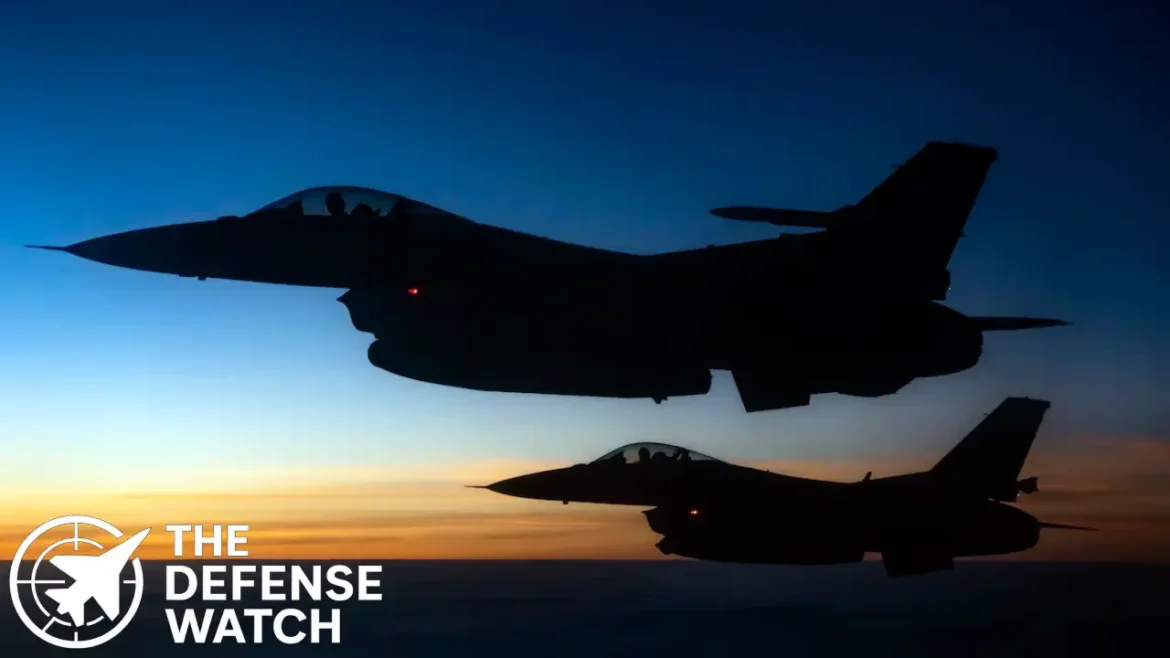
1972–1974: Birth of the F-16
- U.S. launches the Lightweight Fighter (LWF) program.
- General Dynamics prototype (YF-16) first flight: January 20, 1974.
- Design emphasized agility, fly-by-wire controls, and affordability.
1978: Entry into Service
- First F-16A/B delivered to the U.S. Air Force.
- Nicknamed the “Fighting Falcon” (though pilots prefer “Viper”).
- Designed for daylight air superiority, later adapted for multirole missions.
1980s: Global Expansion & Block 15
- Export success begins — NATO allies (Belgium, Netherlands, Norway, Denmark) adopt the F-16.
- Block 15 adds new hardpoints, improved avionics, and expanded weapons capability.
1991: Operation Desert Storm
- F-16s flew more combat sorties than any other aircraft during the Gulf War.
- Proved itself in precision strike and air-to-air missions.
1990s: Block 40/42 & Block 50/52
- Block 40/42: LANTIRN pods enable night and all-weather strike capability.
- Block 50/52: integration of HARM targeting systems for SEAD (Suppression of Enemy Air Defenses).
- Transitioned fully into a true multirole platform.
2000s: Combat Proven Across Theaters
- Extensive use in Kosovo, Afghanistan, and Iraq.
- Remained a workhorse for U.S. and coalition forces in strike and close-air support roles.
2010s: Structural Life Extension (SLEP)
- U.S. Air Force begins extending F-16 airframe life to 12,000 flight hours.
- Integration of precision munitions, targeting pods, and advanced EW systems keeps the fleet relevant.
2015–Present: F-16V “Viper” Upgrade
- New Block 70/72 standard introduces:
- AN/APG-83 AESA radar
- Modern mission computers and displays
- Advanced electronic warfare suite
- Structural upgrades for decades of additional service
- Remains in production by Lockheed Martin for U.S. allies.
2020s: Homeland Defense & Global Relevance
- NORAD continues using F-16s to intercept Russian aircraft near Alaska.
- U.S. Air National Guard relies on F-16 for air policing missions.
- New customers (e.g., Slovakia, Bulgaria, potentially Peru) adopt Block 70 variants.
2040s: Projected U.S. Service Life
- Despite the dominance of the F-35, the F-16 will remain in U.S. Air Force inventory into the 2040s.
- Will continue in roles such as air defense, training, and secondary strike missions, ensuring combat mass for the Air Force.