Executive Summary:
Brazil’s F-39E Gripen fighters have completed their first multinational deployment outside national territory during Exercise SALITRE 2026 in Chile. The exercise brought together six nations, approximately 60 aircraft, and more than 1,500 personnel, providing the Brazilian Air Force with its first opportunity to employ the Gripen E in a coalition air combat environment while demonstrating the aircraft’s growing operational maturity.
Brazil’s Gripen E Fighters Make First Overseas Multinational Exercise Debut During SALITRE 2026
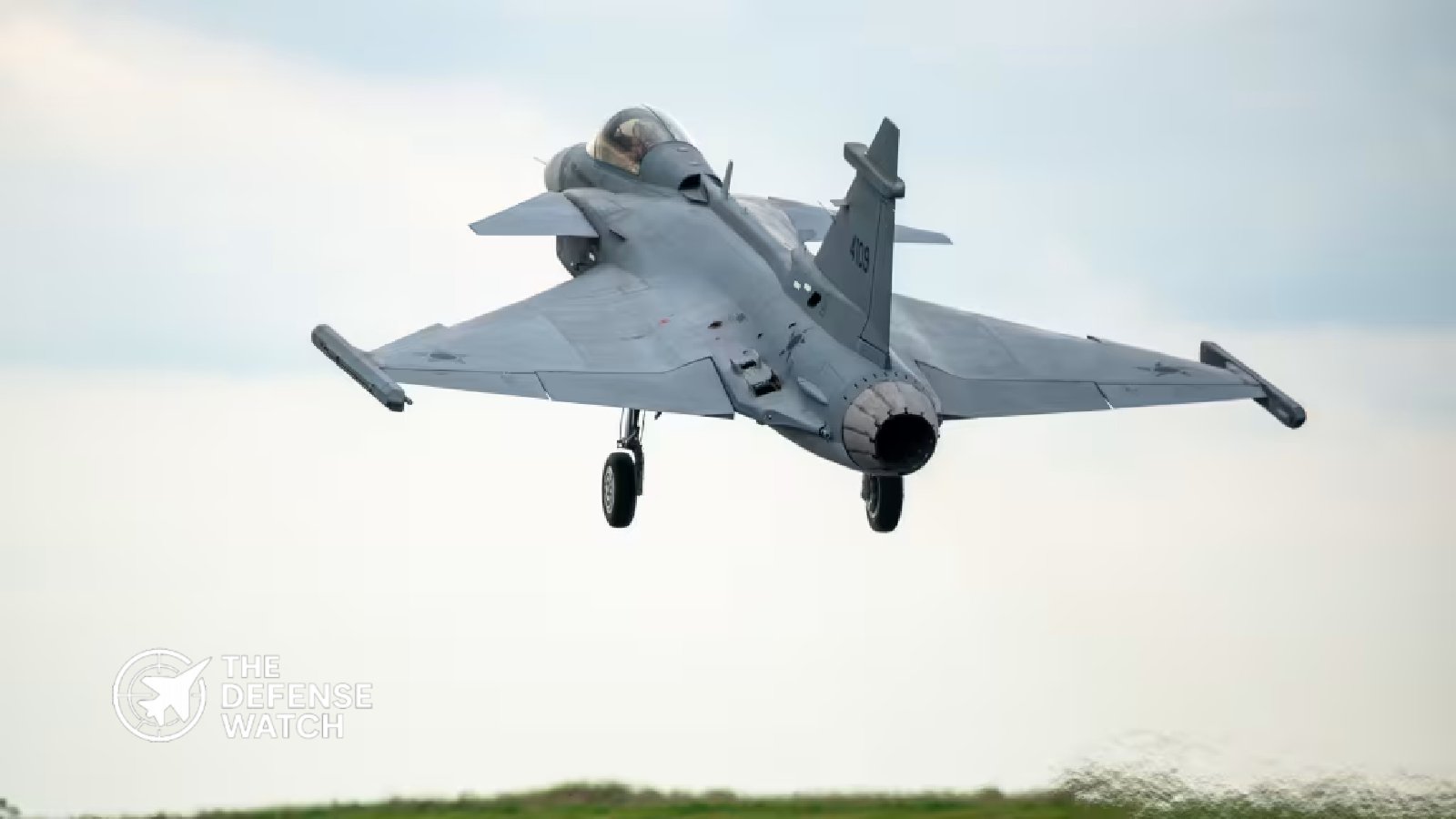
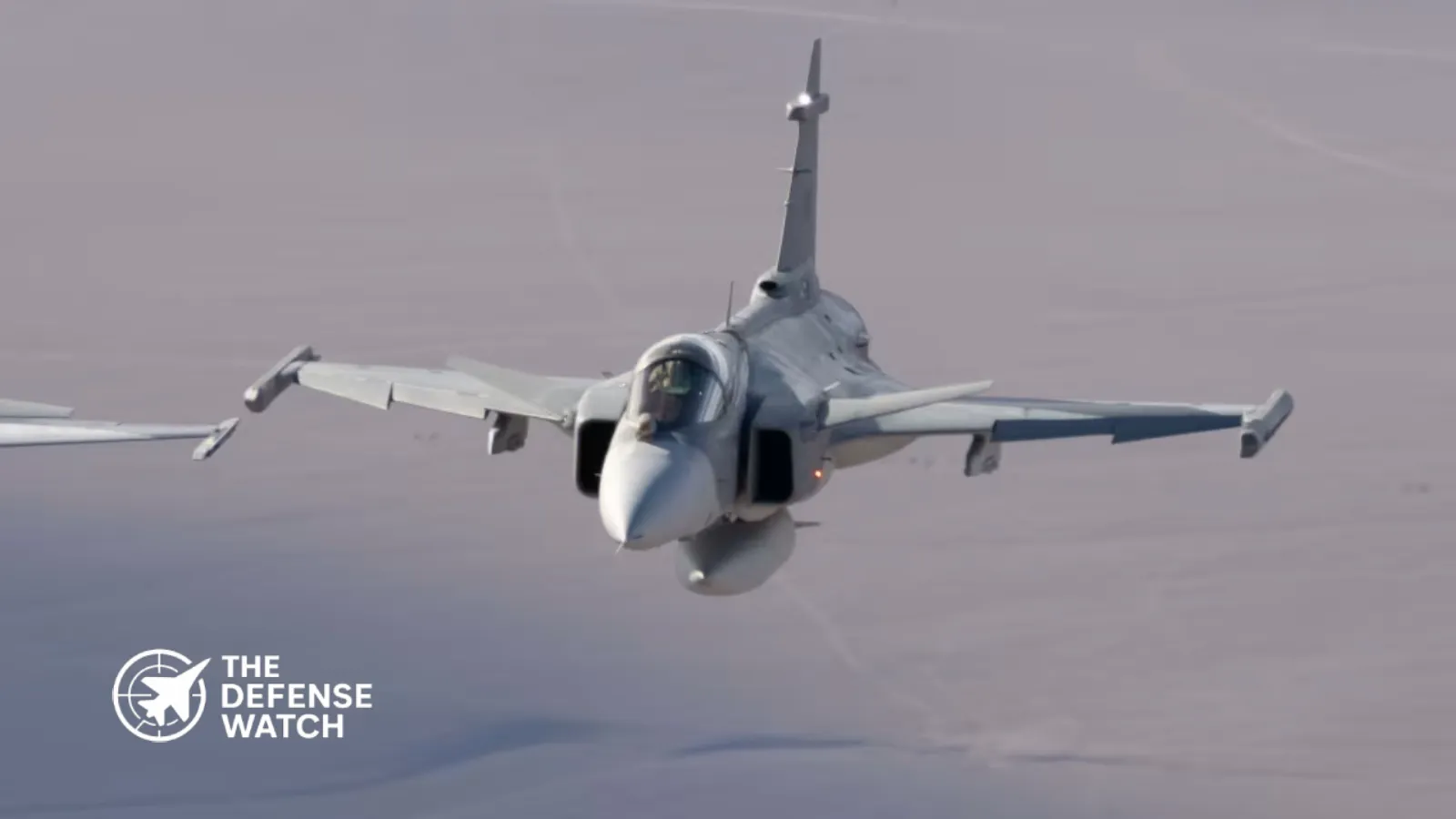
The Brazil Gripen E fighters have completed a significant milestone after participating in Exercise SALITRE 2026 in Chile, marking the aircraft’s first multinational deployment outside Brazil since entering operational service with the Brazilian Air Force (FAB). According to Saab and the Brazilian Air Force, six F-39E Gripen fighters joined coalition air operations alongside aircraft from Chile, Argentina, Colombia, Paraguay, and the United States.
Operating from Cerro Moreno Air Base in Antofagasta, the Brazilian detachment carried out a wide range of missions including combat air patrols, escort operations, offensive sweeps, and integrated air defense. The deployment represents another step in the Brazilian Gripen program as the aircraft transitions from national introduction into multinational operational employment.
Six Nations Conduct Coalition Air Operations
Exercise SALITRE 2026 assembled more than 1,500 military personnel and roughly 60 aircraft, generating over 250 flight hours across multiple mission profiles.
The multinational exercise focused on coalition warfare, with participating air forces operating under a unified command structure. Such scenarios are designed to improve interoperability between allied air forces while testing command and control procedures, tactical communications, and coordinated air operations.
For Brazil, this was the first opportunity to integrate the F-39E Gripen into a multinational command environment outside its own territory.
Gripen E Conducted Air Defense, Escort, And Combat Patrol Missions
Throughout the exercise, Brazilian pilots flew missions representative of modern conventional air warfare.
These included:
Mission Operational Purpose Combat Air Patrol (CAP) Protect friendly airspace Escort Missions Defend strike and support aircraft Fighter Sweep Eliminate opposing fighter threats Air Defense Counter hostile aircraft and maintain air superiority WVR Combat Short range visual engagements BVR Combat Long range missile engagements The aircraft employed several of its most advanced onboard systems during the exercise, including:
- Active Electronically Scanned Array (AESA) radar
- Infrared Search and Track (IRST) sensor
- Integrated electronic warfare suite
- Tactical data sharing capabilities
- Advanced sensor fusion architecture
These systems allowed pilots to detect, classify, and track multiple airborne threats while sharing tactical information across the formation.
Saab Highlights Long Term Brazil Partnership
Peter Dölling, Managing Director of Saab Brazil, described the deployment as another important milestone in Brazil’s Gripen implementation program.
According to Saab, participation in SALITRE 2026 strengthens interoperability among regional partner air forces while reinforcing Brazil’s long term investment in advanced combat aviation capabilities.
The company also emphasized that the program extends beyond aircraft deliveries, incorporating technology transfer, industrial cooperation, and domestic capability development under Brazil’s Gripen acquisition strategy.
Sensor Fusion Remains Gripen E’s Primary Operational Advantage
Lieutenant Colonel VÃtor Bombonato, commander of Brazil’s 1st Air Defense Group (1º GDA), highlighted the aircraft’s sensor fusion capabilities as one of its principal strengths during multinational operations.
According to Bombonato, the Gripen E continuously combines data collected from multiple onboard sensors before presenting pilots with a simplified tactical picture. Information can then be shared among other Gripen aircraft, significantly improving situational awareness across the flight.
Rather than relying on individual radar contacts, pilots operate using a common tactical picture that enables faster threat identification and more coordinated engagement decisions.
This network centric approach reflects the broader evolution of modern fourth and fifth generation air combat, where information superiority increasingly determines mission effectiveness.
Extensive Mission Preparation Reduced Deployment Risk
Although Brazilian pilots had never previously operated in northern Chile, preparation for SALITRE began well before deployment.
Brazilian Air Force planners recreated the Antofagasta operating environment inside Gripen simulators located at Anápolis Air Base. Pilots also conducted integrated exercises with other FAB squadrons approximately one month before deployment.
According to Lieutenant Colonel Bombonato, these preparations meant that operational conditions were already familiar when crews arrived in Chile, reducing transition time and improving mission readiness.
Gripen E Demonstrated Operational Range
Another notable aspect of the deployment was the aircraft’s range.
Bombonato stated that the Gripen E possessed sufficient endurance to fly directly from Anápolis to Antofagasta without requiring aerial refueling, illustrating one of the platform’s logistical advantages during regional deployments.
For air forces operating across South America’s vast geography, extended range reduces dependence on tanker aircraft while increasing deployment flexibility.
By the conclusion of SALITRE 2026, the Brazilian Gripens had completed more than 50 sorties and accumulated over 100 flight hours, including ferry flights, while maintaining high aircraft availability.
Why SALITRE 2026 Matters Beyond Brazil
The significance of SALITRE extends beyond a routine multinational exercise.
For the Brazilian Air Force, this deployment demonstrates that the Gripen E is moving from initial operational capability toward mature coalition employment. Operating alongside U.S. and regional partner aircraft validates not only the fighter itself but also Brazil’s command, maintenance, logistics, and mission planning infrastructure.
From a regional security perspective, multinational exercises such as SALITRE enhance interoperability among South American and U.S. air forces without focusing on a specific adversary. Instead, they improve common operating procedures, communications, and tactical coordination that could prove valuable during humanitarian operations, disaster response, or coalition security missions.
Technically, SALITRE also provided an opportunity to evaluate the Gripen E’s advanced digital architecture in realistic coalition scenarios. Modern air combat increasingly depends on information sharing, electronic warfare resilience, and sensor integration rather than aircraft performance alone. Exercises of this type allow participating air forces to refine tactics while identifying procedural improvements before real world contingencies emerge.
As Brazil continues expanding its Gripen fleet, multinational deployments will likely become an increasingly important component of pilot training and operational certification.
Key SALITRE 2026 Figures
Category Details Host Nation Chile Main Operating Base Cerro Moreno Air Base, Antofagasta Brazilian Aircraft Six F-39E Gripen fighters Participating Countries Brazil, Chile, Argentina, Colombia, Paraguay, United States Personnel More than 1,500 Aircraft Approximately 60 Flight Hours More than 250 Brazilian Gripen Sorties Over 50 Brazilian Flight Hours More than 100
Executive Summary:
Saab has officially rolled out the first Gripen F twin-seat fighter aircraft for the Brazilian Air Force during a ceremony at the company’s facility in Linköping, Sweden, on June 2, 2026. Developed jointly by Saab and Brazilian industry, the aircraft combines advanced pilot training capabilities with full operational combat functionality, representing a significant milestone in Brazil’s Gripen modernization program.
Saab Rolls Out First Gripen F Fighter For Brazilian Air Force
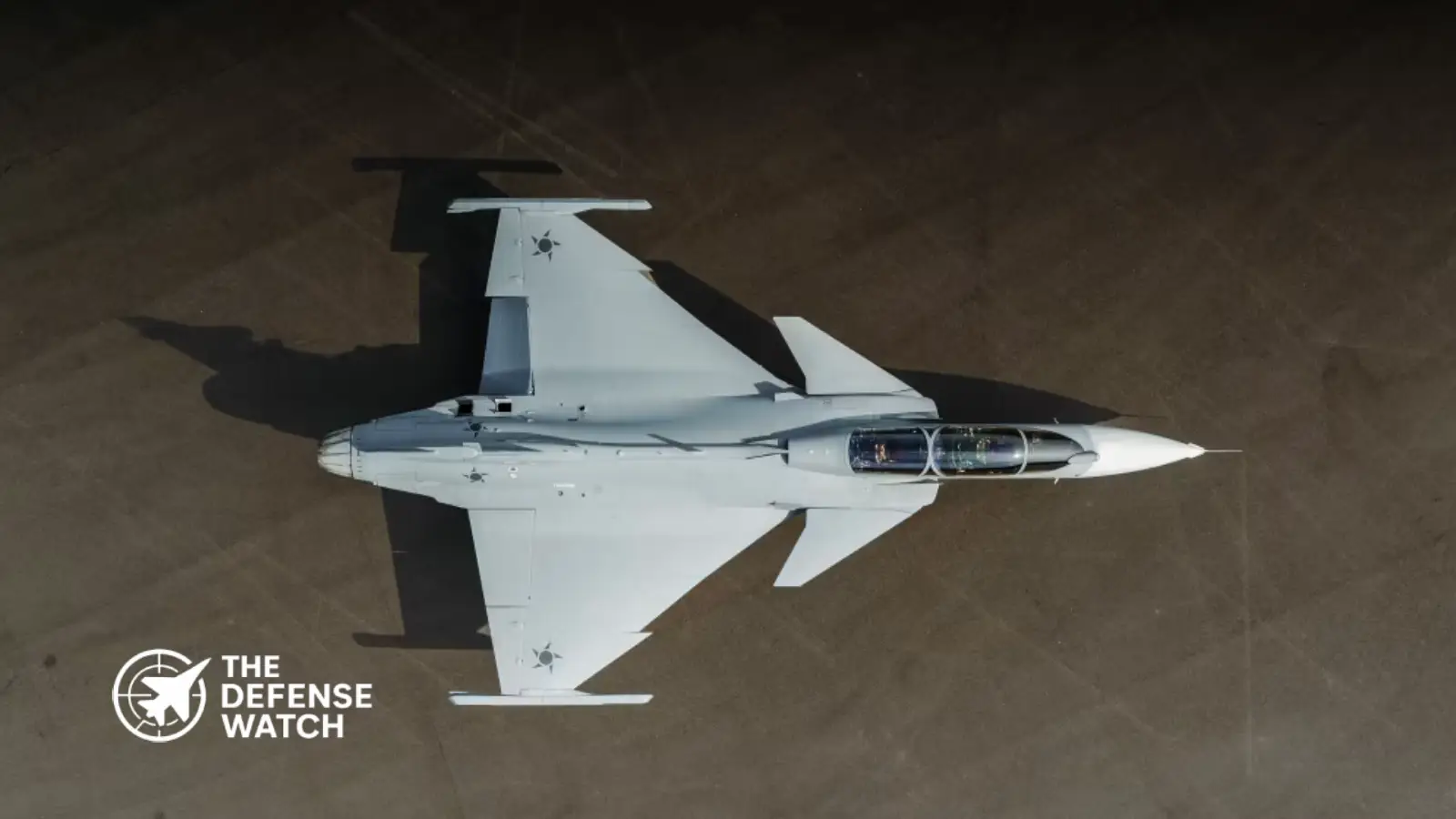
Saab has unveiled the first Gripen F fighter aircraft, the two-seat variant of its Gripen E multirole fighter family, during a ceremony held at the company’s production facilities in Linköping, Sweden.
The rollout marks a major milestone in the long-running defense partnership between Sweden and Brazil, which has seen extensive industrial cooperation, technology transfer, and joint development activities since the signing of the original Gripen acquisition agreement in 2014.
According to Saab, the Gripen F has been specifically designed to meet modern air force requirements by combining advanced pilot conversion training with full combat capability on a single platform.
The aircraft will now enter a dedicated flight test campaign at Saab’s Flight Test Centre before eventual delivery to the Brazilian Air Force.
Brazil’s Role In Developing The Gripen F
Unlike many export fighter programs where customers simply acquire finished aircraft, Brazil played a direct role in the development of the Gripen F.
Under the broader Gripen partnership agreement, Brazilian aerospace engineers and technicians participated in aircraft development activities through Saab’s technology transfer initiative. Hundreds of Brazilian specialists have received advanced training in fighter aircraft design, systems integration, software development, and aerospace engineering.
Saab’s Aeronautics business area head, Lars Tossman, described the aircraft as a product of long-term industrial collaboration between Saab, Brazilian industry, and the Brazilian Air Force.
The program has become one of the most significant aerospace technology transfer efforts undertaken by Brazil in recent decades, helping strengthen domestic expertise in advanced combat aircraft development.
What Makes The Gripen F Different?
The Gripen F shares the same core architecture, avionics suite, sensors, electronic warfare systems, and mission capabilities found on the single-seat Gripen E.
However, its most notable feature is the addition of a fully operational second cockpit.
Rather than serving solely as a training seat, the rear cockpit allows an instructor, mission commander, or weapons systems operator to actively participate in missions.
Key Operational Benefits
- Accelerated pilot conversion training
- Real-world mission rehearsal in operational aircraft
- Enhanced mission command and coordination
- Reduced pilot workload during complex operations
- Improved effectiveness in contested environments
- Greater flexibility for advanced tactical instruction
This approach allows pilots transitioning to the Gripen fleet to gain combat-relevant experience more rapidly than traditional training methods that rely heavily on dedicated trainer aircraft.
Gripen F Technical Overview
Specification Gripen F Aircraft Type Twin-seat multirole fighter Manufacturer Saab Primary Operator Brazilian Air Force Configuration Two-seat Combat Capability Full operational capability Radar AESA radar Electronic Warfare Integrated EW suite Data Links Advanced network-centric communications Mission Roles Air superiority, strike, ISR, training Development Partner Brazil Like the Gripen E, the Gripen F benefits from an open-architecture design that allows future software and sensor upgrades throughout its operational life cycle.
The aircraft was developed for modern network-centric warfare environments where data fusion, electronic warfare resilience, and rapid information sharing are increasingly critical.
Progress Of Brazil’s Gripen Acquisition Program
The rollout comes as Brazil continues to receive aircraft under its 2014 agreement with Saab.
The original contract covers:
Program Element Quantity Gripen E Fighters 28 Gripen F Fighters 8 Total Aircraft 36 Deliveries began in 2020.
According to Saab, 11 aircraft have already been delivered to Brazil, where they are gradually replacing older combat aircraft and expanding the Brazilian Air Force’s operational capabilities.
The Gripen program represents one of the most important modernization initiatives undertaken by the Brazilian military and forms a central component of the country’s long-term airpower strategy.
Why The Gripen F Matters Beyond Brazil
The rollout of the Gripen F carries significance beyond the Brazilian Air Force.
Many modern fighter fleets face challenges associated with pilot shortages, increasingly complex mission systems, and growing demands for advanced tactical training.
The Gripen F addresses these issues by combining operational and instructional functions within a single aircraft platform.
From a strategic perspective, the aircraft offers several advantages:
Enhanced Force Generation
Air forces can shorten pilot qualification timelines while maintaining operational readiness.
Improved Mission Effectiveness
A second crew member can assist with mission management, sensor operation, electronic warfare coordination, and tactical decision-making.
Lower Training Costs
Operators may reduce dependence on separate advanced jet trainer fleets by conducting portions of pilot conversion training in frontline aircraft.
Export Potential
The aircraft’s dual-role design broadens its appeal among nations seeking a cost-effective solution for both training and combat operations.
This export potential is already evident. Saab has confirmed additional Gripen F orders from Thailand and Colombia, indicating growing international interest in the two-seat variant.
Strategic Implications For The Global Fighter Market
The rollout highlights Saab’s broader strategy of positioning the Gripen family as a flexible and affordable alternative within the global fighter market.
While larger competitors continue to focus heavily on fifth-generation platforms, Saab has emphasized adaptability, lower operating costs, advanced electronic warfare capabilities, and rapid upgrade potential.
For emerging and mid-sized air forces, the Gripen F may offer a particularly attractive balance between operational capability and training efficiency.
The aircraft also demonstrates how defense industrial partnerships can extend beyond procurement into collaborative development and technology transfer, a model increasingly sought by nations seeking to strengthen domestic defense industries alongside military modernization.
As the aircraft enters flight testing, the Gripen F moves one step closer to operational service, adding a new capability to Brazil’s growing Gripen fleet while reinforcing Saab’s position in the competitive global fighter aircraft market.
Saab Gripen E/F Production Ramps With Brazil Assembly Line
Saab’s target to build 36 Gripen E/F fighters per year marks a major shift in production capacity for one of the world’s key light combat aircraft programmes. The Swedish defence firm is boosting output as its Brazilian assembly line prepares to deliver its first aircraft to the Brazilian Air Force (FAB) this year.
The plan was outlined at the Singapore Airshow where Saab’s marketing lead for the Gripen programme said the company is investing heavily to raise production capacity. The goal is to reach a steady annual rate of 36 aircraft, reflecting both existing orders and potential future contracts.
Brazil Becomes First Latin American Fighter Producer
Saab and Brazilian partner Embraer established a final assembly line in Gavião Peixoto, São Paulo State, where the first locally assembled Gripen will be delivered in early 2026. This facility will handle final assembly for a portion of Brazil’s 36-aircraft order, under a broad tech transfer agreement between the two companies.
The Brazil line is the only Gripen final assembly site outside Sweden and represents a major milestone in Brazil’s aerospace sector. Embraer’s workforce has been trained in Sweden and will complete fighter assembly, functional testing and production flights prior to delivery.
Growing Global Demand for Gripen E/F
Brazil is the launch customer for the F-39 designation of the Gripen E/F, but the production increase is linked to wider international interest. Saab cites firm orders and ongoing opportunities in markets including Sweden, Colombia, and Thailand as underpinning the need for greater output.
Other countries have expressed interest in the aircraft as a cost-effective alternative to heavier jets, and Saab has discussed production options in Canada, potentially duplicating the Brazil model of local assembly.
Production Challenges and Delivery Timeline
Aircraft programmes of this scale often face schedule pressures. Independent reporting suggests Brazil’s deliveries, originally expected to finish in the mid-2020s, may now extend to around 2032 given contractual changes and budgetary factors.
So far Brazil has received several Swedish-built Gripen Es, with the locally assembled jets soon to join the fleet. Fifteen of the 36 jets are slated for assembly at the Brazilian line, with the balance completed in Sweden.
Strategic Context for Saab and Global Air Forces
The effort to scale Gripen production comes against a backdrop of shifting global fighter markets. Non-US manufacturers such as Saab are gaining traction as some customers seek alternatives to traditional suppliers amid changing geopolitical currents.
For the Brazilian Air Force, the F-39 fleet is central to its modernisation drive, replacing older jets and providing a multi-role capability. The expansion of production throughput could give Saab a competitive edge in future international tenders.