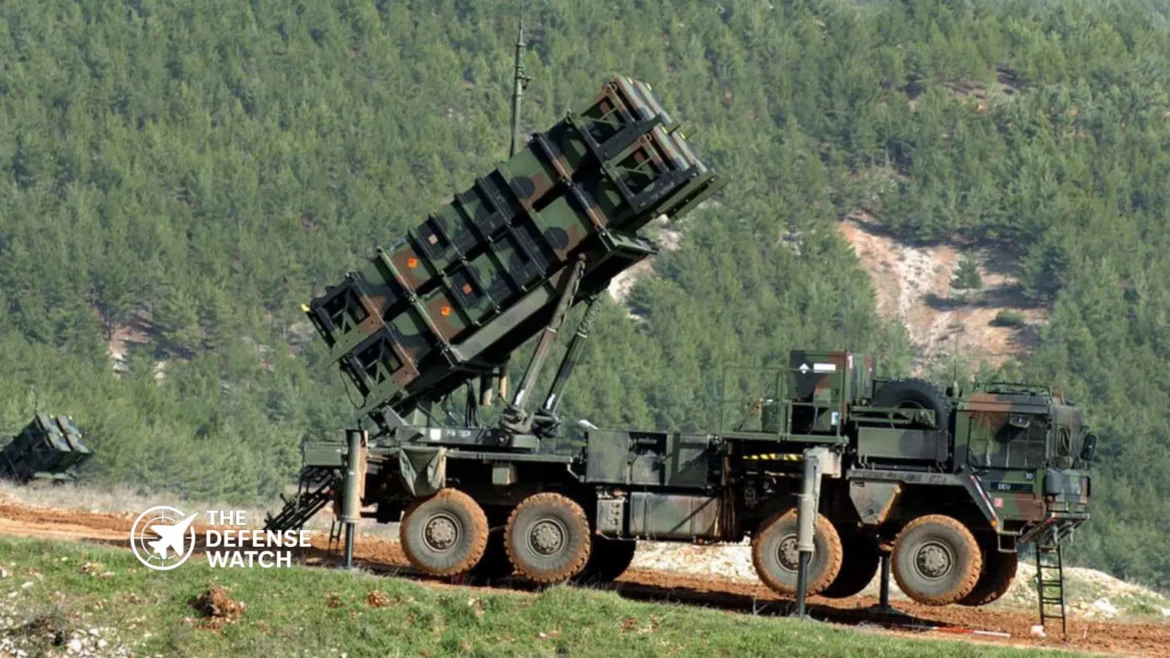
Switzerland’s 5 Patriot Air Defense Systems Deal Enters Uncertainty
Switzerland’s 5 Patriot air defense systems acquisition has entered a period of uncertainty, with delivery timelines slipping and projected costs rising, according to Swiss government statements and defense reporting.
The agreement, signed in 2023 as part of Bern’s broader air defense modernization plan, envisioned delivery of the systems by 2028. However, Swiss authorities have indicated that schedule changes are now expected. Costs may also exceed earlier projections.
(adsbygoogle = window.adsbygoogle || []).push({});The Bern administration has suspended payments after failing to receive a clear update from Washington regarding revised delivery timelines and pricing.
The delay is reportedly linked to the United States prioritizing Patriot systems for Ukraine, as Kyiv continues to request additional air and missile defense assets amid ongoing Russian missile and drone strikes.
Patriot Systems Central To Swiss Air Defense Modernization
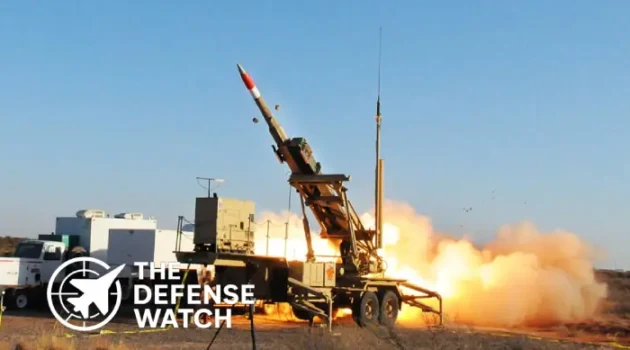
The Switzerland Patriot air defense systems program is a cornerstone of the country’s future integrated air defense architecture. Bern selected the U.S.-made Patriot system in 2022 following a competitive evaluation process.
The Patriot system, produced by Raytheon Technologies, is designed to intercept aircraft, cruise missiles, and certain ballistic missile threats. It is widely deployed by NATO members and U.S. allies, including Germany, Poland, and several Gulf states.
Switzerland’s procurement includes five Patriot fire units intended to replace aging air defense capabilities and provide long range coverage against evolving aerial threats.
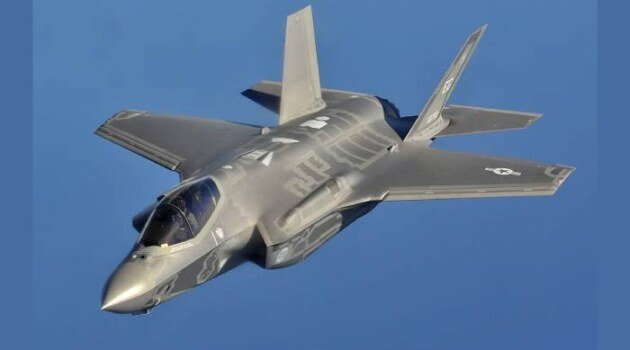
The deal forms part of a broader modernization effort that also includes the purchase of 36 F 35A fighter aircraft from Lockheed Martin.
(adsbygoogle = window.adsbygoogle || []).push({});U.S. Prioritizes Patriot Deliveries For Ukraine
The reported delay in the Switzerland Patriot air defense systems schedule comes as the United States and European allies continue to accelerate military assistance to Ukraine.
Washington has transferred multiple Patriot batteries to Kyiv since 2023, in coordination with NATO partners. Additional interceptors and support equipment have been directed to reinforce Ukraine’s air defense network against ballistic missile and drone attacks.
Given limited production capacity and high global demand, Patriot production lines are under pressure. The reallocation of systems or components to Ukraine may have contributed to schedule adjustments affecting other customers, including Switzerland.
Neither the U.S. Department of Defense nor Swiss officials have publicly detailed the revised delivery schedule. However, Bern’s decision to suspend payments underscores the seriousness of the delay.
Alternatives Under Consideration: SAMP T And Arrow
Amid uncertainty surrounding the Switzerland Patriot air defense systems deal, alternative solutions are reportedly being reevaluated.
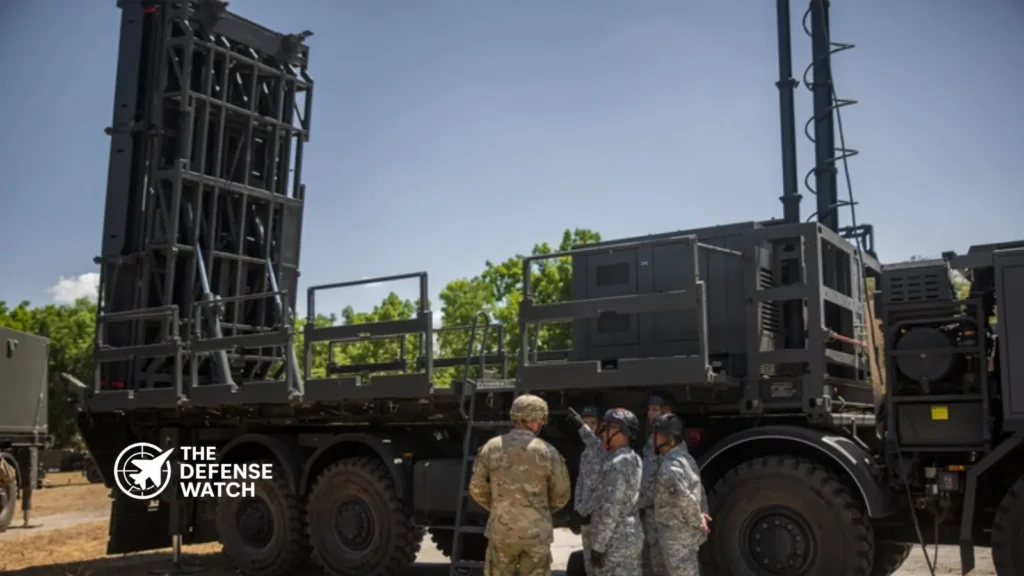
(adsbygoogle = window.adsbygoogle || []).push({});One option is the Franco Italian SAMP T system, developed by the European consortium Eurosam. SAMP T uses Aster interceptor missiles and is currently operated by France and Italy. It has also been supplied to Ukraine.
Another potential alternative is Israel’s Arrow missile defense system, developed by Israel Aerospace Industries in cooperation with the United States. Arrow is optimized for high altitude ballistic missile interception and has been adopted by Israel and Germany.
Any shift away from Patriot would carry strategic and political implications. Switzerland’s selection process previously identified Patriot as the most suitable system based on operational performance, cost, and interoperability considerations.
A reopening of the competition could delay modernization efforts further and require new negotiations.
Procurement Challenges Echo F 35A Cost Debate
The uncertainty surrounding the Switzerland Patriot air defense systems agreement follows a similar cost debate in the country’s F 35A fighter procurement.
(adsbygoogle = window.adsbygoogle || []).push({});Last year, Swiss authorities acknowledged that the contract value for 36 F 35A aircraft had risen by approximately 610 million dollars. Bern maintained that the maximum number of aircraft would still be procured within the approved budget ceiling of roughly 7.5 billion dollars.
The F 35A is a fifth generation stealth fighter produced by Lockheed Martin and selected by Switzerland in 2021 after a nationwide evaluation process.
Cost transparency and budget predictability remain politically sensitive issues in Switzerland, where major defense acquisitions often face public scrutiny and, in some cases, referendums.
Broader Implications For European Air Defense
The Switzerland Patriot air defense systems delay highlights broader pressures in the global missile defense market.
Since 2022, European states have accelerated investments in layered air and missile defense, responding to lessons from the war in Ukraine. Germany’s European Sky Shield Initiative and Poland’s rapid Patriot procurement are examples of this trend.

Image : dvidshub High demand, supply chain constraints, and increased production timelines are affecting multiple programs. U.S. defense officials have repeatedly stated that expanding production capacity for missile defense interceptors remains a priority, but scaling up complex systems takes time.
(adsbygoogle = window.adsbygoogle || []).push({});For Switzerland, maintaining a credible long range air defense capability is a strategic requirement, particularly as air and missile threats evolve across Europe.
What Comes Next
Swiss officials are expected to seek formal clarification from Washington regarding delivery schedules, cost adjustments, and contractual obligations tied to the Switzerland Patriot air defense systems program.
If revised terms are acceptable, the program could proceed with an adjusted timeline. If not, Bern may revisit alternative systems, including SAMP T or Arrow, potentially reopening a competitive procurement process.
(adsbygoogle = window.adsbygoogle || []).push({});For now, the suspension of payments signals that Switzerland intends to protect budgetary discipline while seeking firm commitments from its U.S. partner.
The outcome will be closely watched across Europe, where multiple governments are balancing urgent air defense needs with production realities and shifting geopolitical priorities.

UK Announces Major Air Defense Support For Ukrainian Forces
The United Kingdom has committed over £500 million in urgent air defense capabilities for Ukraine, marking a significant expansion of British military support as Kyiv faces intensified Russian drone and missile strikes. Defence Secretary John Healey announced the package on February 12, 2026, while co-chairing the 33rd Ukraine Defence Contact Group meeting at NATO headquarters in Brussels.
The comprehensive package represents the UK’s continued leadership in supporting Ukraine’s defense capabilities, with funding directed toward multiple critical air defense systems and munitions designed to counter Russia’s evolving aerial threat.
NATO PURL Initiative Receives First UK Contribution
For the first time, Britain will contribute £150 million to NATO’s Prioritised Ukraine Requirements List (PURL) initiative, a coordinated procurement program that enables rapid delivery of American-manufactured defense equipment to Ukrainian forces. The PURL mechanism was established to ensure continued supply of vital U.S. weapons systems after the Trump administration called for burden-sharing across the NATO alliance.
According to NATO Secretary General Mark Rutte, the initiative secured approximately $5 billion in weapons commitments for Ukraine in 2025, with projections for an additional $15 billion in 2026. The program focuses on critical capabilities including air defense interceptors, ammunition, and spare parts procured from United States manufacturers.
Around three-quarters of NATO’s 32 member nations have committed to the PURL program, with Australia and New Zealand also participating. The initiative coordinates purchases of advanced American defense systems while distributing financial responsibility across allied nations.
Belfast-Manufactured Missiles Strengthen Counter-Drone Defense
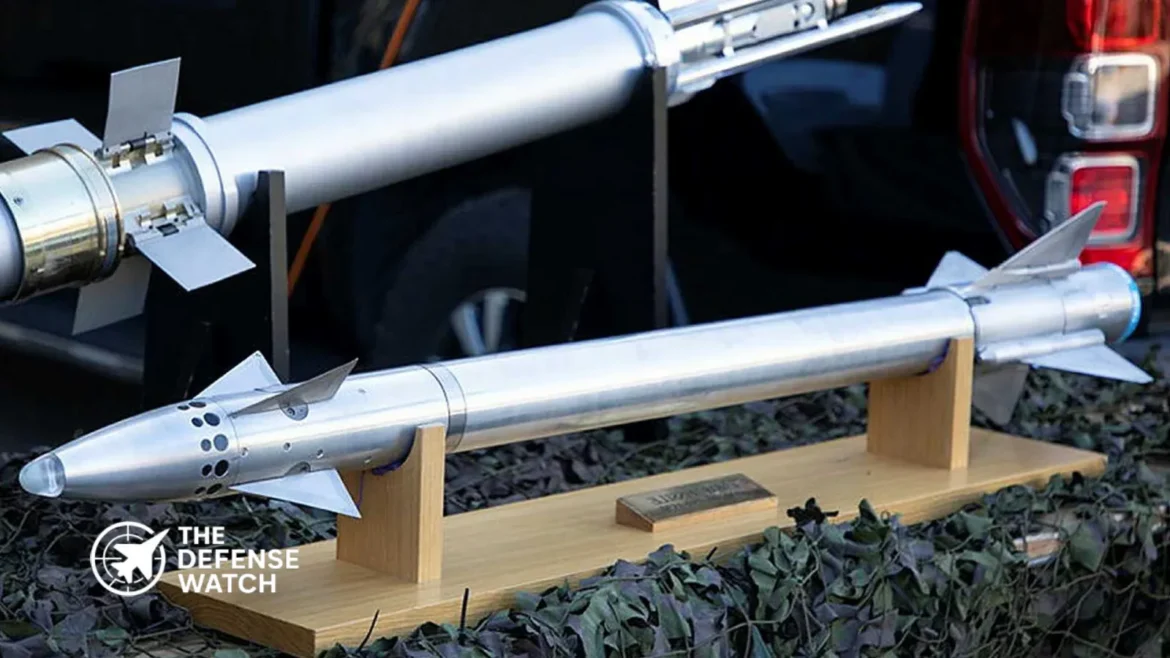
The UK package includes 1,000 Lightweight Multirole Missiles (LMMs), manufactured by Thales at their Belfast facility in Northern Ireland. The £390 million deal encompasses not only the missiles but also the transfer of Rapid Ranger launcher production and command-and-control vehicles to Ukraine, deepening industrial collaboration between British and Ukrainian defense sectors.
The LMM, designated Martlet in Royal Navy service, is a 13-kilogram precision-guided weapon capable of engaging drones, helicopters, and small maritime targets. With a maximum speed exceeding Mach 1.5 and an operational range of up to eight kilometers, the laser-guided system provides critical capabilities against Russia’s increasing use of long-range drone attacks on Ukrainian infrastructure and civilian targets.
Thales Belfast has doubled production capacity since the conflict began in February 2022, with the facility currently supporting 135 jobs and contributing to the local supply chain. Several hundred LMMs have already been delivered to Ukraine ahead of schedule under previous assistance programs.
Additional Munitions Through Air Defence Consortium
The British commitment extends beyond the immediate package, with plans to deliver an additional 1,200 air defense missiles and 200,000 rounds of artillery ammunition through the Air Defence Consortium (ADC) in coming months. This multi-layered approach addresses both immediate defensive needs and sustained operational requirements for Ukrainian forces.
Defence Secretary Healey emphasized the strategic importance of the package: “As we approach the fifth year of Putin’s full-scale invasion, the UK and our allies are more committed than ever to supporting Ukraine. I’m proud of the UK’s continued leadership and pleased to confirm a new half a billion pound package of air defense, including £150 million for PURL, to help Ukrainians defend against Putin’s relentless drone and missile attacks.
Strategic Context And Allied Coordination
The announcement comes as Ukraine faces ongoing Russian strikes targeting critical energy infrastructure during winter months. Ukrainian President Volodymyr Zelenskyy has called for daily deliveries of Patriot air defense system interceptors and accelerated PURL deliveries, particularly following recent attacks that killed civilians and damaged power facilities.
The 33rd Ukraine Defence Contact Group meeting brought together 50 nations, including co-chairs UK and Germany, Ukrainian Defense Minister Mykhailo Fedorov, NATO Secretary General Mark Rutte, and Australian Deputy Prime Minister Richard Marles. Discussions focused on Ukraine’s military requirements for 2026, battlefield assessments, equipment delivery schedules, and capability gaps requiring allied attention.
Britain assumed co-leadership of the Ukraine Defence Contact Group with Germany in 2025, alongside co-leading the Coalition of the Willing with France. Prime Minister Keir Starmer and Defence Secretary Healey have consistently emphasized that British national security begins with supporting Ukraine’s resistance to Russian aggression.
Industrial And Economic Implications
The package represents substantial investment in British defense manufacturing while supporting Ukraine’s operational needs. The Thales Belfast facility’s expanded production demonstrates the economic impact of sustained defense commitments, with the LMM program supporting local employment and supply chain development.
The transfer of Rapid Ranger launcher and command-and-control vehicle production to Ukraine marks an evolution in military assistance, moving beyond equipment provision toward capability development and industrial partnership. This approach aims to enhance Ukraine’s long-term defense industrial base while maintaining operational effectiveness.
Operational Impact Assessment
The LMM system’s versatility makes it particularly valuable against Russia’s layered aerial threat. The missile’s dual-effect warhead—combining blast fragmentation and shaped charge capabilities—enables engagement of various targets including armored vehicles, fast attack craft, and unmanned aerial systems.
Ukrainian forces have demonstrated effective integration of previously delivered British defense systems, including Starstreak high-velocity missiles and NLAW anti-tank weapons. The LMM’s proven operational record in Royal Navy service, including deployment during Operation Prosperity Guardian in the Red Sea, validates its effectiveness against small, maneuverable targets.
The package addresses urgent operational requirements while supporting NATO’s broader strategy of enhancing Ukraine’s defensive capabilities through coordinated allied contributions. As Russian forces continue aerial bombardment campaigns, particularly targeting energy infrastructure, strengthened air defense remains a critical priority for Ukrainian forces.