

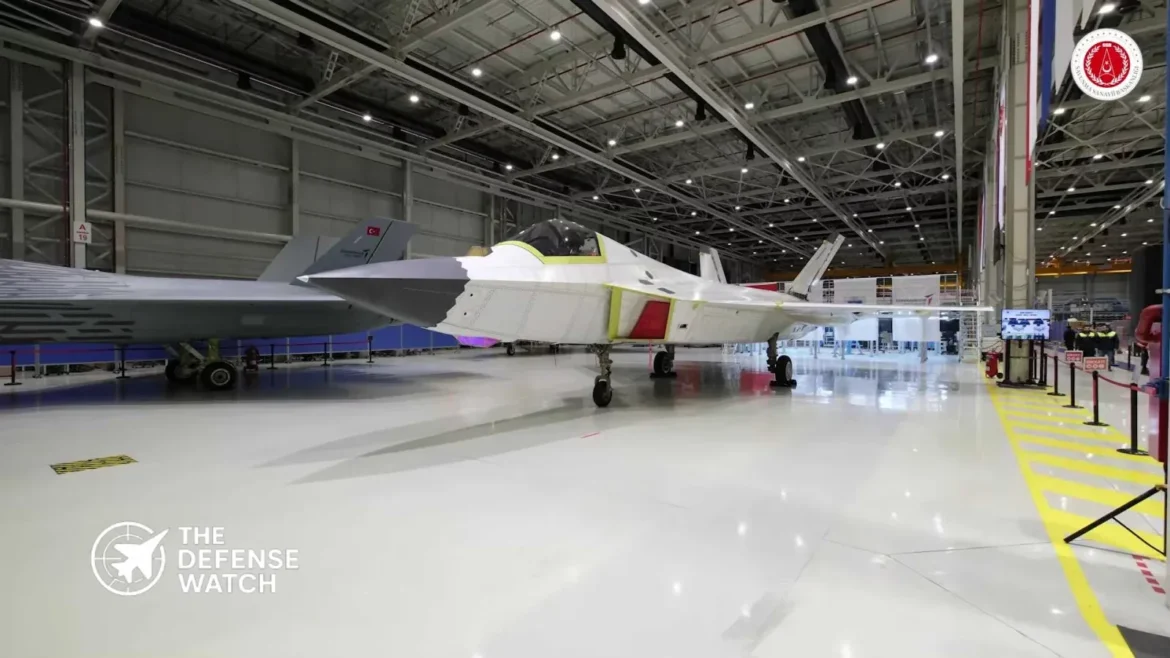
- ► Türkiye has unveiled its second KAAN fighter prototype to refine stealth capabilities before mass production.
- ► The prototype focuses on low-observable design elements including radar cross-section reduction.
- ► First prototype completed initial flight tests in 2025; the second prototype introduces updated stealth features.
- ► Türkiye aims to integrate the KAAN fighter into its Air Force fleet once development is complete.
- ► The program is part of Türkiye’s broader initiative to strengthen domestic aerospace and defense capabilities.
Türkiye Advances KAAN Fighter Stealth Ahead Of Mass Production
Türkiye has officially unveiled the second prototype of its indigenous KAAN fighter, signaling a significant step in the nation’s efforts to produce a next-generation stealth combat aircraft. The new prototype focuses on advanced low-observable technologies designed to reduce radar cross-section and enhance survivability in contested environments, according to Turkish defense sources.
The first KAAN prototype, which completed initial flight testing in 2025, provided critical insights into aerodynamics and systems integration. This second aircraft incorporates refinements to stealth shaping, radar-absorbing materials, and internal weapon bay configurations.
Turkish Aerospace Industries (TAI) leads the program, coordinating with domestic suppliers to integrate avionics, flight control systems, and mission-critical sensors. Officials emphasize that the KAAN project represents a milestone in Turkey’s strategic goal of achieving self-reliance in fighter aircraft production.
Program Goals And Timeline
The KAAN fighter is designed to serve as a multirole platform, capable of air superiority and strike missions. Mass production is targeted for later in the decade following completion of prototype testing and certification. Defense experts note that incorporating stealth elements from the early stages of development can shorten integration timelines and reduce future modifications.
Domestic Innovation And Global Ambitions
Türkiye’s push for indigenous aircraft development aligns with broader defense industry initiatives aimed at reducing reliance on foreign suppliers. The KAAN program also positions Ankara to participate in regional aerospace markets while advancing technological expertise in high-performance fighter jets.
TAI has stated that ongoing testing will evaluate radar cross-section reduction, sensor fusion, and internal weapons carriage. Flight trials for the second prototype are expected to continue throughout 2026, with performance data feeding into final design adjustments before production.
Strategic Implications
The KAAN fighter program enhances Türkiye’s operational independence and strengthens its ability to respond to regional threats. Analysts suggest that an operational KAAN fleet could complement existing F-16 assets, providing advanced stealth capabilities for air defense and strike operations.
By advancing stealth technology domestically, Türkiye can also inform future export opportunities while reinforcing the capabilities of its defense industrial base.

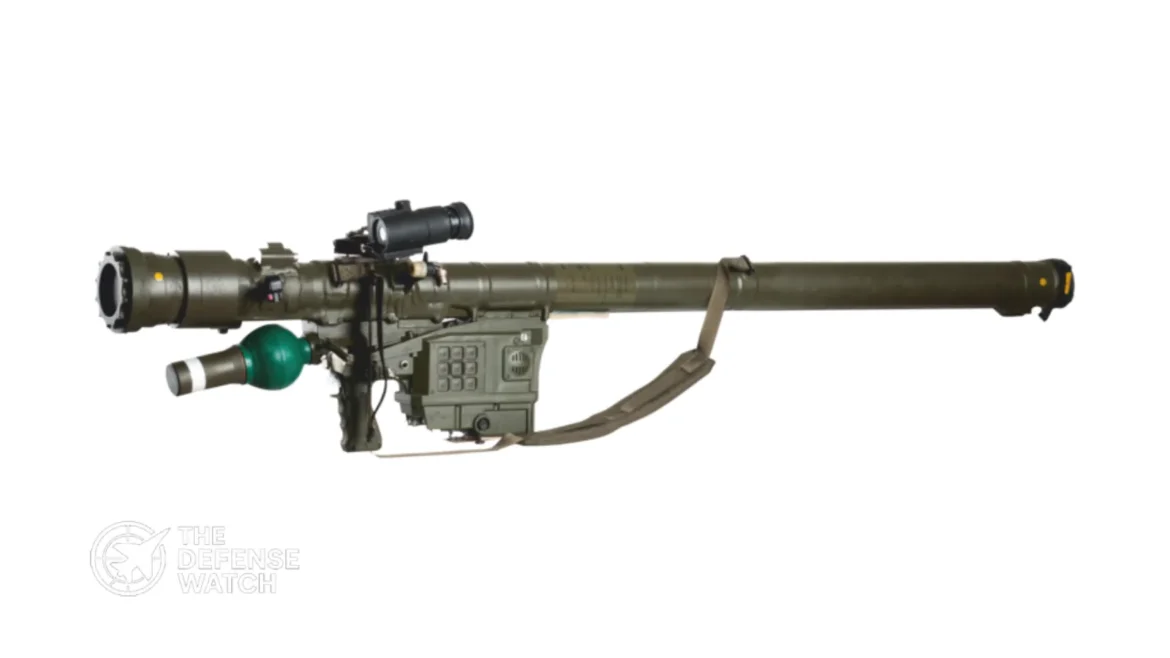
- ► Germany is evaluating the Polish-made Piorun MANPADS to strengthen short-range air defense.
- ► The system is designed to engage drones, helicopters, and low-flying aircraft.
- ► Piorun is produced by Poland’s defense industry and has seen operational use in Ukraine.
- ► Berlin is seeking layered air defense solutions to counter evolving aerial threats.
- ► The move reflects broader European efforts to close short-range air defense gaps.
Germany Evaluates Piorun MANPADS To Strengthen Short-Range Air Defense
Germany is considering the acquisition of the Piorun MANPADS to enhance its short-range air defense capabilities against drones and other low-altitude threats.
(adsbygoogle = window.adsbygoogle || []).push({});Berlin is examining the Polish-developed system as part of broader efforts to modernize ground-based air defense. The potential procurement comes as European militaries reassess force protection requirements in light of recent conflicts and the growing use of unmanned aerial systems on the battlefield.
Addressing Low-Altitude Drone Threats
The Piorun MANPADS, developed by Mesko, is a shoulder-fired, infrared-guided surface-to-air missile system designed to engage low-flying aircraft, helicopters, and unmanned aerial vehicles.
German defense planners have increasingly emphasized the need for effective counter drone measures. Small and medium sized drones, often operating at low altitude and low speed, present detection and engagement challenges for traditional air defense systems optimized for higher performance targets.
By adding the Piorun MANPADS to its inventory, Germany would bolster its very short-range air defense layer. This tier is critical for protecting forward deployed forces, critical infrastructure, and maneuver units from sudden aerial threats.
Operational Experience In Ukraine
The Piorun MANPADS has gained attention following its operational use in Ukraine. Polish authorities and Ukrainian officials have credited the system with successful engagements against various aerial targets, including helicopters and unmanned platforms.
While Germany has not formally announced a contract, the evaluation reflects confidence in the system’s performance under combat conditions. Real-world data from Ukraine has influenced procurement decisions across Europe, particularly in the area of short-range air defense.
Germany’s Broader Air Defense Strategy
Germany is undertaking a comprehensive review of its air defense architecture. In recent years, Berlin has committed to strengthening layered air and missile defense through national initiatives and multinational cooperation.
The potential Piorun MANPADS acquisition would complement higher-tier systems such as the IRIS-T SLM, which provides medium-range air defense coverage. Together, such systems form a layered structure designed to address threats ranging from drones to cruise missiles.
(adsbygoogle = window.adsbygoogle || []).push({});German officials have repeatedly stressed the importance of closing capability gaps in short-range air defense, particularly for ground forces. The evolving threat environment, marked by the widespread use of loitering munitions and small drones, has accelerated this effort.
Strengthening European Defense Cooperation
A possible German purchase of the Piorun MANPADS would also underscore growing defense cooperation within Europe. Poland has expanded its defense industrial footprint in recent years, positioning itself as a supplier of land and air defense systems to allied nations.
For Berlin, sourcing the Piorun MANPADS from a European partner aligns with broader efforts to reinforce regional defense industrial resilience and interoperability among NATO members.
As discussions continue, the Piorun MANPADS remains a prominent option in Germany’s effort to enhance short-range protection against emerging aerial threats.