

Executive Summary
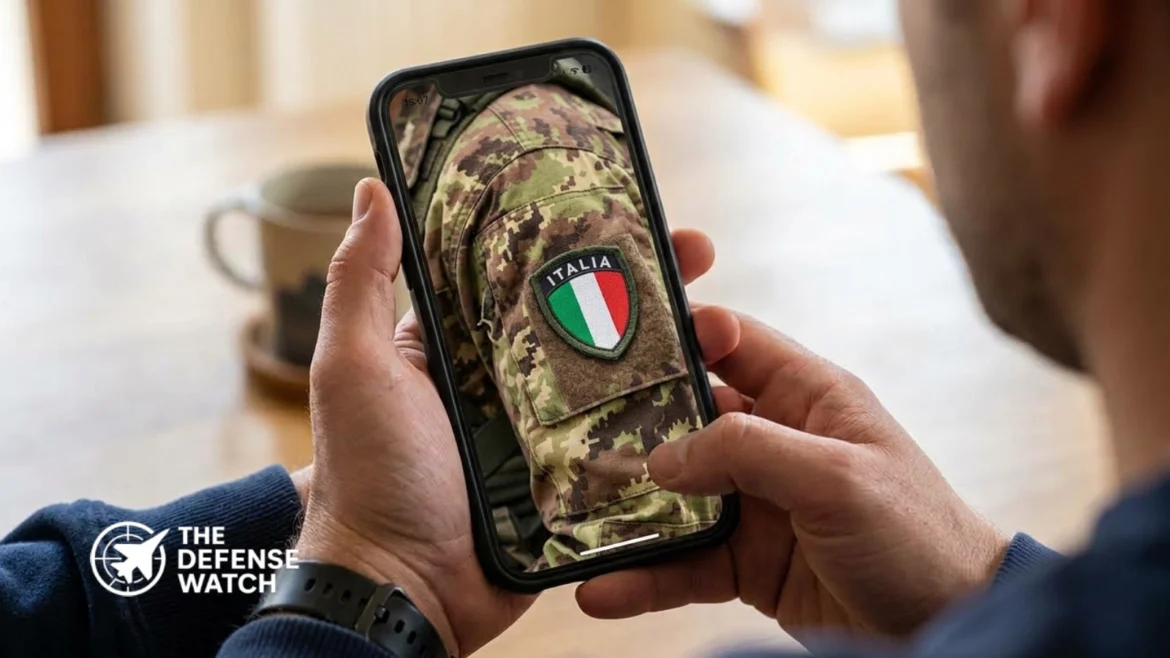
- Italy completed the withdrawal of its last military personnel from Iraq on September 29, ending a 12-year military presence that supported the fight against Islamic State and trained Iraqi and Kurdish security forces.
- Most Italian personnel had already left by March 2026 following a security incident at a military base in Iraq. Only teams responsible for recovering and transferring logistical equipment remained until the final withdrawal.
- The departure changes Italy’s role from direct military presence toward training, cooperation and capacity development. NATO Mission Iraq also continues, but its personnel were relocated from Baghdad to Allied Joint Force Command Naples in March 2026.
Italy completed the withdrawal of its last military personnel from Iraq on September 29, ending a 12-year deployment that included support for the U.S.-led Operation Inherent Resolve and NATO Mission Iraq. The Italian Defense Ministry said the final personnel were involved in recovering and transferring logistical equipment, with the withdrawal completed in coordination with Iraqi authorities and partner nations.
The move closes Italy’s military presence on Iraqi territory, but it does not end the country’s security relationship with Baghdad. Two Italian Carabinieri remain in Iraq under the European Union Advisory Mission in Iraq, or EUAM Iraq, while Italy says it intends to maintain cooperation through training, expertise exchange and capability development.
The timing is significant because the withdrawal comes as the international military architecture in Iraq is shifting. NATO Mission Iraq relocated its personnel from Baghdad to Allied Joint Force Command Naples in March 2026 because of the regional security environment, while the broader transition places greater responsibility for internal security on Iraqi institutions.
Italy’s Military Presence in Iraq Ends
Italy’s deployment was part of the international effort against Islamic State, commonly referred to as Daesh, and included both operational support and security-sector capacity building.
Reuters reported that Rome had already withdrawn most of its personnel by March 2026 after an overnight air strike targeted a military base in Iraq’s Kurdistan region. The final withdrawal therefore represented the completion of a process that had already substantially reduced Italy’s physical presence in the country.
Italy’s Defense Ministry described the September departure as the end of a 12-year commitment. Defense Minister Guido Crosetto said the change represents a phase in which Iraqi forces assume increasing responsibility for security while Italy shifts toward cooperation, training and development of Iraqi capabilities.
The distinction matters operationally. Ending a permanent or semi-permanent military footprint does not necessarily mean ending defense cooperation. Instead, the Italian model is moving from personnel deployed inside Iraq toward assistance that can increasingly be delivered through bilateral engagement and institutions outside the country.
From Operation Prima Parthica to Iraqi-Led Security
Italian forces operated under Operation Prima Parthica, Italy’s national contribution to the international effort against Islamic State.
Before the withdrawal, the mission included training for Iraqi security institutions and Kurdish security forces. Italian Defense Ministry material describes instruction covering areas including tactical planning, close-quarters battle, counter-improvised explosive device awareness, medical skills and other specialized capabilities.
That training component was important because the long-term objective of international involvement was not simply to maintain foreign combat power in Iraq. It was also to increase the ability of Iraqi institutions to conduct security operations with less dependence on external forces.
Italian Carabinieri also operated Mobile Training Teams supporting Iraqi Federal Police personnel. In October 2025, for example, Italian personnel completed a four-week training cycle for 200 members of the Federal Police, covering public-order and operational skills.
The Italian Defense Ministry has previously reported that its personnel trained tens of thousands of Iraqi and Kurdish security personnel over the course of the mission. Those figures are useful for measuring the scale of the capacity-building effort, although the number of personnel trained does not by itself establish how effectively those capabilities can be sustained without foreign trainers.
NATO Mission Iraq Continues From Naples
Italy’s withdrawal should not be interpreted as the end of NATO involvement in Iraq.
NATO Mission Iraq, or NMI, was created to strengthen Iraqi security institutions and forces so they can prevent the return of Islamic State, counter terrorism and contribute to national stability. Its mandate includes advising Iraqi defense and security officials as well as supporting professional military education and institutional development.
However, NATO changed its physical posture in March 2026. All NMI personnel previously operating from Baghdad were relocated to Allied Joint Force Command Naples in Italy in response to the regional security environment. NATO says the mission continues from Naples.
This creates an important distinction between military presence and military assistance.
| Area | Previous model | Current direction |
|---|---|---|
| Italian military presence | Personnel deployed inside Iraq | Physical military presence ended |
| NATO Mission Iraq | Personnel operated from Baghdad | Mission continues from Naples |
| Iraqi security responsibility | Supported by international advisers and trainers | Increasing responsibility assigned to Iraqi institutions |
| Italian-Iraqi cooperation | Training and deployed assistance | Training, expertise exchange and capability development |
| EU security engagement | Italian personnel included in wider international efforts | Two Italian Carabinieri remain under EUAM Iraq |
The transition reduces the number of foreign personnel physically exposed to security threats inside Iraq, but it also increases the importance of Iraqi institutions being able to sustain capabilities previously supported by international advisers.
What Changes for Iraq’s Security Forces?
The most important consequence of Italy’s withdrawal is therefore not the loss of a large combat formation. Italy’s role had increasingly emphasized training, advising and capacity building rather than an independent combat mission.
The more difficult question is whether those capabilities can be maintained after the trainers leave.
Training creates an initial capability. Institutional capacity requires something more: experienced leadership, logistics, maintenance, professional education, command structures and the ability to generate trained personnel without continuous external assistance.
NATO’s current mission reflects this institutional focus. Its areas of work include policy and strategy, force generation and development, resource management, leadership development and governance in the security sector.
That makes the transition from foreign training teams to Iraqi-led security a test of institutional durability rather than simply troop numbers.
The Security Environment Raises the Stakes
The withdrawal also occurs against a more complicated regional security backdrop.
NATO’s March 2026 decision to move its personnel out of Baghdad demonstrated that the security environment had become significant enough to require a change in the mission’s physical posture. Italy’s Defense Ministry subsequently confirmed that most Italian personnel had already returned home by March, leaving only recovery and logistics teams until the final withdrawal.
The immediate operational effect is a reduction in Italy’s ability to place military personnel directly alongside Iraqi or Kurdish counterparts. Any future requirement for Italian military assistance would therefore depend more heavily on diplomatic arrangements, training deployments, remote support or a decision to redeploy personnel.
At the same time, NATO’s continued operation from Naples preserves an institutional channel for security-sector engagement. The mission’s relocation means that advisory functions can continue without maintaining the same physical footprint in Baghdad.
Italy Retains a Limited Security Role
Italy’s withdrawal is not a complete disengagement from Iraq.
The Italian Defense Ministry said two Carabinieri remain in the country as part of EUAM Iraq, an EU mission authorized by the Iraqi government. Their continued presence provides a limited Italian security-sector connection even after the military contingent has departed.
Rome has also stated that the bilateral relationship will continue through cooperation, training, exchange of expertise and development of Iraqi defense capabilities. That approach allows Italy to retain a defense relationship with Baghdad without maintaining the previous military footprint.
Strategic Implications for the Coalition
Italy’s withdrawal is part of a wider transition in the international security architecture surrounding Iraq.
The central issue is whether foreign military assistance can evolve from direct deployment toward sustainable Iraqi-led institutions without creating gaps in intelligence, training, logistics or counterterrorism capabilities.
For Italy, the change reduces its direct exposure in Iraq while preserving avenues for defense cooperation. For NATO, the move to Naples places greater emphasis on institutional advising rather than an in-country military presence. For Baghdad, the transition increases the importance of maintaining security capabilities that were developed with international assistance.
The outcome will depend less on the number of foreign troops remaining in Iraq than on the ability of Iraqi institutions to independently sustain the capabilities built during more than a decade of international engagement.
What Comes Next
Italy’s withdrawal closes one chapter of its Iraq deployment, but it does not represent the end of Italian defense engagement with Baghdad.
The immediate model is likely to emphasize bilateral cooperation, training and capability development, alongside continued EU and NATO engagement from outside Iraq. The Italian Defense Ministry has explicitly described the next phase as one with less military presence on the ground and greater emphasis on cooperation and capability development.
For NATO, the continuation of NMI from Naples preserves an advisory mechanism even after the relocation of its personnel from Baghdad. The longer-term measure of success will be whether Iraqi security institutions can sustain the functions that international partners have spent years helping them build.
Italy’s final departure therefore marks more than the end of a 12-year deployment. It is a practical test of whether Iraq’s security architecture can transition from externally supported capacity building to increasingly self-sustaining national responsibility.