

Marines Select GA-ASI YFQ-42A For MUX TACAIR Collaborative Combat Aircraft Evaluation
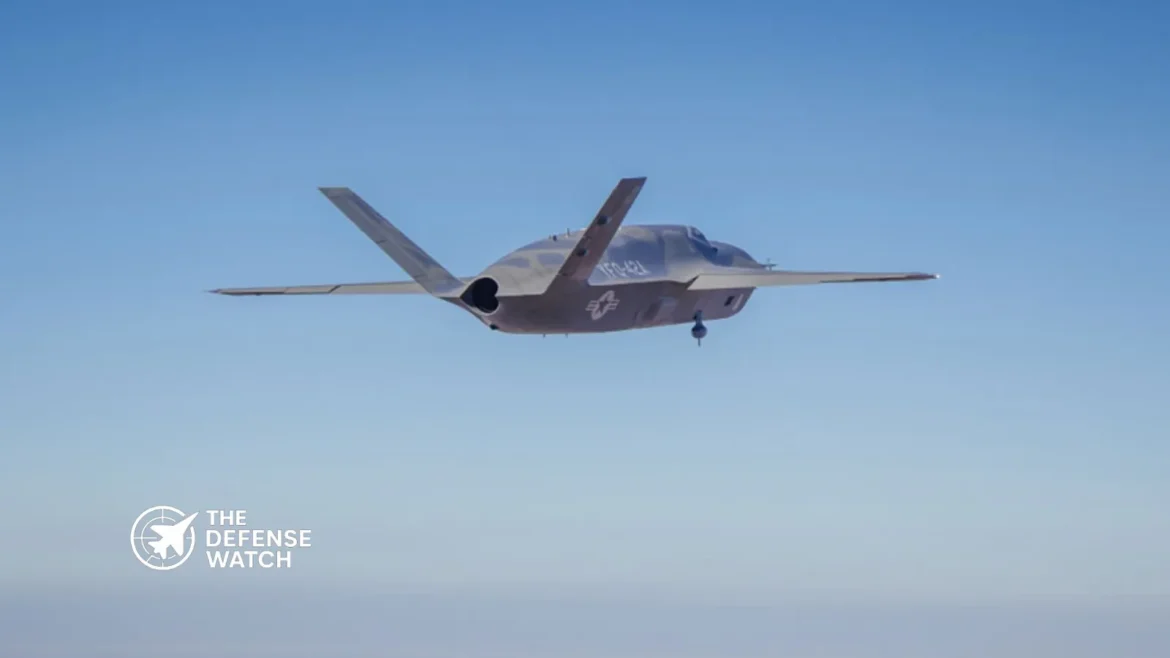
The U.S. Marine Corps has selected General Atomics Aeronautical Systems’ YFQ-42A platform for evaluation under its Marine Air-Ground Task Force Uncrewed Expeditionary Tactical Aircraft (MUX TACAIR) Collaborative Combat Aircraft (CCA) program, marking a key step in testing uncrewed combat aircraft working with crewed fighters.
USMC Moves Forward With Uncrewed Aircraft Evaluation
Under the contract, GA-ASI will integrate a Marine Corps mission kit, supplied by the government, onto its YFQ-42A uncrewed aircraft to serve as a surrogate testbed. The work focuses on assessing how autonomous aircraft equipped with advanced sensor and mission systems operate within Marine Air-Ground Task Force (MAGTF) expeditionary operations and alongside manned fighters.
The Marine Corps contract calls for rapid development of autonomy for the government-provided mission kit. That suite is expected to include software-defined systems and sensors capable of delivering both kinetic and non-kinetic effects. Evaluations will feed into future MUX TACAIR capability decisions.
Platform Background and Integration Goals
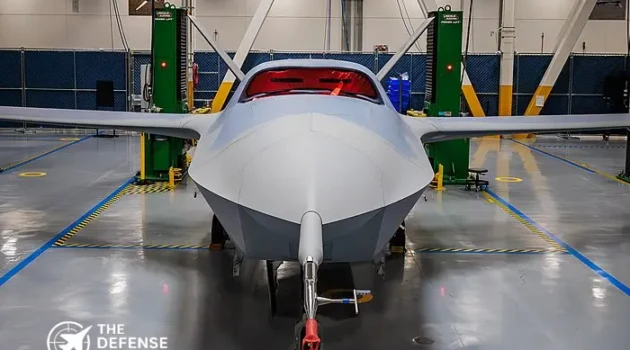
The YFQ-42A was first flown in August 2025 during testing under the U.S. Air Force’s Collaborative Combat Aircraft program, where it was chosen in 2024 to build production-representative flight test articles. Its design follows a modular “genus/species” concept that lets a common airframe integrate different mission systems rapidly.
GA-ASI brings its autonomy and uncrewed aircraft systems experience to the USMC effort. The company says its autonomy architecture, backed by multiple live flight tests, will help form the foundation for human-machine teaming in complex contested environments.
Mike Atwood, vice president of advanced programs for GA-ASI, noted that the company’s autonomous systems in service today and its integration expertise position the firm to provide an affordable CCA test solution that enhances Marine Air-Ground Task Force effectiveness.
Broader MUX TACAIR Context
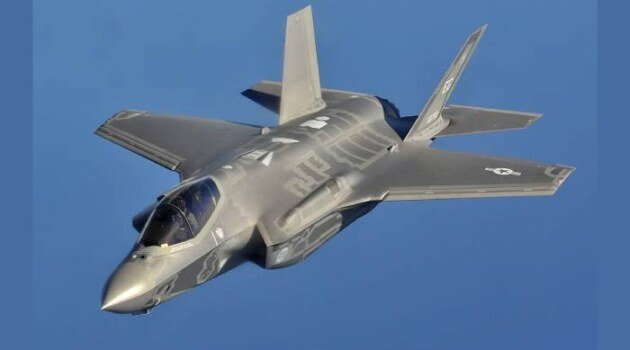
The Marine Corps launched the MUX TACAIR program to explore how uncrewed aircraft can support and complement crewed tactical aviation, including integration with F-35s and other fighters. The effort aligns with wider Department of the Air Force CCA initiatives that emphasize crewed-uncrewed teaming to extend sensor reach and mission flexibility in contested airspace.
Northrop Grumman and Kratos also received awards related to the MUX TACAIR effort, with a team focusing on an XQ-58 Valkyrie-based platform to integrate Marine-specific systems.
What Comes Next
Over the coming months, the Marine Corps and GA-ASI will work on mission kit integration and autonomy development, with evaluation flights and testing planned as part of MAGTF operational experimentation. Insights from this phase will help inform future CCA acquisition and operational plans for Marine aviation.
General Atomics MQ-20 Avenger Unmanned Jet Completes First Live Autonomous Air-to-Air Intercept Test
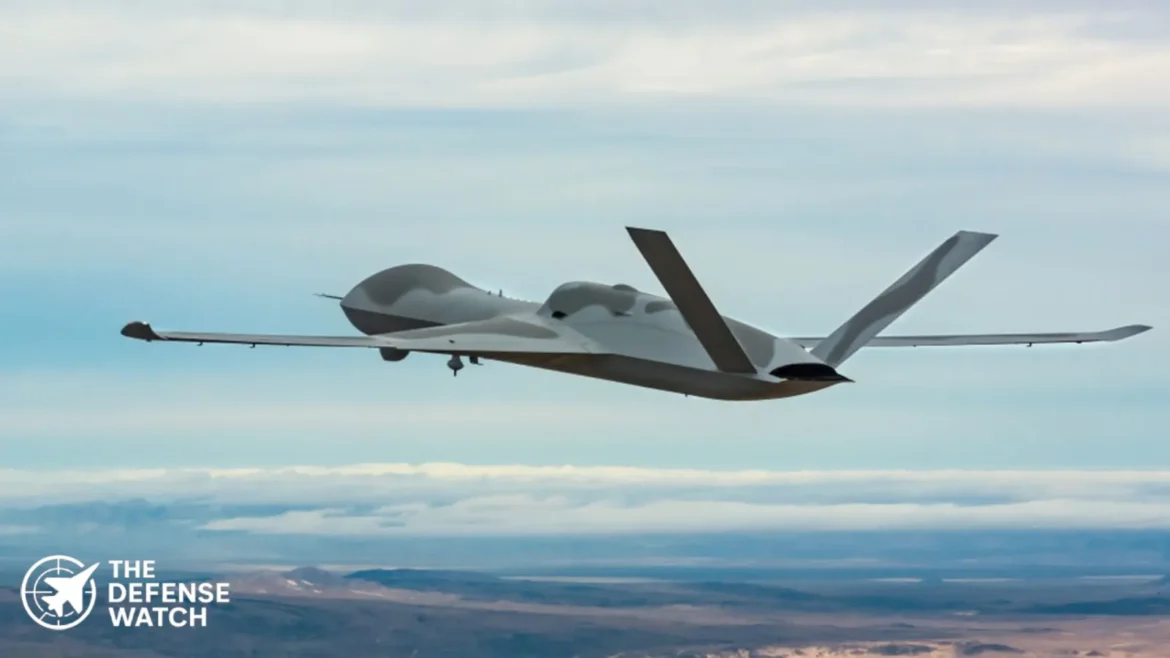
General Atomics’ MQ-20 Avenger unmanned aircraft completed its first live autonomous air-to-air intercept test, using onboard autonomy and sensors to detect, track, and close with a piloted aggressor aircraft with minimal human control, company officials said.
General Atomics Aeronautical Systems, Inc reported that on January 18 from San Diego its MQ-20 Avenger conducted a mission autonomy flight that included an autonomous aerial engagement against a crewed aggressor aircraft. The effort marks a significant milestone in unmanned combat air vehicle development and could influence how future collaborative combat aircraft operate.
Mission Overview
During the test the MQ-20 Avenger flew a mission profile uploaded via a human-machine interface before switching to autonomous control in flight. Once under autonomy, the system respected predefined keep-in and keep-out airspace zones and executed mission tasks without real-time human intervention.
A key part of the demonstration was the use of a live Infrared Search and Track sensor supplied by Anduril to passively detect and range the piloted target aircraft. Based on that data, the onboard autonomy established a track, calculated an intercept solution, and executed a simulated weapons engagement. Company statements said that had live munitions been carried the virtual shot would likely have been lethal.
Technical Context
The MQ-20 Avenger is a large, turbofan-powered unmanned combat aerial vehicle intended as a higher-speed, lower-signature evolution of the MQ-9 Reaper family. With an internal weapons bay and external hardpoints for sensors and payloads, the Avenger is designed for long-range ISR and strike missions, with endurance exceeding 20 hours.
In recent years GA-ASI has used the Avenger as a testbed for autonomy development under government reference software, including participation in the Air Force Test Center’s Orange Flag series. It has also collaborated with autonomy developers such as Shield AI to explore AI-enabled mission control across live and simulated environments.
Defense and Industry Impact
This test underscores the growing maturity of mission autonomy for unmanned combat aircraft and reflects broader U.S. defense interest in collaborative autonomous platforms that can operate alongside crewed fighters. Respect for geofencing constraints while executing an intercept demonstrates how autonomy can manage complex airspace rules and tactical objectives concurrently.
Industry observers see such demonstrations as steps toward reducing operator workload and enabling a single crew to oversee multiple autonomous systems. As autonomy systems continue to evolve, open, government-defined reference architectures may help ensure interoperability across platforms and software providers.