Executive Summary:
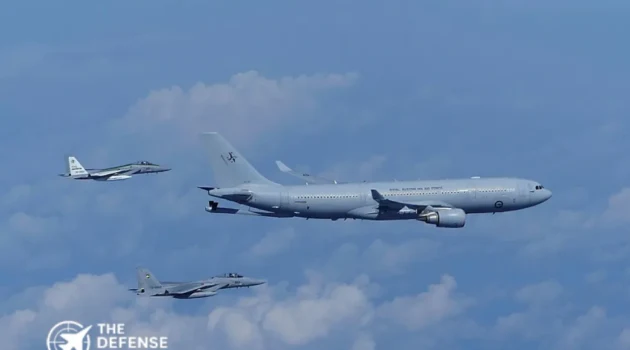
A Multinational Multi Role Tanker Transport (MRTT) aircraft has successfully refueled a Royal Australian Air Force KC-30A for the first time. The achievement demonstrates growing interoperability among allied air forces and strengthens multinational aerial refueling capabilities that support global military operations.
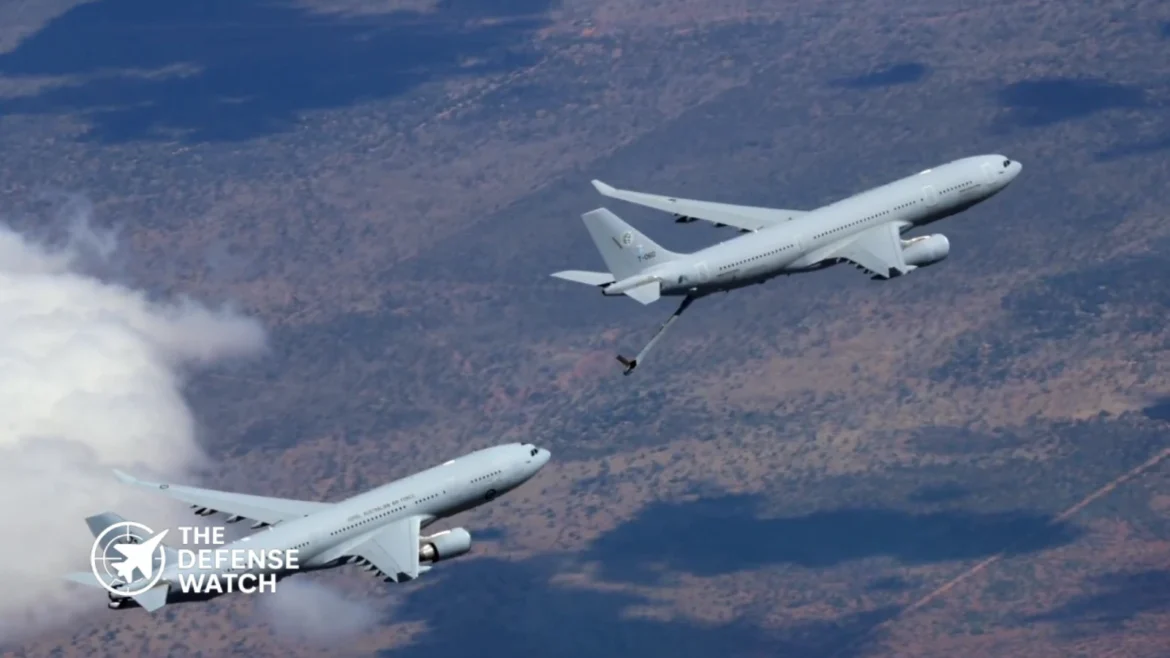
The Multinational MRTT aircraft has completed its first successful air to air refueling of a Royal Australian Air Force (RAAF) KC-30A, marking a significant milestone in multinational military aviation cooperation. The event demonstrates increasing interoperability between allied air forces and highlights the growing maturity of shared aerial refueling capabilities.
The successful mission represents another step toward integrating tanker fleets operated by NATO partners and close allies, allowing aircraft from different nations to support one another during training, exercises, humanitarian missions, and operational deployments.
First Of Its Kind Refueling Operation
During the mission, the Multinational MRTT aircraft transferred fuel to an Australian KC-30A while both aircraft remained airborne. Although tanker aircraft routinely refuel combat aircraft and transport platforms, tanker to tanker refueling between multinational fleets requires extensive certification, standardized procedures, and close coordination between participating air forces.
The achievement confirms that compatible systems, operational procedures, and crew training now enable this capability between the multinational MRTT fleet and Australia’s KC-30A.
Air to air refueling remains one of the most important force multipliers for modern militaries because it extends aircraft endurance, increases operational range, and reduces reliance on forward operating bases.
Why The Milestone Matters
While the event may appear routine, its operational significance is considerable.
Modern military operations increasingly rely on multinational coalitions rather than single nation deployments. Shared tanker fleets allow participating nations to maximize aircraft availability while reducing operating costs and improving logistics.
The successful refueling of an Australian tanker by another allied tanker demonstrates that partner nations can support each other’s aerial refueling networks without requiring national assets to operate independently.
This flexibility becomes particularly valuable during large multinational exercises, disaster response missions, and long distance deployments across the Indo Pacific, Europe, and the Middle East.
Growing Multinational MRTT Capability
The Multinational MRTT Fleet was established to provide participating nations with shared aerial refueling and strategic airlift capabilities through a pooled fleet rather than maintaining separate national tanker forces.
The fleet is based on the Airbus A330 MRTT, one of the world’s most capable aerial refueling aircraft. Besides air to air refueling, the aircraft can transport troops, cargo, and medical evacuation patients during military and humanitarian missions.
Participating nations share aircraft availability according to previously allocated flying hours, improving efficiency while lowering overall ownership costs.
Australia’s KC-30A is also based on the Airbus A330 MRTT platform, making the successful interoperability demonstration an important validation of multinational operating standards.
Operational Benefits For Allied Air Forces
The first successful refueling between these two tanker fleets provides several operational advantages.
Aircraft from participating nations can now conduct longer ferry flights with greater flexibility.
Coalition commanders gain additional options for sustaining air operations during multinational missions.
Shared aerial refueling networks reduce pressure on individual national tanker fleets during periods of high operational demand.
The milestone also strengthens readiness for future NATO exercises and Indo Pacific coalition activities where interoperability between allied aircraft is increasingly important.
From an operational perspective, tanker interoperability increases resilience by allowing one nation’s aircraft to support another without requiring dedicated national refueling assets in every theater.
Broader Strategic Significance
The achievement reflects a broader trend toward multinational defense cooperation as allied nations seek to improve readiness while controlling costs.
Shared capabilities such as the Multinational MRTT Fleet enable participating countries to pool resources without sacrificing operational effectiveness.
As military operations become more multinational, standardized aerial refueling procedures are becoming increasingly important for sustaining combat aircraft, surveillance platforms, strategic airlifters, and tanker fleets operating across multiple regions.
The successful refueling of the RAAF KC-30A illustrates how technical compatibility and common operational standards can translate into greater flexibility during real world operations.
Rather than representing a single demonstration flight, the event highlights the continued evolution of coalition air mobility capabilities that support collective defense, humanitarian assistance, and rapid global response missions.
Strengthening Coalition Air Mobility
The successful refueling mission reinforces the importance of multinational cooperation in modern air operations. As allied air forces continue expanding interoperability through common procedures, shared aircraft platforms, and integrated training, aerial refueling networks become more flexible and resilient.
For participating nations, the milestone demonstrates that multinational tanker fleets can provide practical operational benefits while improving readiness for future coalition missions across multiple theaters.